
Alicia Hauff Studio
Mixed Media Fine Artist in Fargo, ND
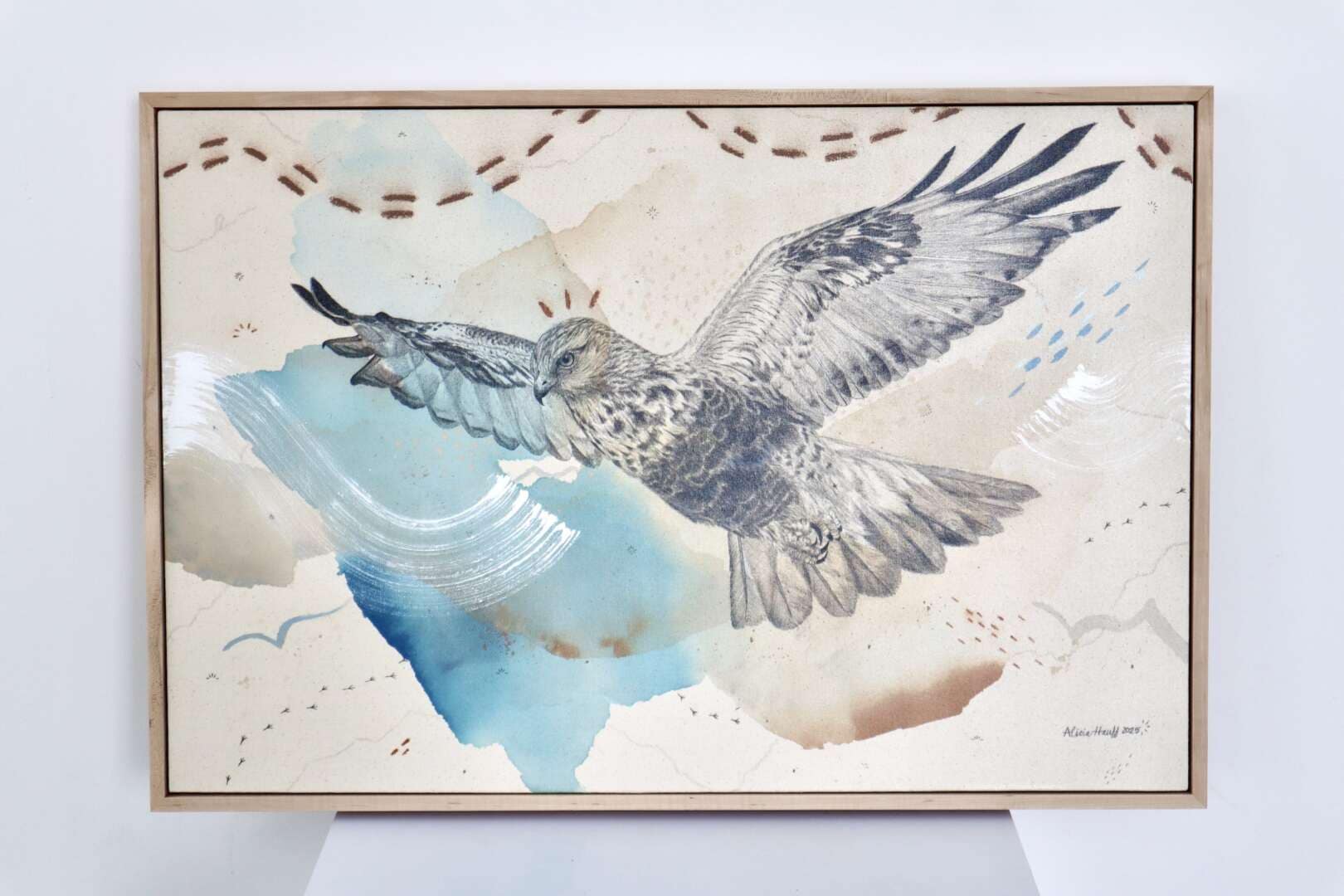
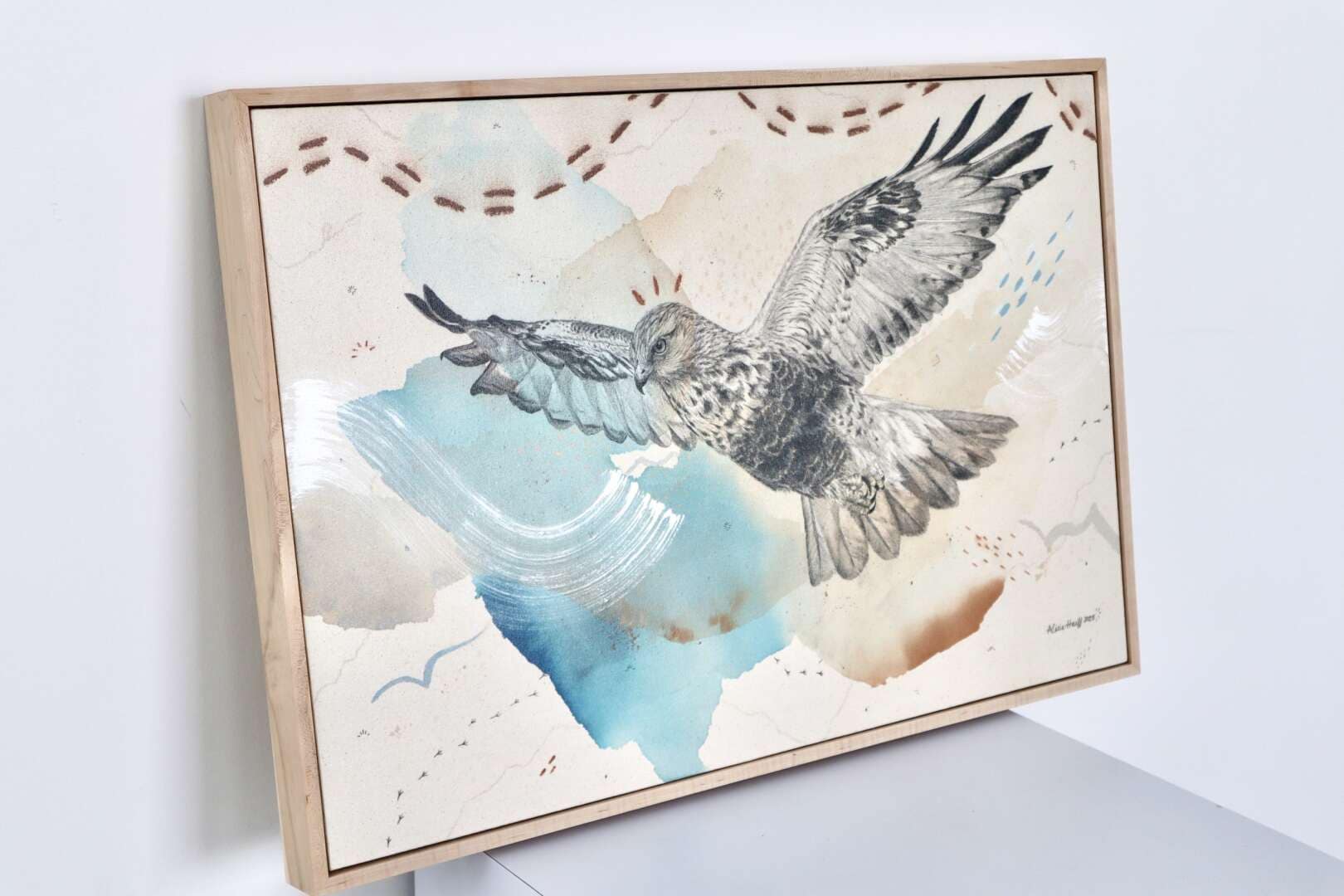
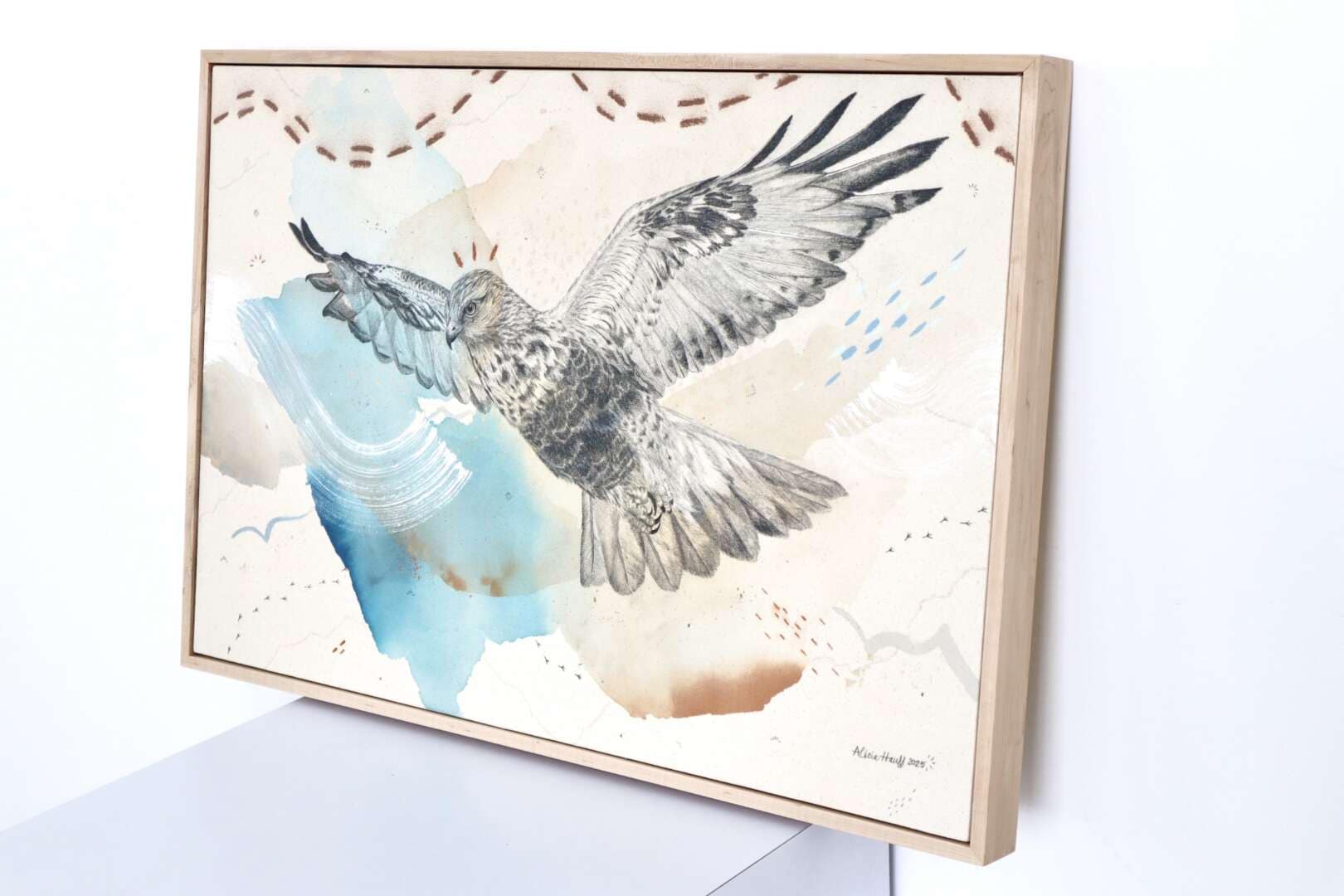
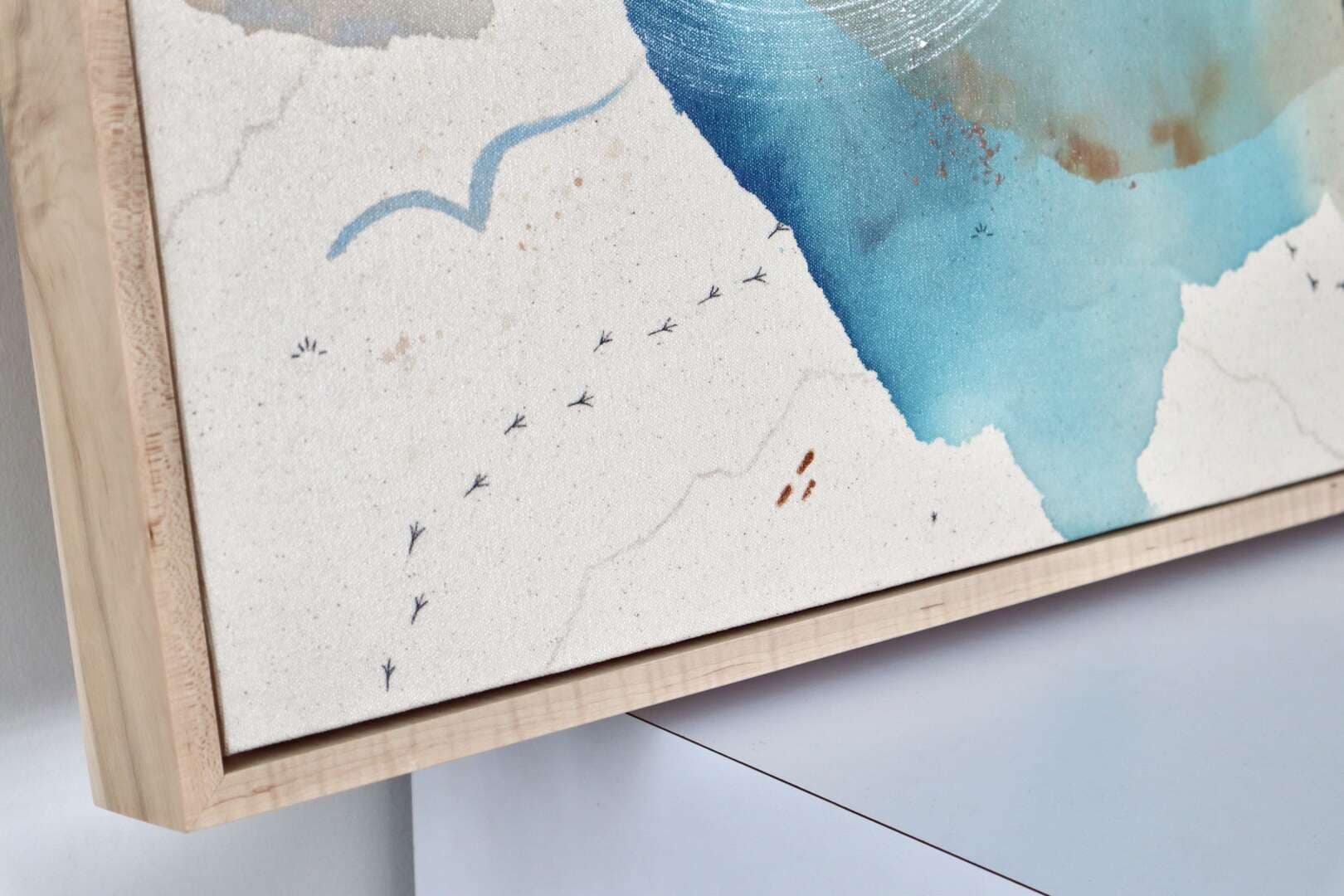
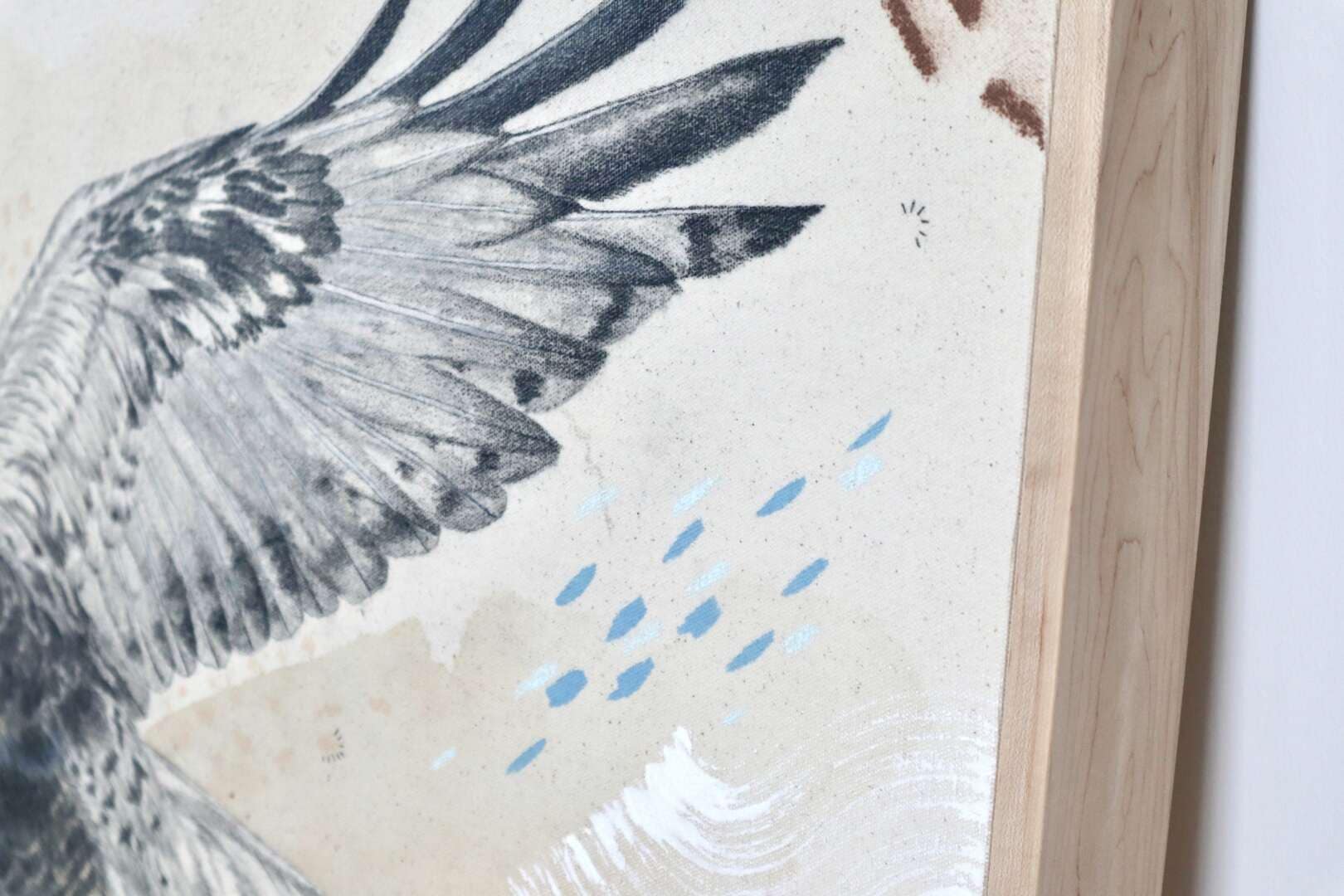
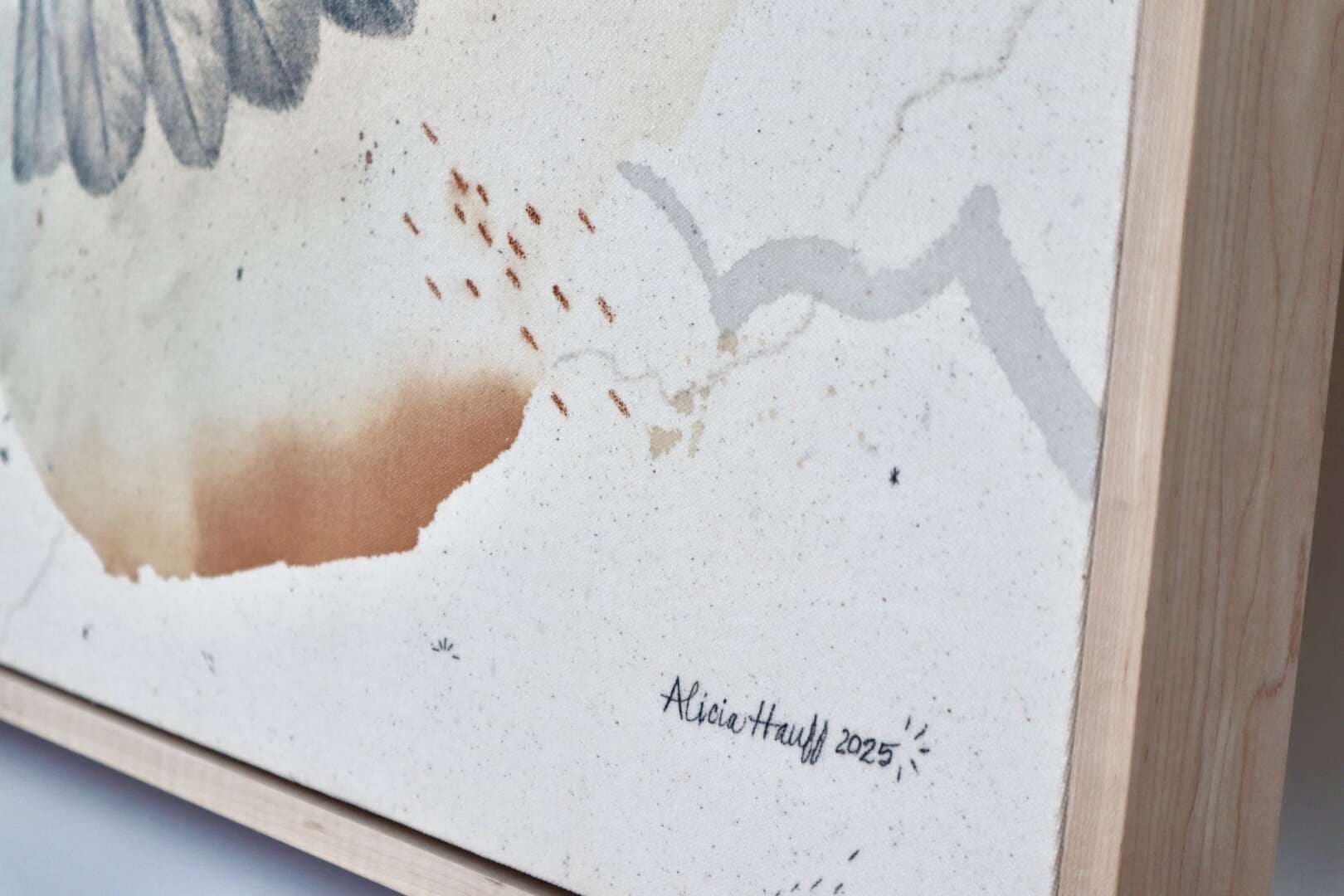
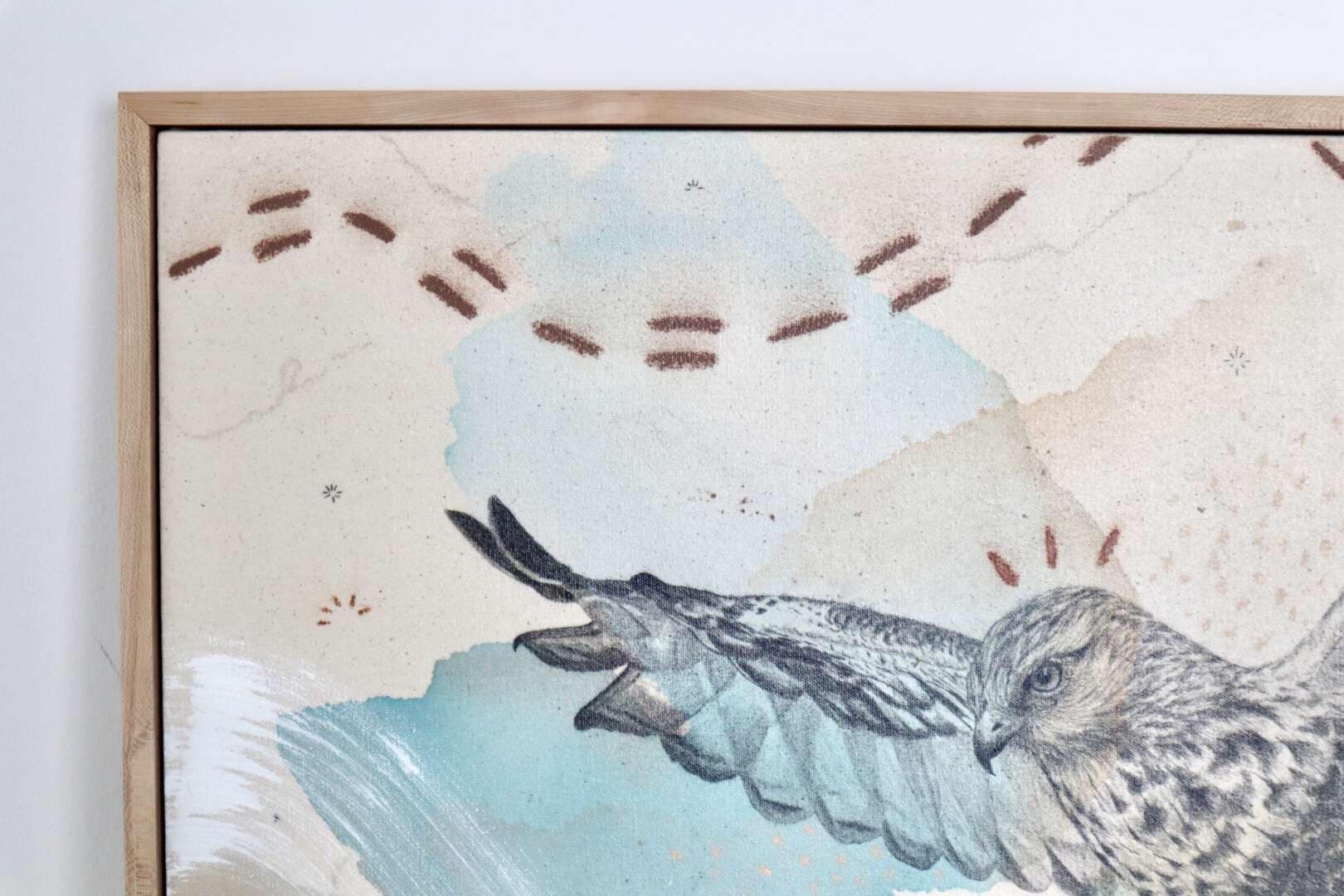
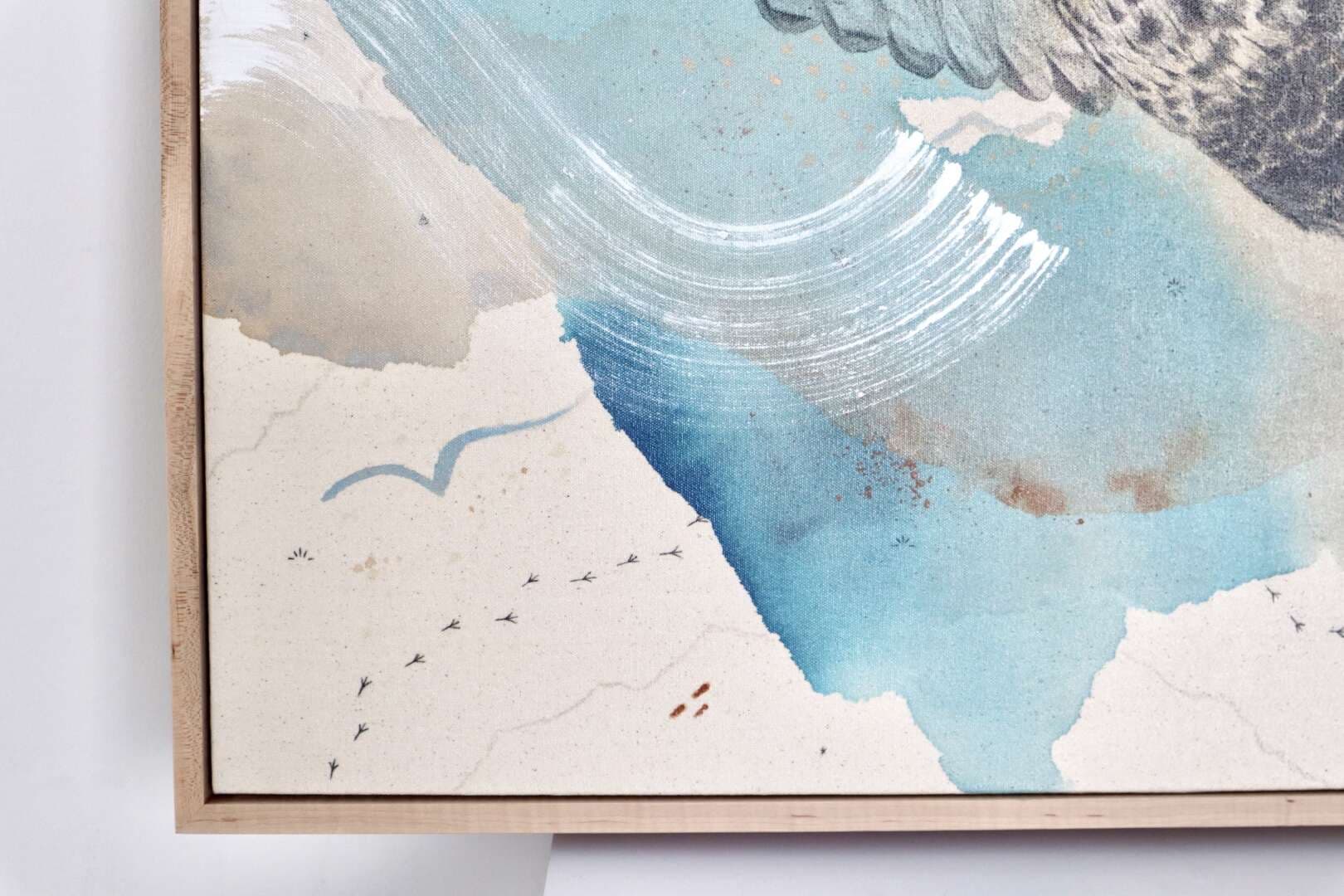
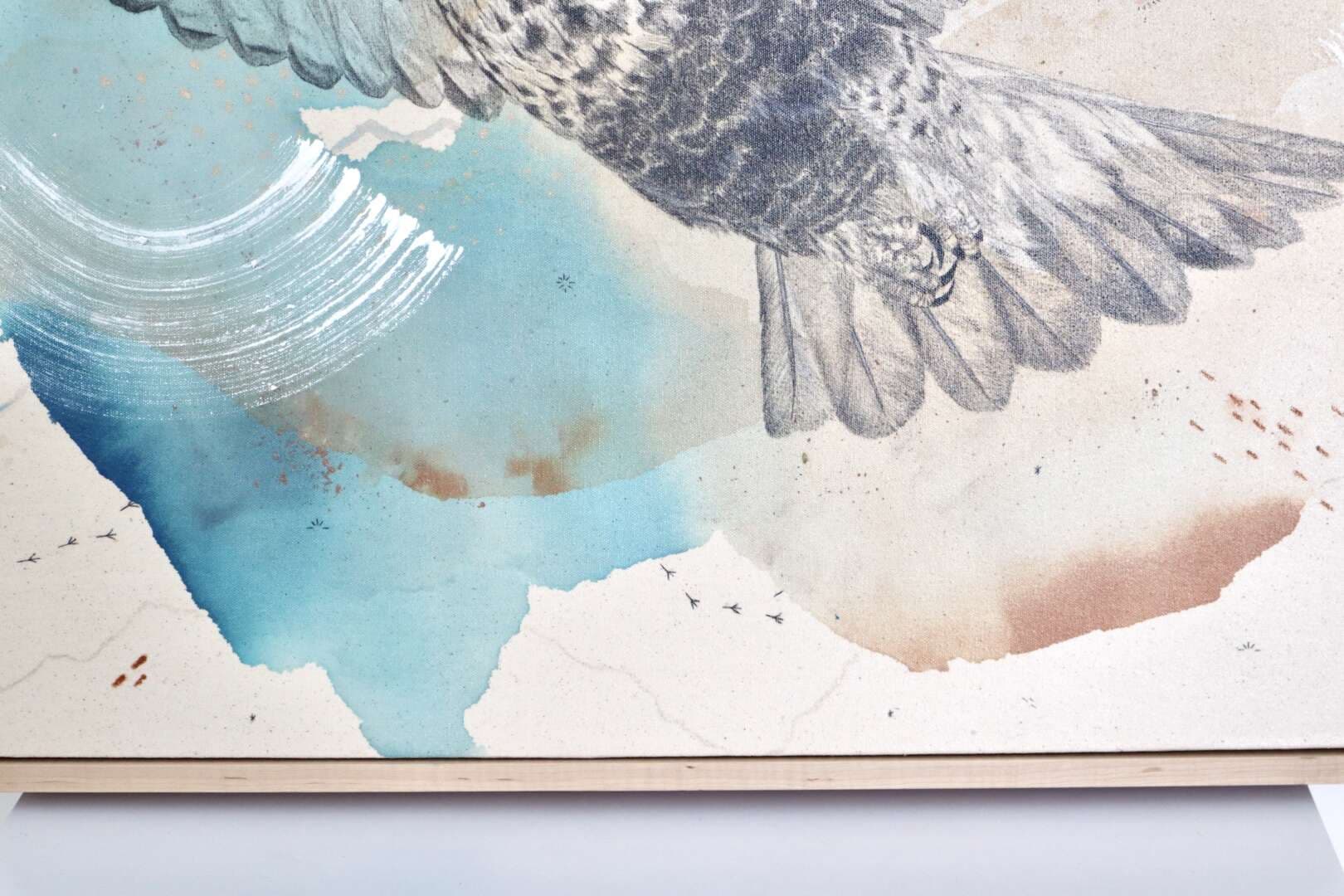
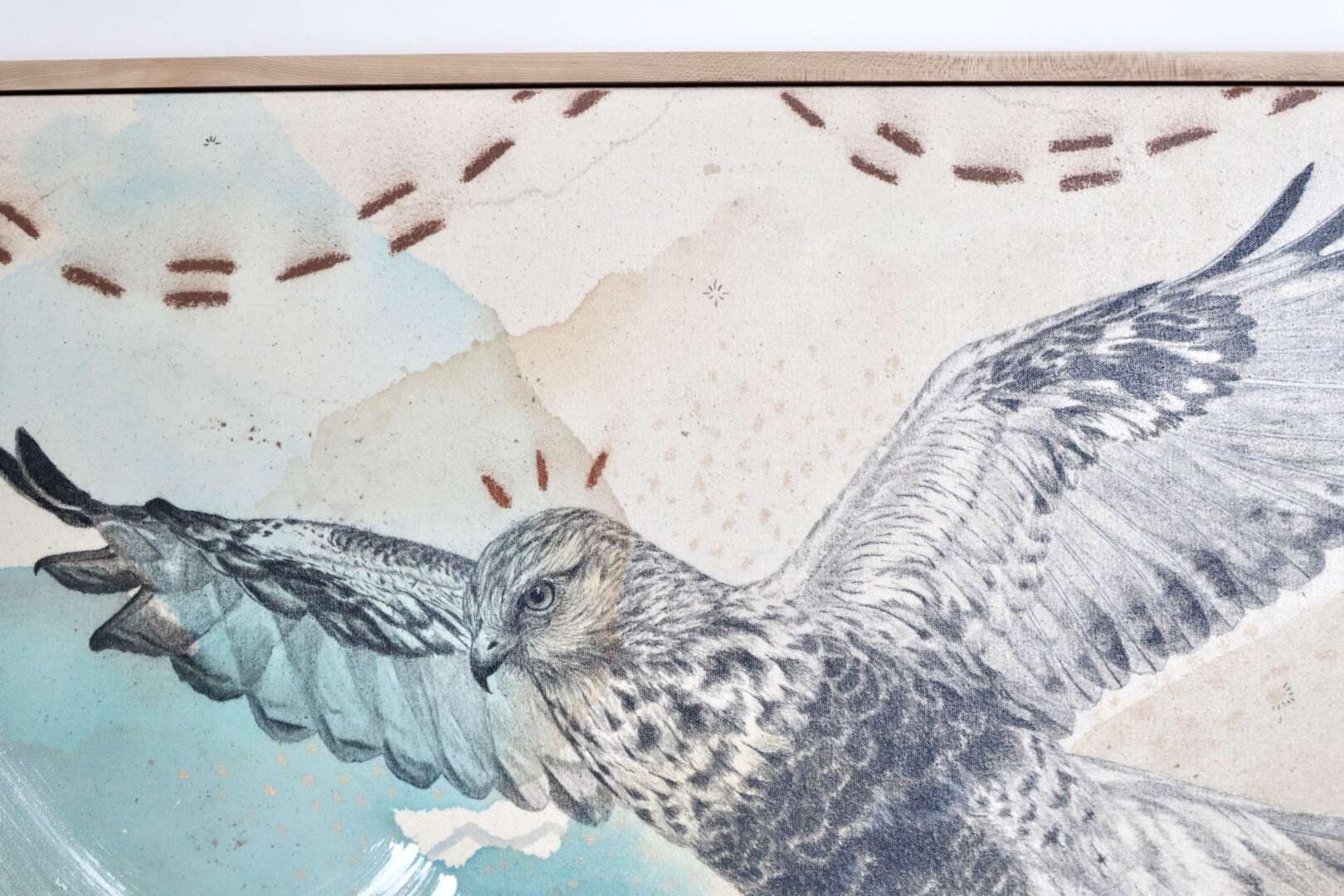
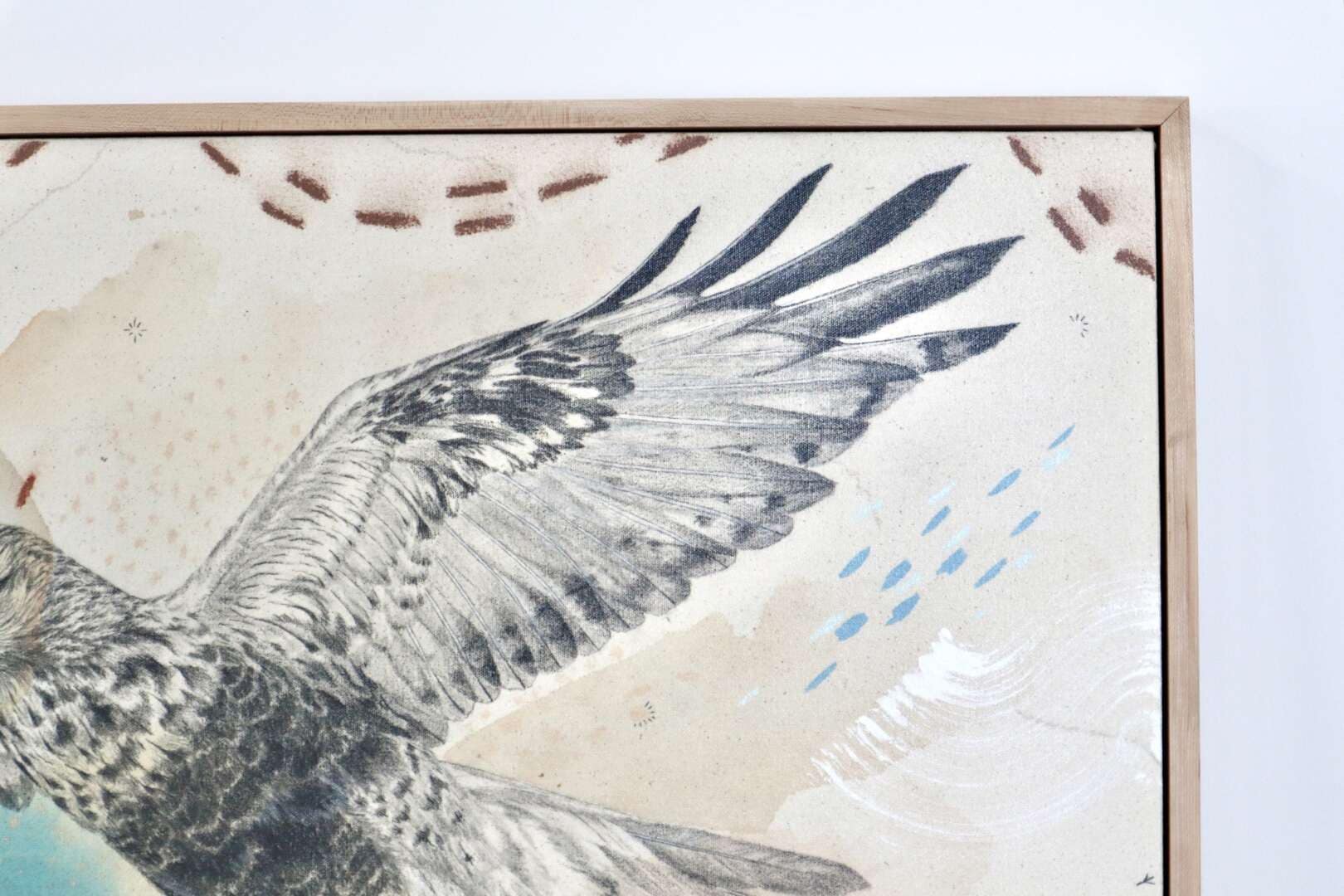
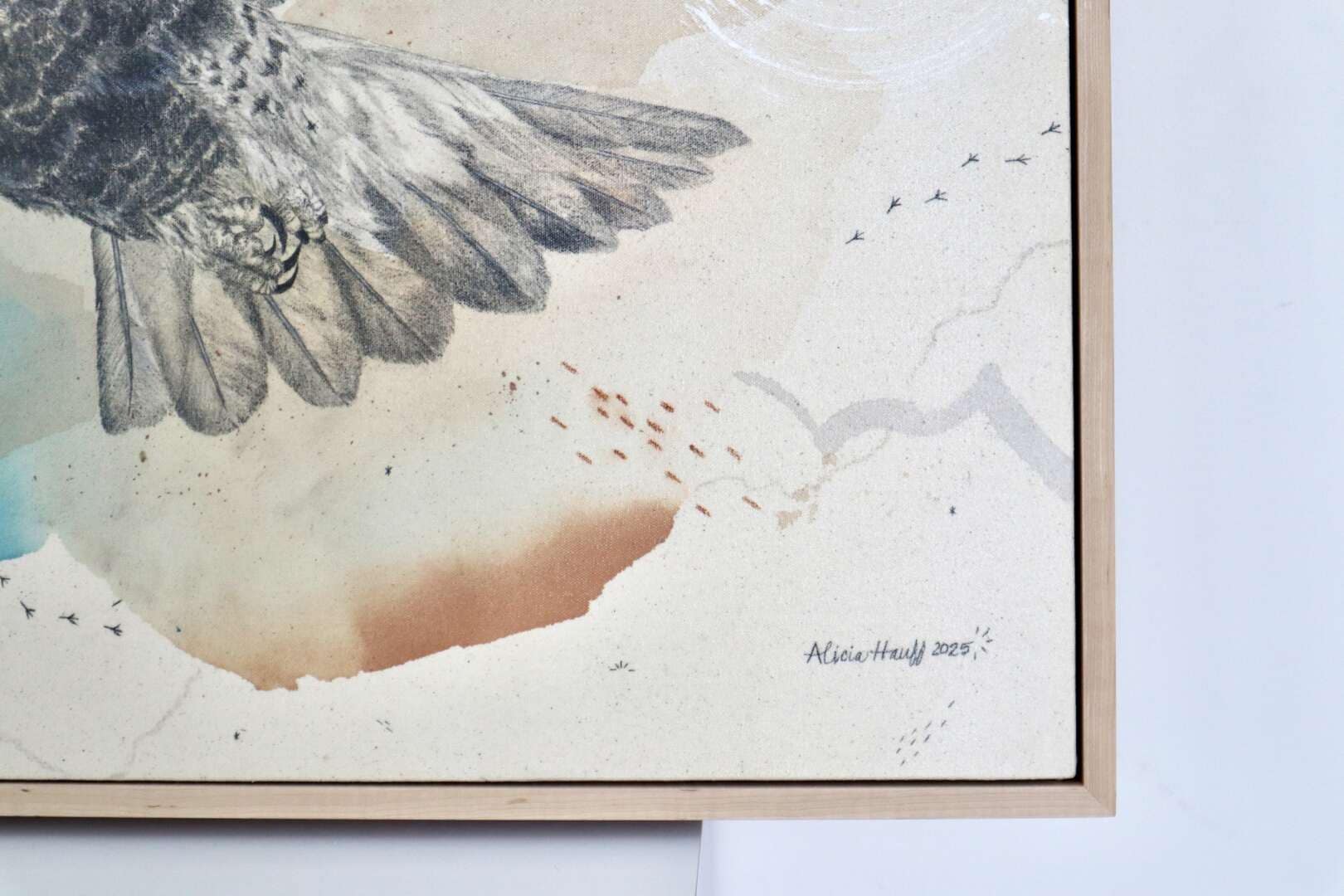
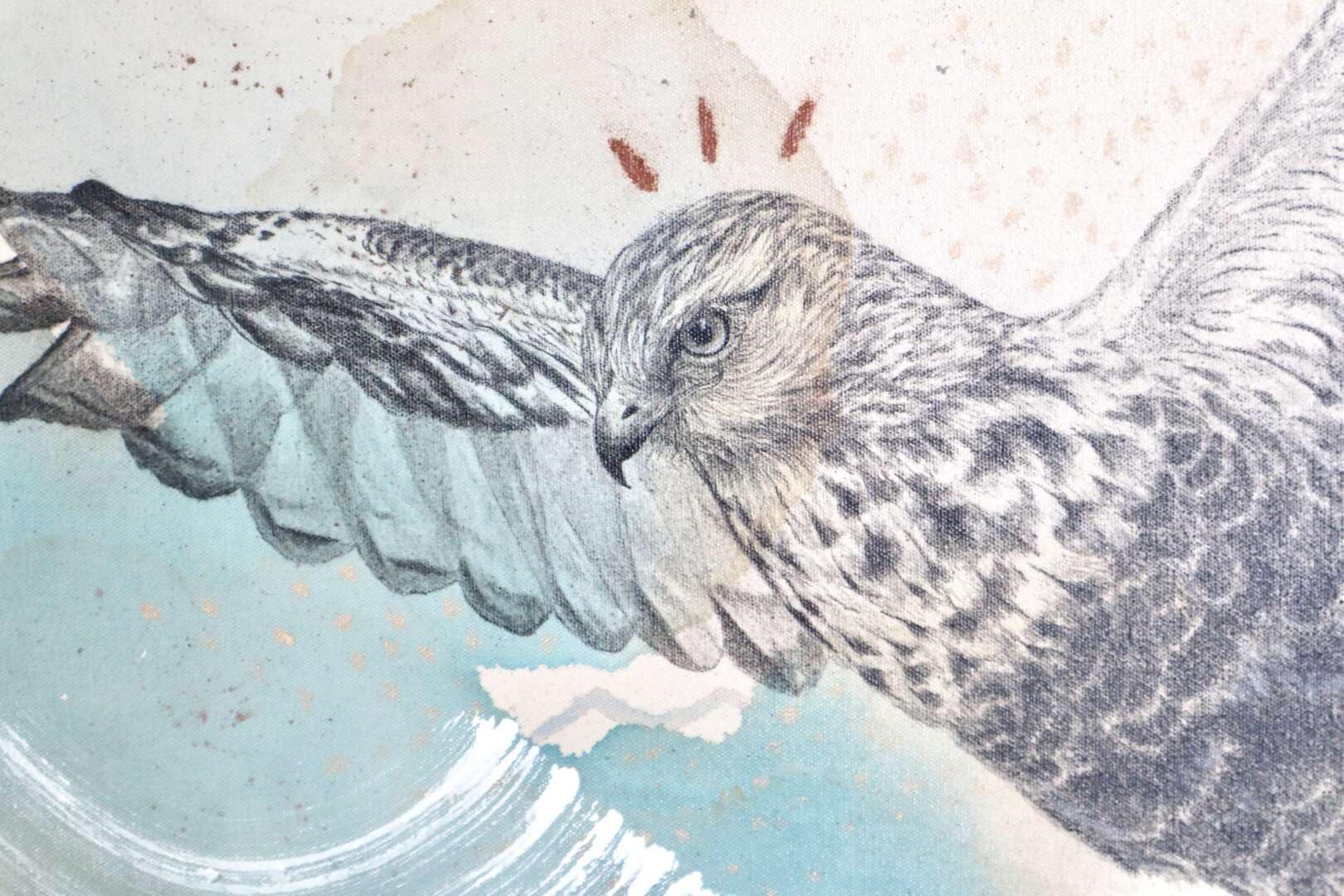
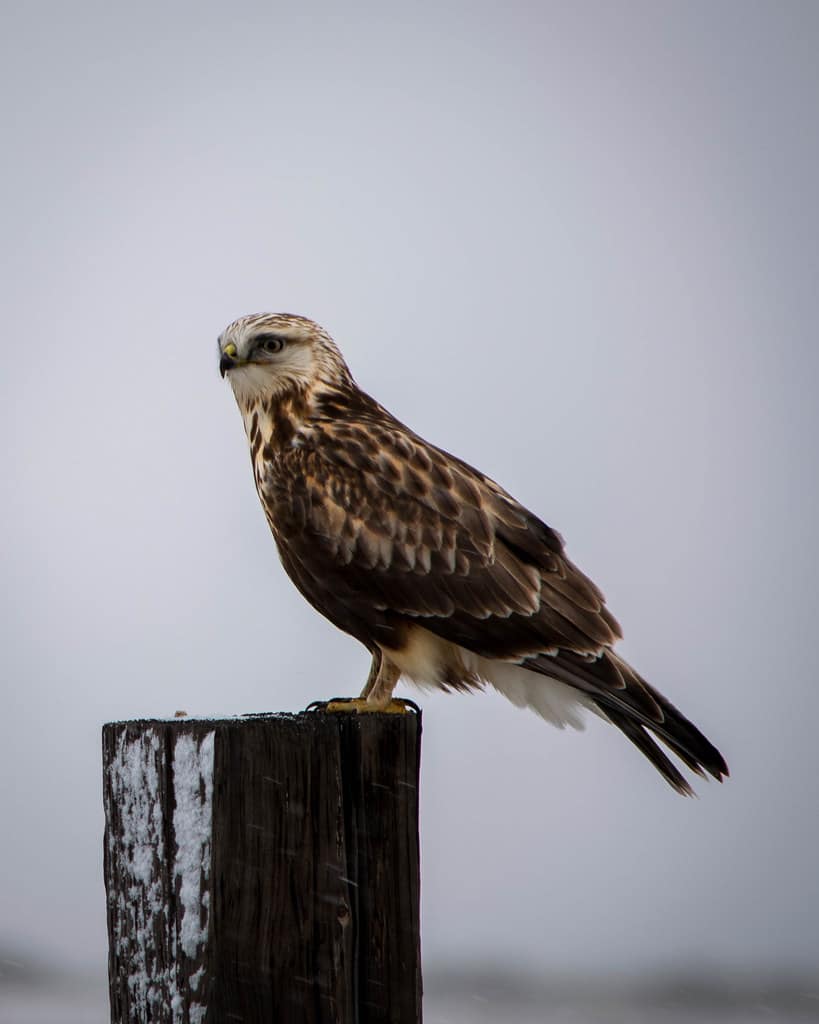
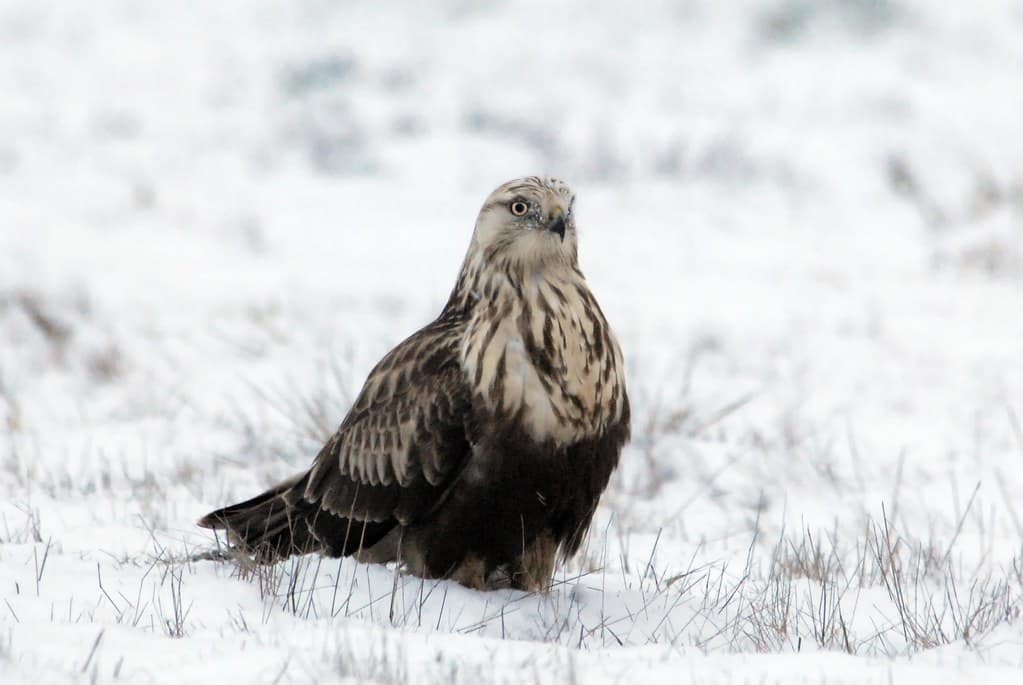
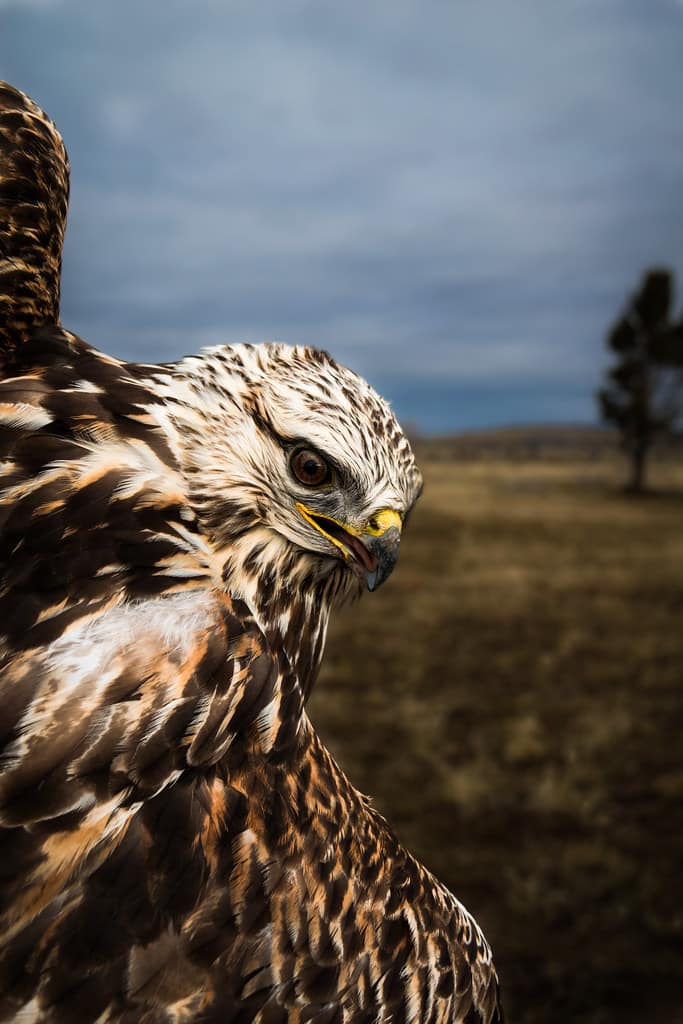
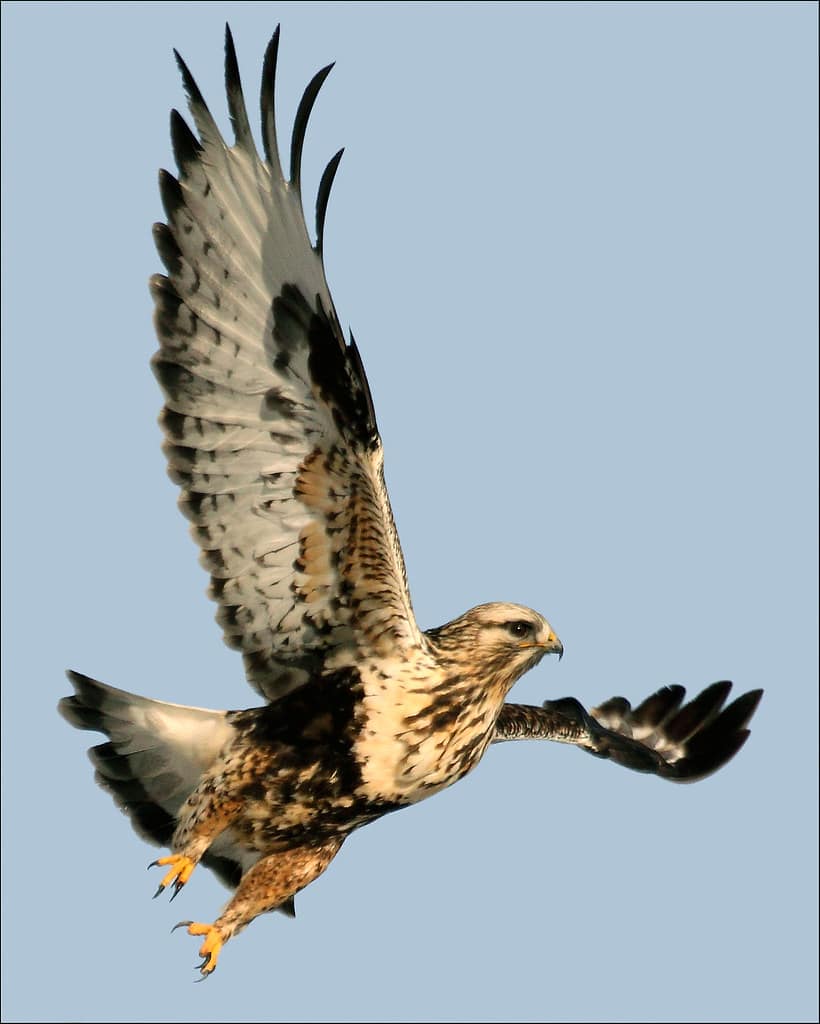
“Rough Legged Hawk, Guardian of the North”
$1,556.00
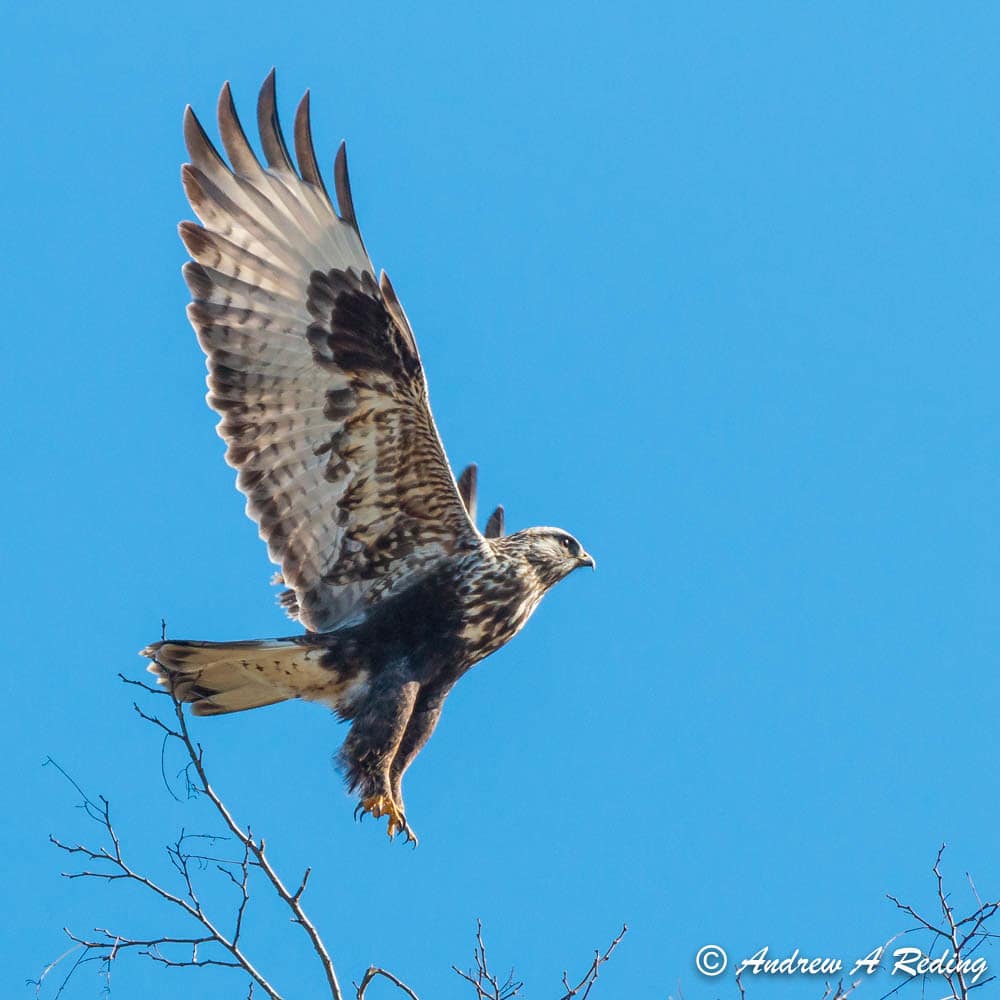
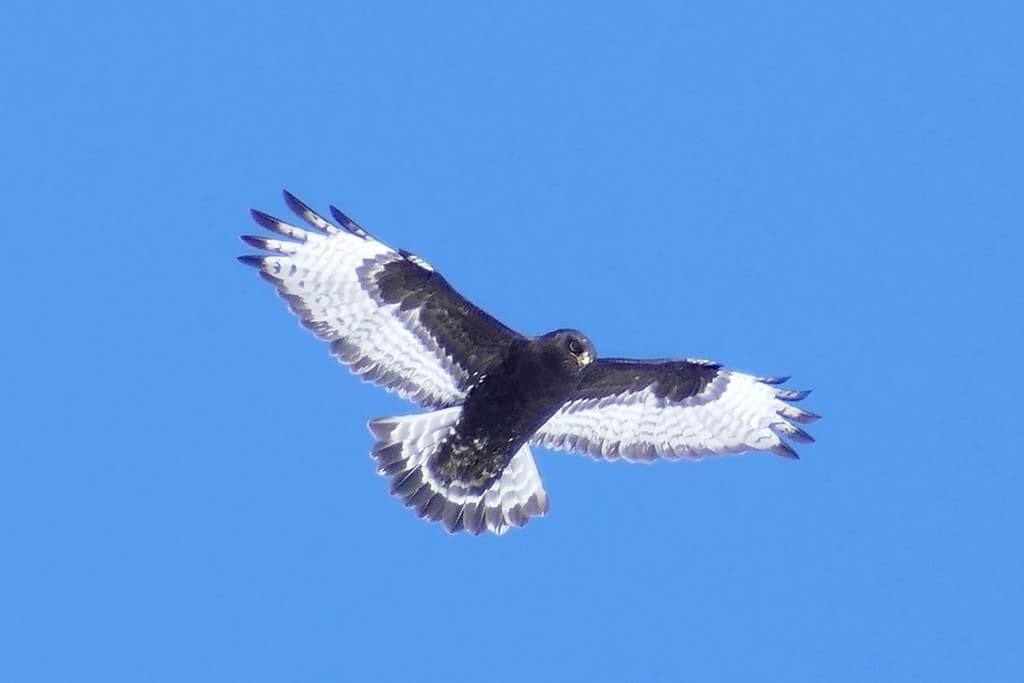
We’re traveling back to the Arctic to meet this bird: the Rough-Legged Hawk. His legs aren’t “rough,” they’re just feathered all the way down to his toes, like the Ferruginous Hawk–and he needs the warmth up in the Arctic. A ‘rough-legged summer’ is hunting lemmings and tending to a cliffside nest where the sun never sets, a similar lifestyle to the Snowy owls. Winter is the time to see this large, open-country hawk in southern Canada and the U.S., where it may be perched on a pole or hovering over a marsh or pasture on the hunt for small rodents. Found globally across northern latitudes, this species occurs in both light and dark morphs. Rough-legged Hawks perch on fence posts and utility poles, as well as on the ground or on the slenderest treetops, where other large raptors rarely chance sitting. Watch for them on winter road trips, as their bold tail and underwing pattern, as well as black belly patches, can often be clearly seen—even at highway speeds.
Hawks are often viewed as messengers, bringing insight, strength, and focus. They can be symbols of courage, power, and hunting prowess, and are sometimes seen as guardian spirits or spirit guides.
Fast facts:
- Nonbreeding adults eat about a quarter-pound of food daily, or a tenth of their body mass – that’s about 5 small mammals. Nestlings start feeding themselves (swallowing lemmings whole) at about 16 days old. It’s estimated that a brood of 2 nestlings requires 26 pounds of food during the 40 days between hatching and fledging. You need a lot of calories to survive the frigid temps.
- On their arctic breeding grounds, they eat mostly small rodents such as lemmings and voles, along with some medium-sized mammals—arctic ground squirrels, young hares, pocket gophers—and birds such as ptarmigan and Lapland Longspurs. On their wintering grounds, they eat mostly voles, mice, and shrews.
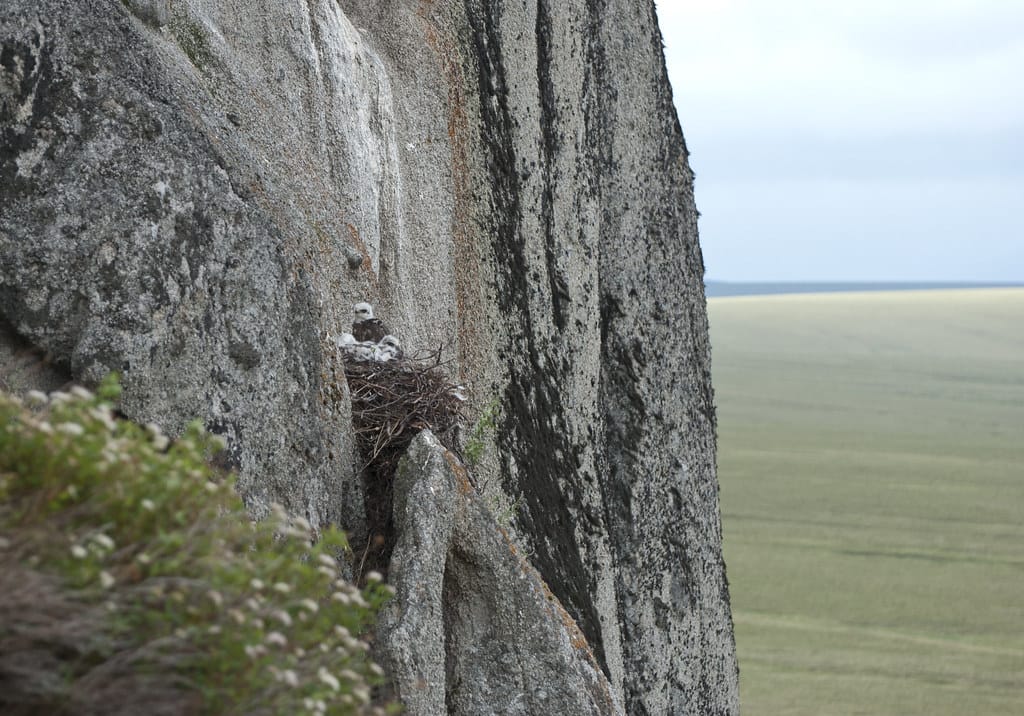
- The Rough-legged Hawk’s cliffside nest, a bulky mass of sticks, sometimes contains caribou bones. Nesting pairs need a lot of space: usually only a single pair will nest on a quarter-mile-long cliff. However, the pair may nest within 100 feet of Gyrfalcons, Peregrine Falcons, or Common Ravens–but not other Rough Legged Hawks.
- Even though they breed under continuous sunlight in the Arctic, Rough-legged Hawks do take a break between about 11 p.m. and 5 a.m., with less activity and vocalizing.
- Rough-legged Hawks have been shown to hunt more in areas experimentally treated with vole urine than in control areas. They may be able to see this waste (as American Kestrels can), which is visible in ultraviolet light, in order to find patches of abundant prey. The first Rough Legged Hawk I saw was hovering over a golf course in south Fargo, where I know voles and small rodents are abundant!
Sources: Audubon Society and Cornell Lab of Ornithology
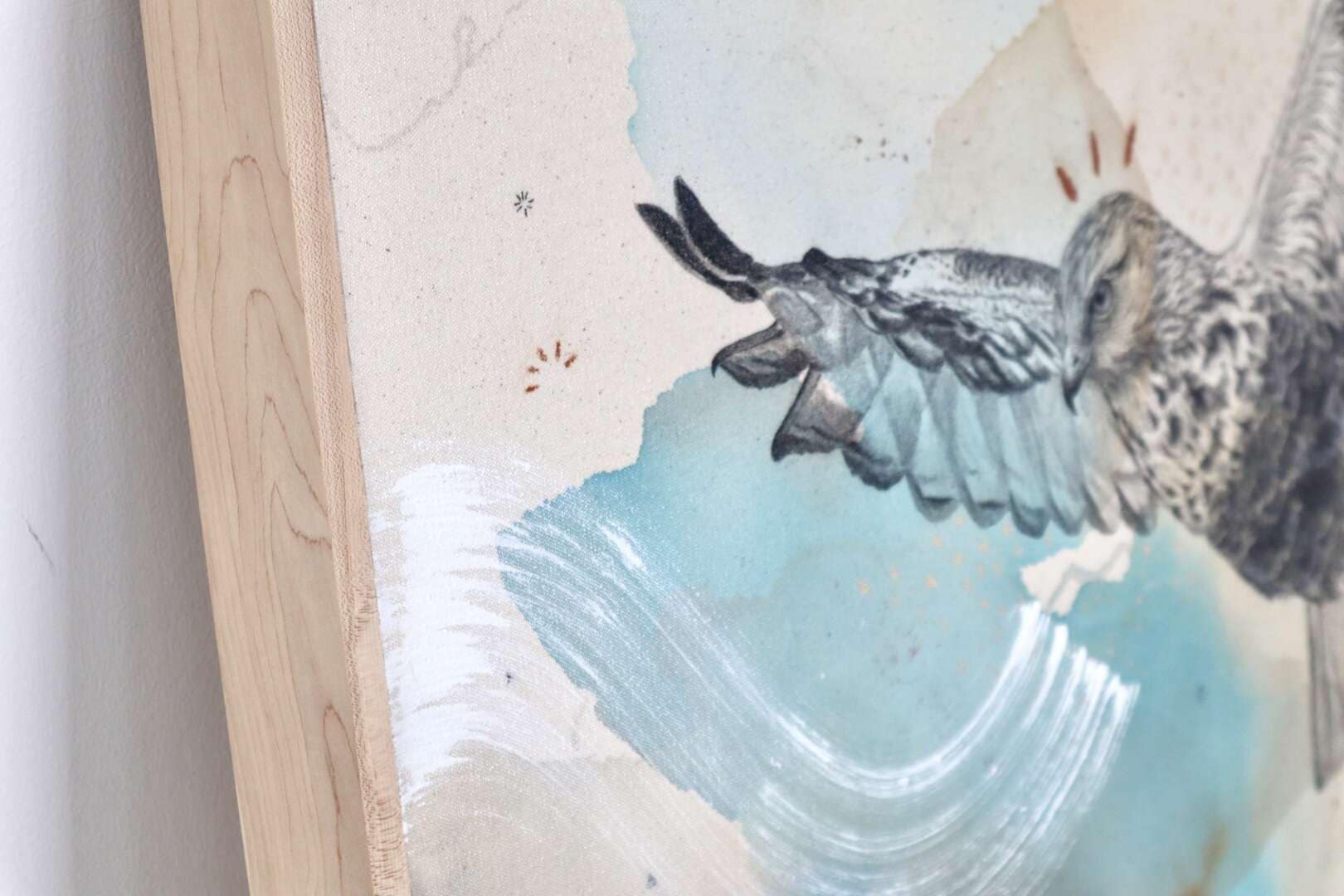
Original mixed media on raw stretched canvas with hard maple float frame.
Alternative hardwood frame available upon request at no extra cost. Email with inquiries.
Frame Details: Framed in hard maple
Framed Size: 25x37x2.5(inches)
View Frame Options Gallery >
We offer hand made custom frames constructed from natural wood of your choice. Click on the photos below to open and preview the frame options.
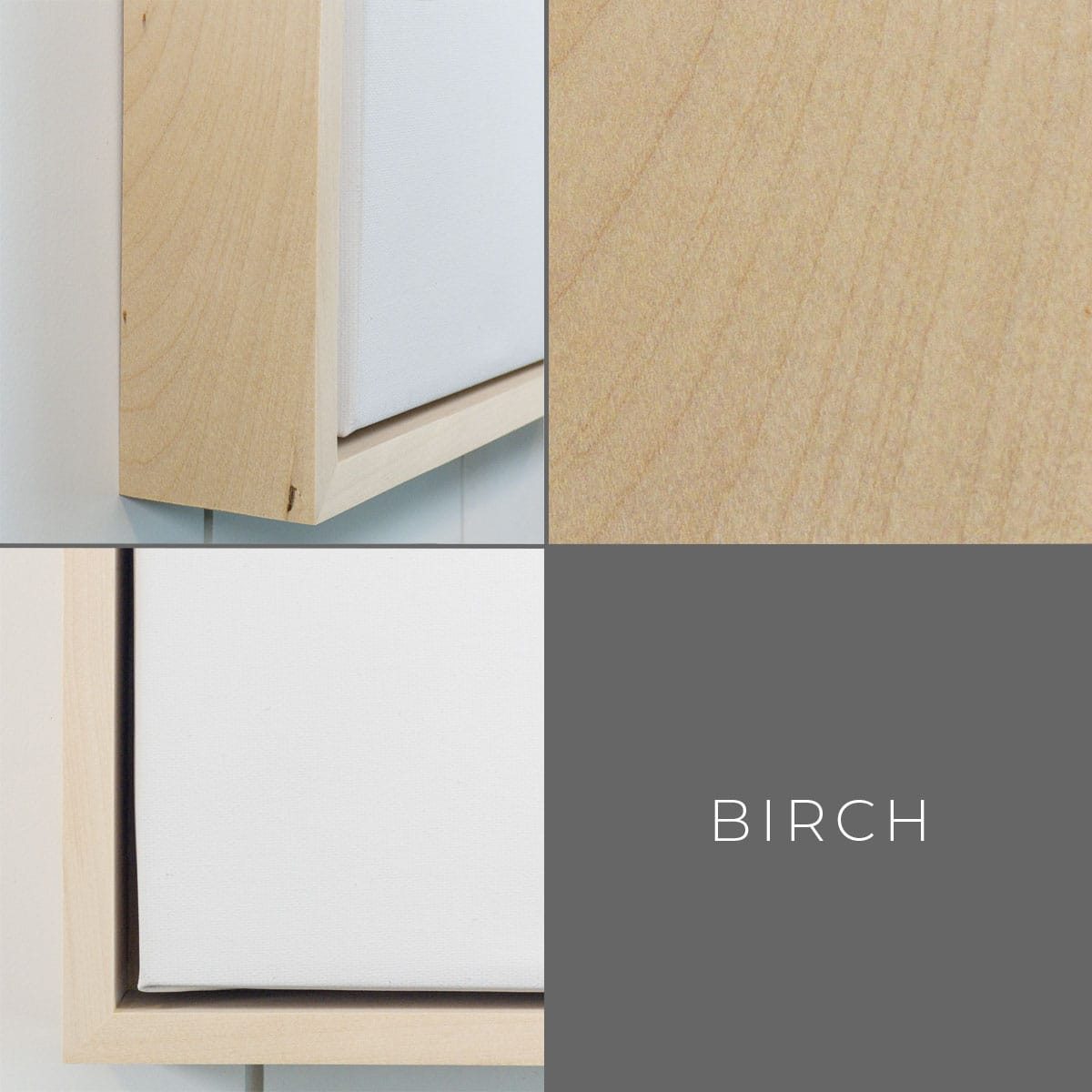
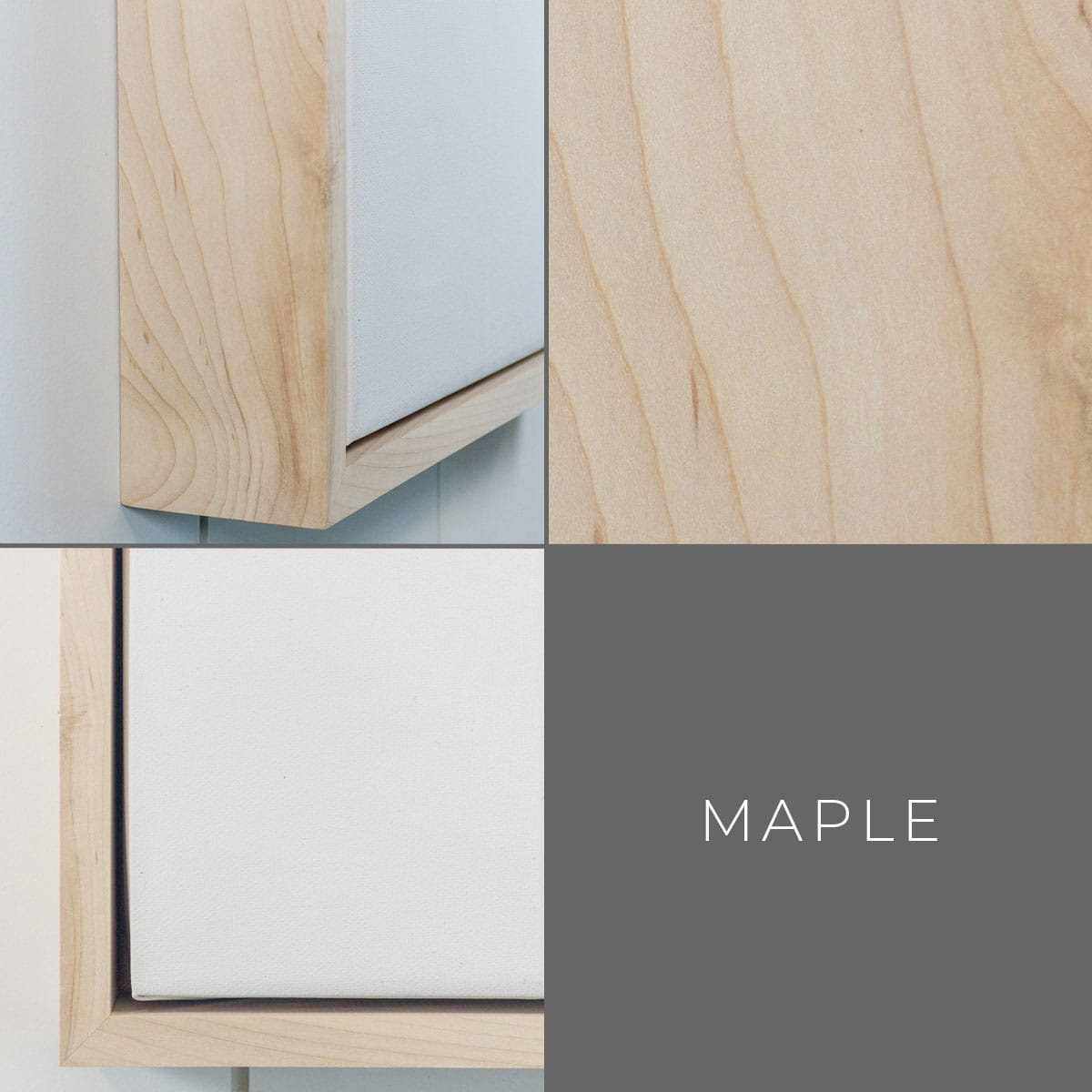
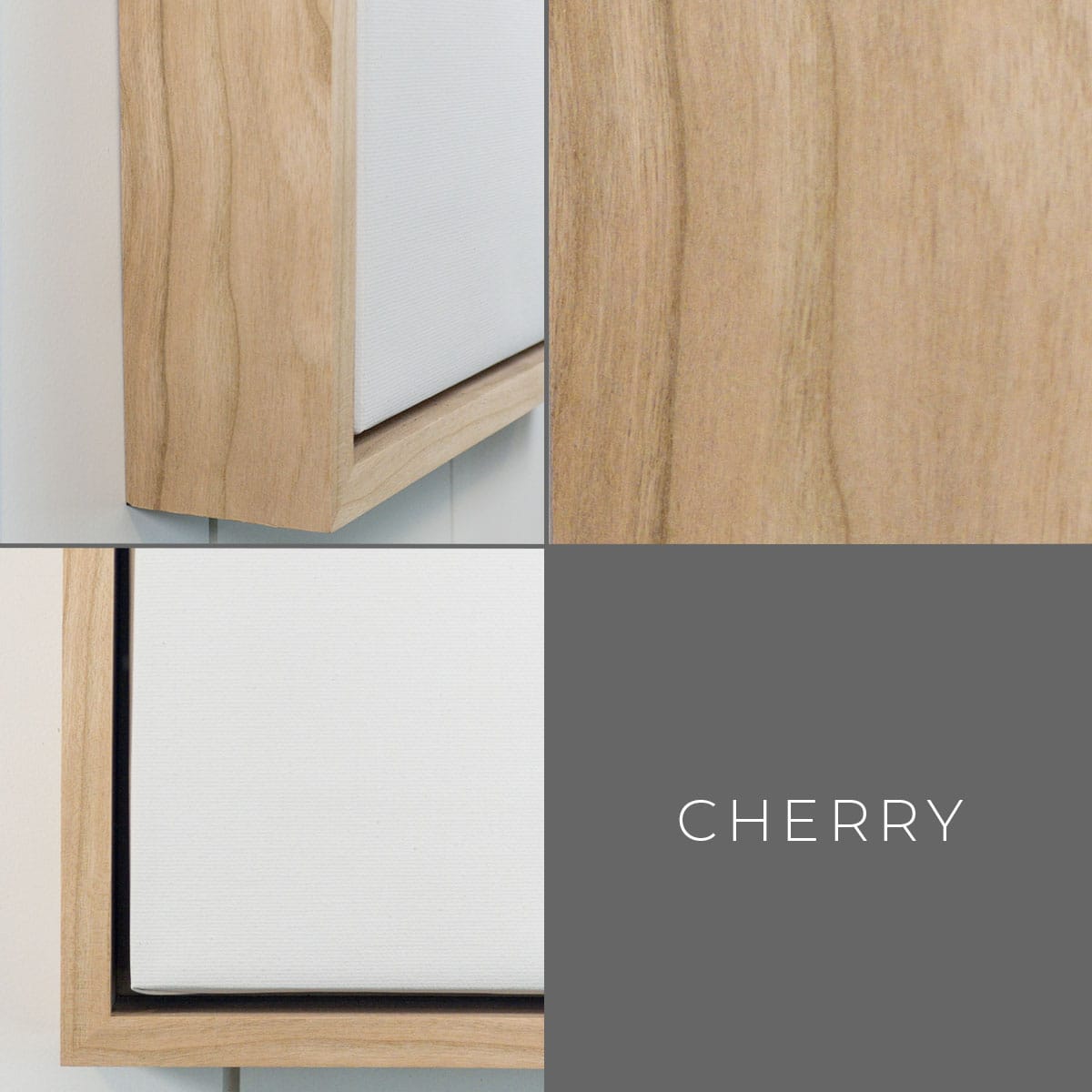
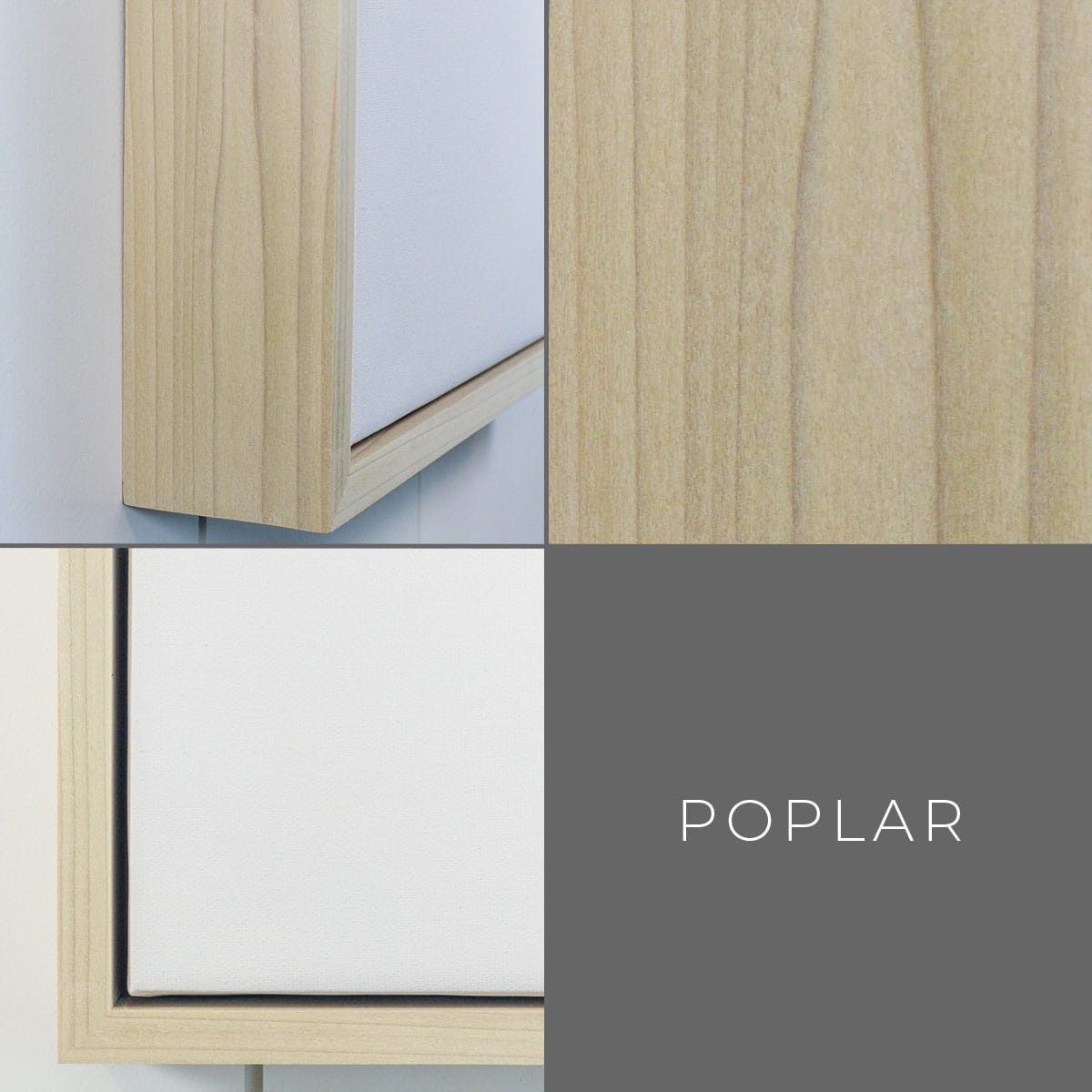
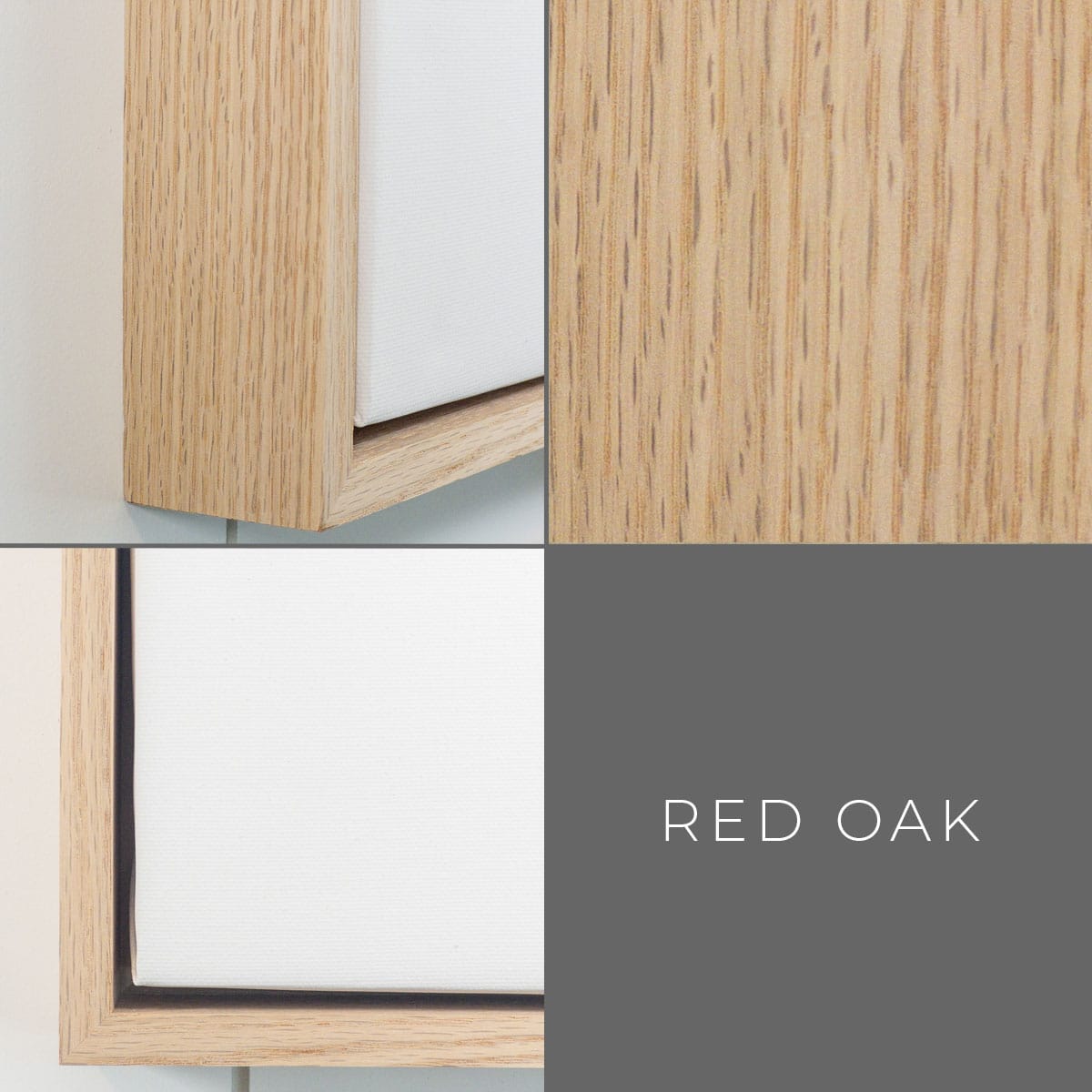
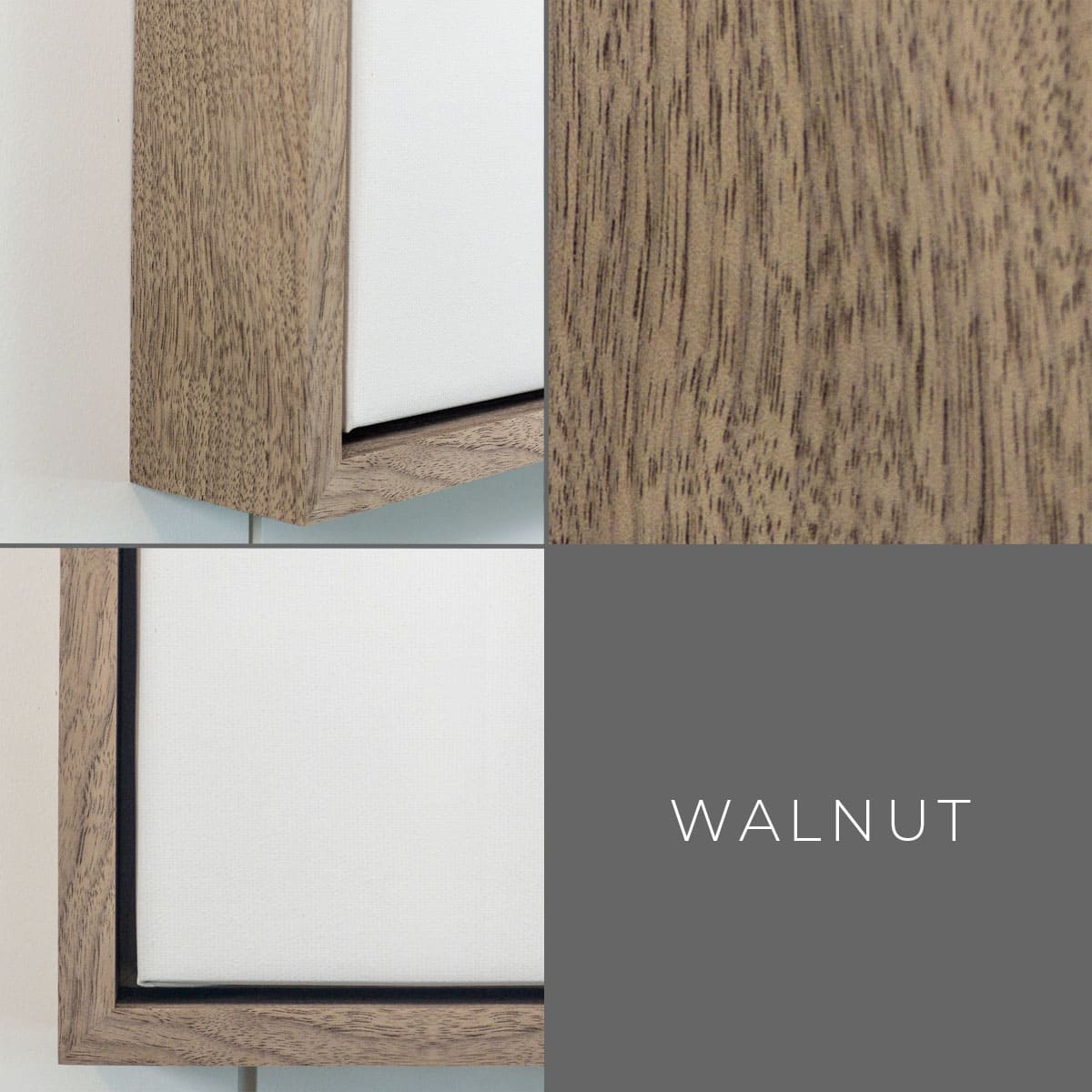
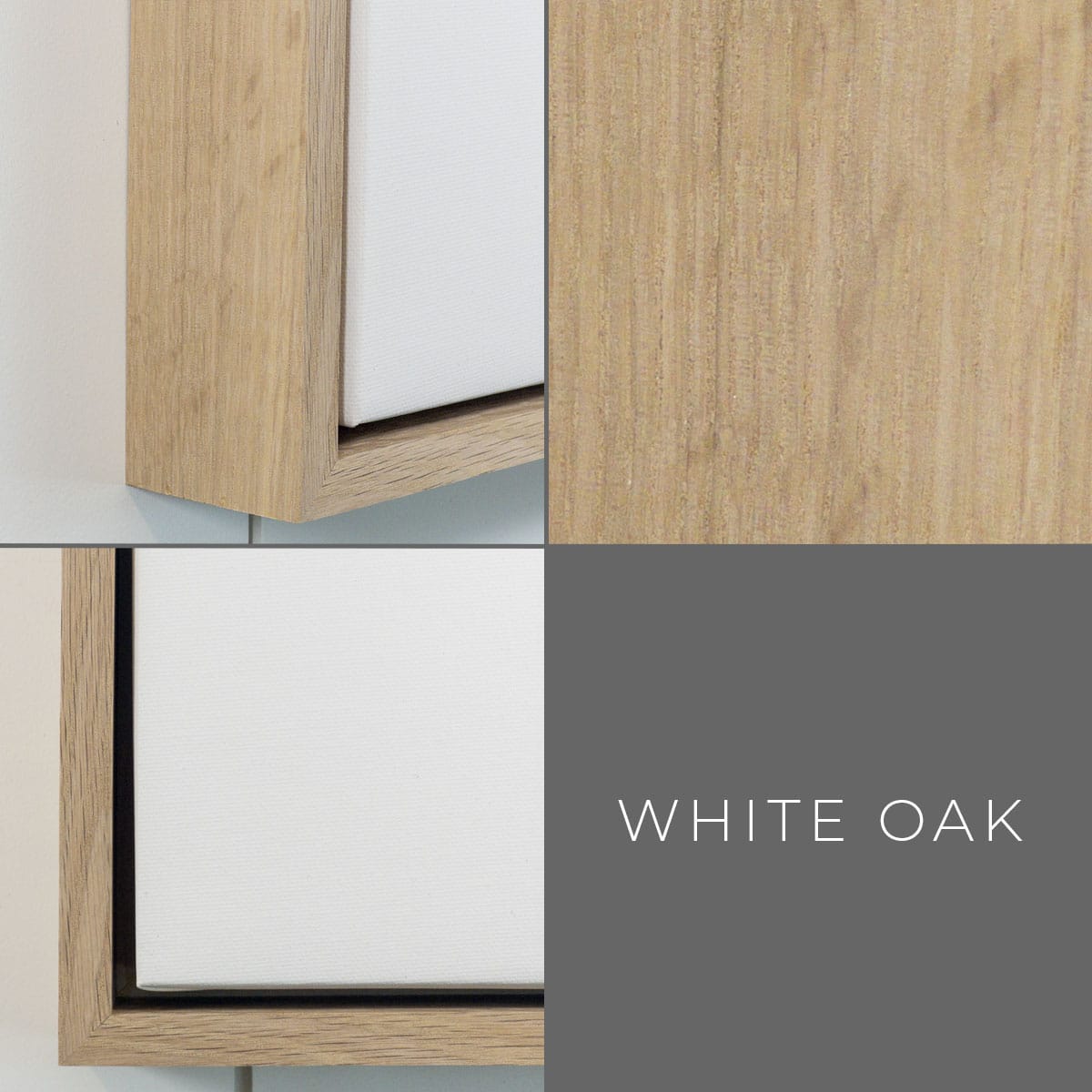
All orders will be shipped in 3-10 business days via USPS Priority mail, UPS or FedEx, depending on the size of the item and whether framing was desired. For medium to larger works, and if crating is needed to safely ship, it will be UPS or FedEX. USPS can ship larger works but it is a lot more expensive!
If I anticipate framing will take longer for any reason, I will reach out and let you know! You will receive a tracking number via email once the work has shipped.
If you are in the Fargo-Moorhead area and wish to pick it up, please select STUDIOPICKUP at checkout. I will have a table in the front lobby with your piece labeled for pick-up between the hours of 8 AM and 5 PM. I will always try to say hello if I am in the studio!
Thank you for supporting a small business!
Shop My Artwork


Footer