
Alicia Hauff Studio
Mixed Media Fine Artist in Fargo, ND
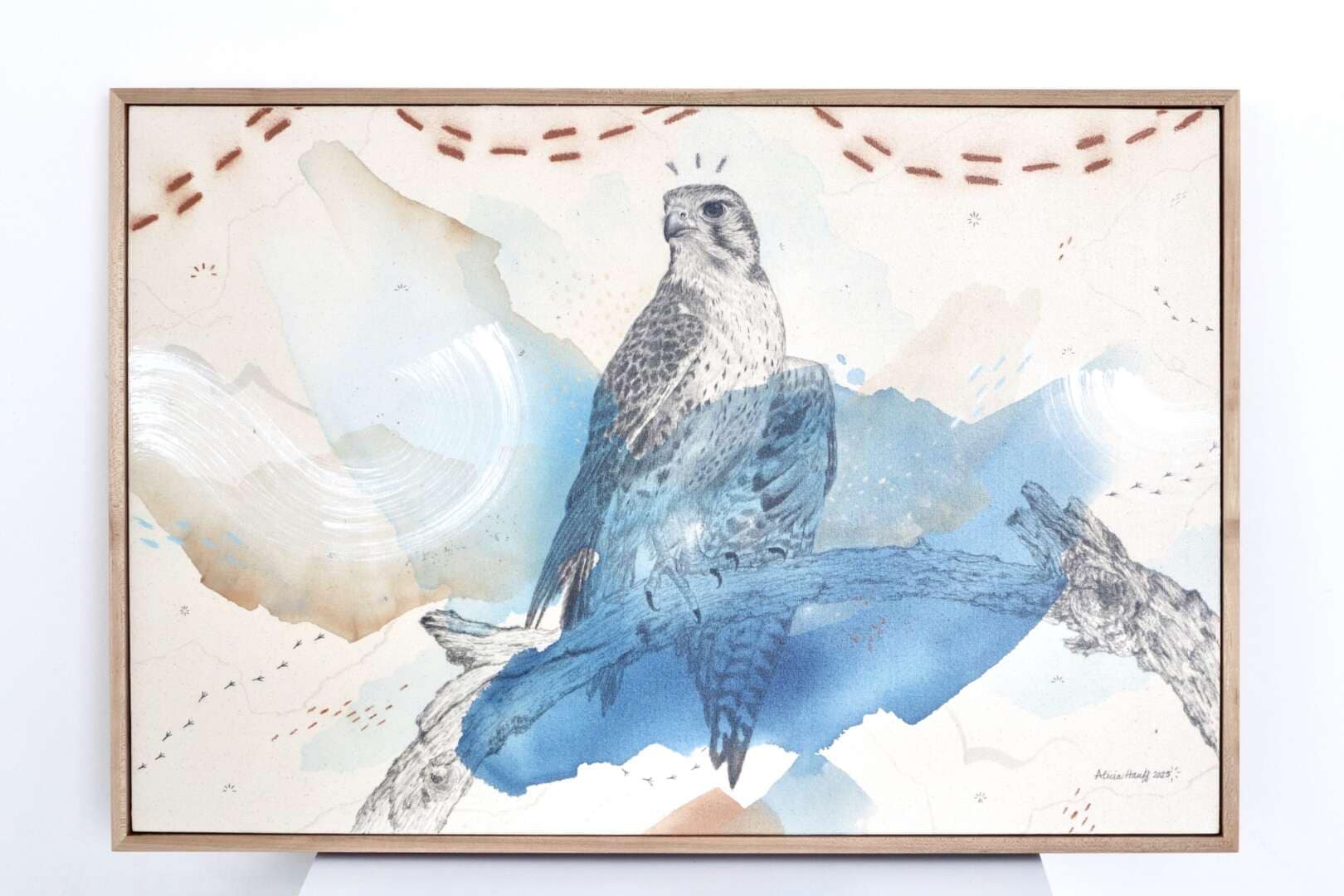
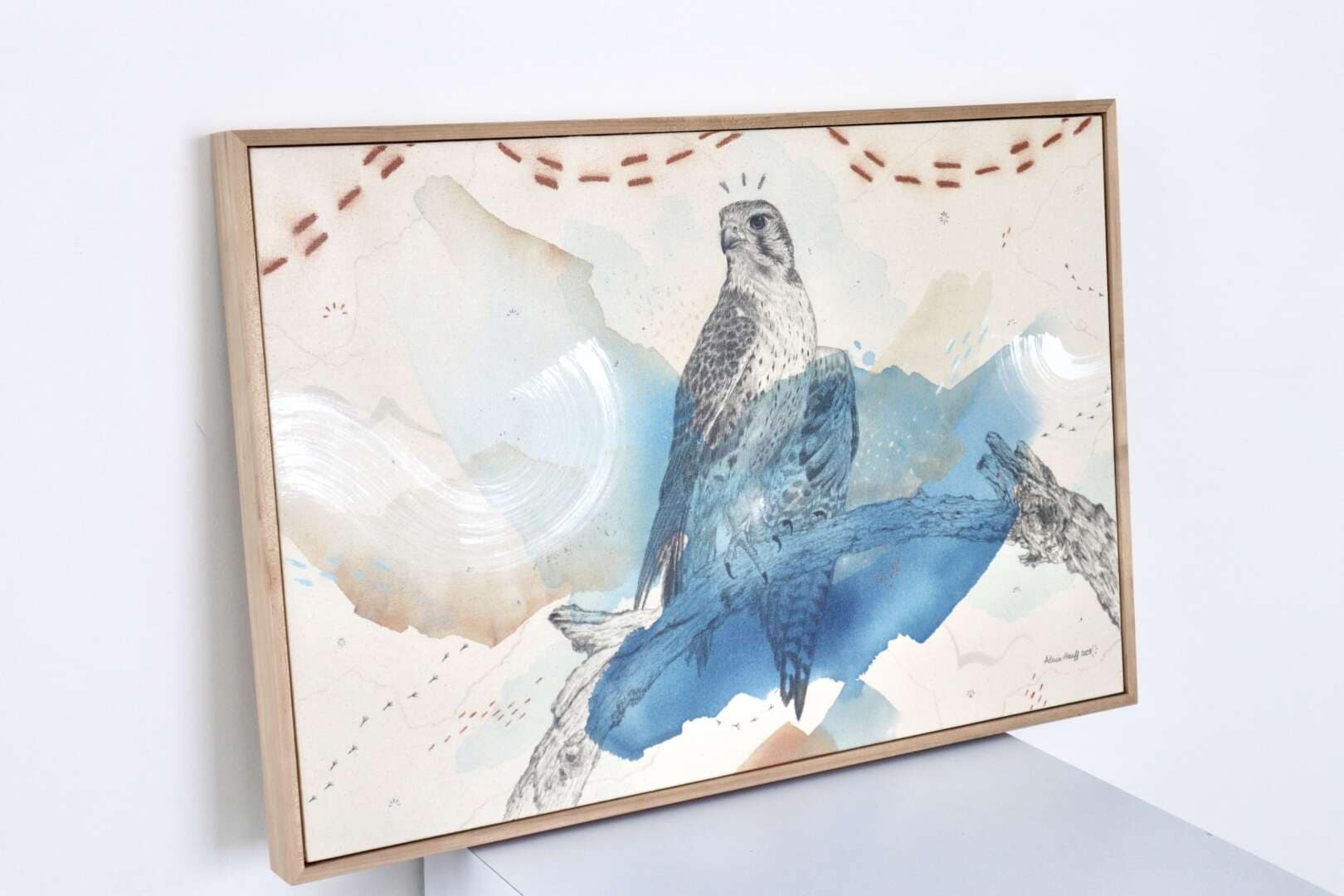
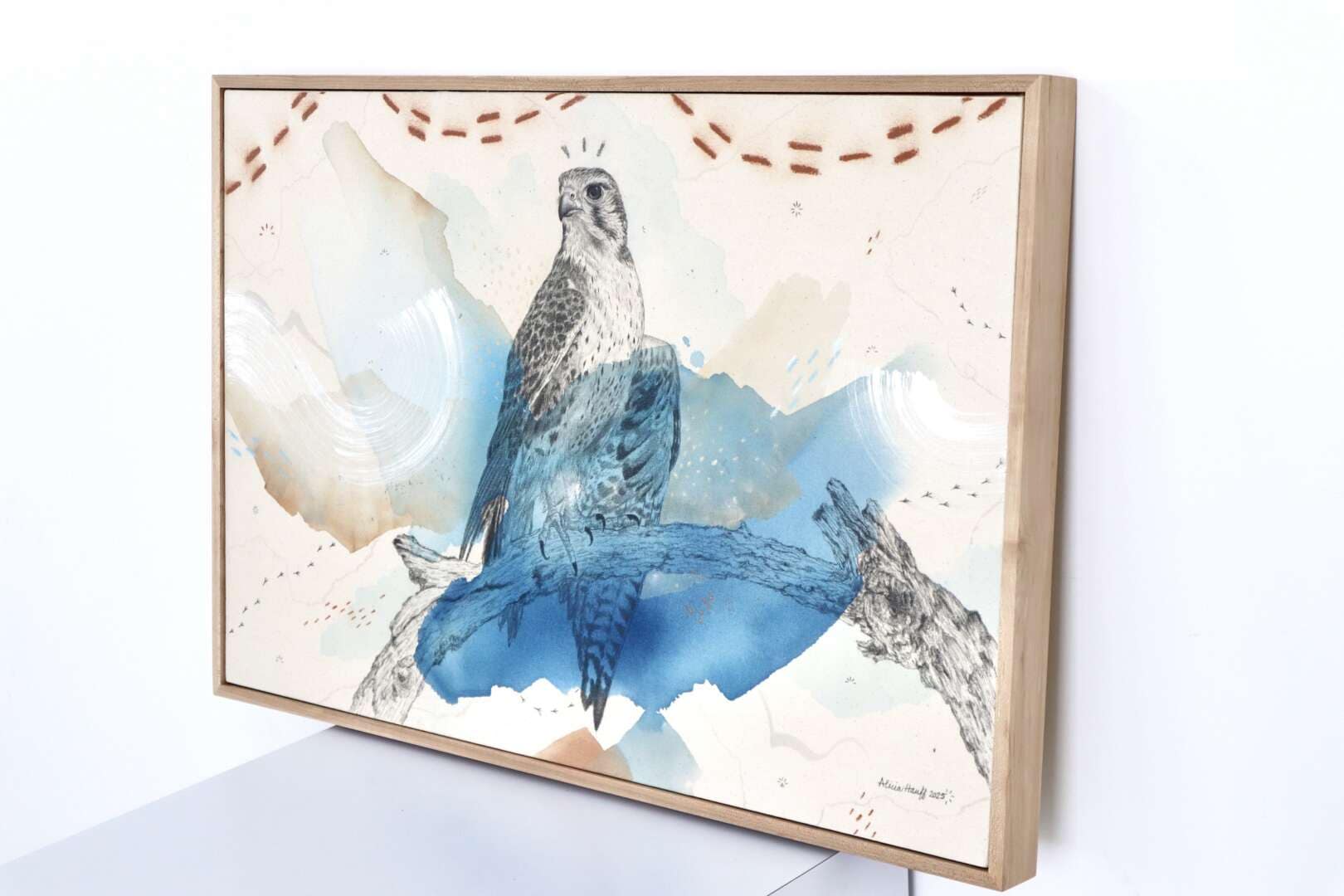
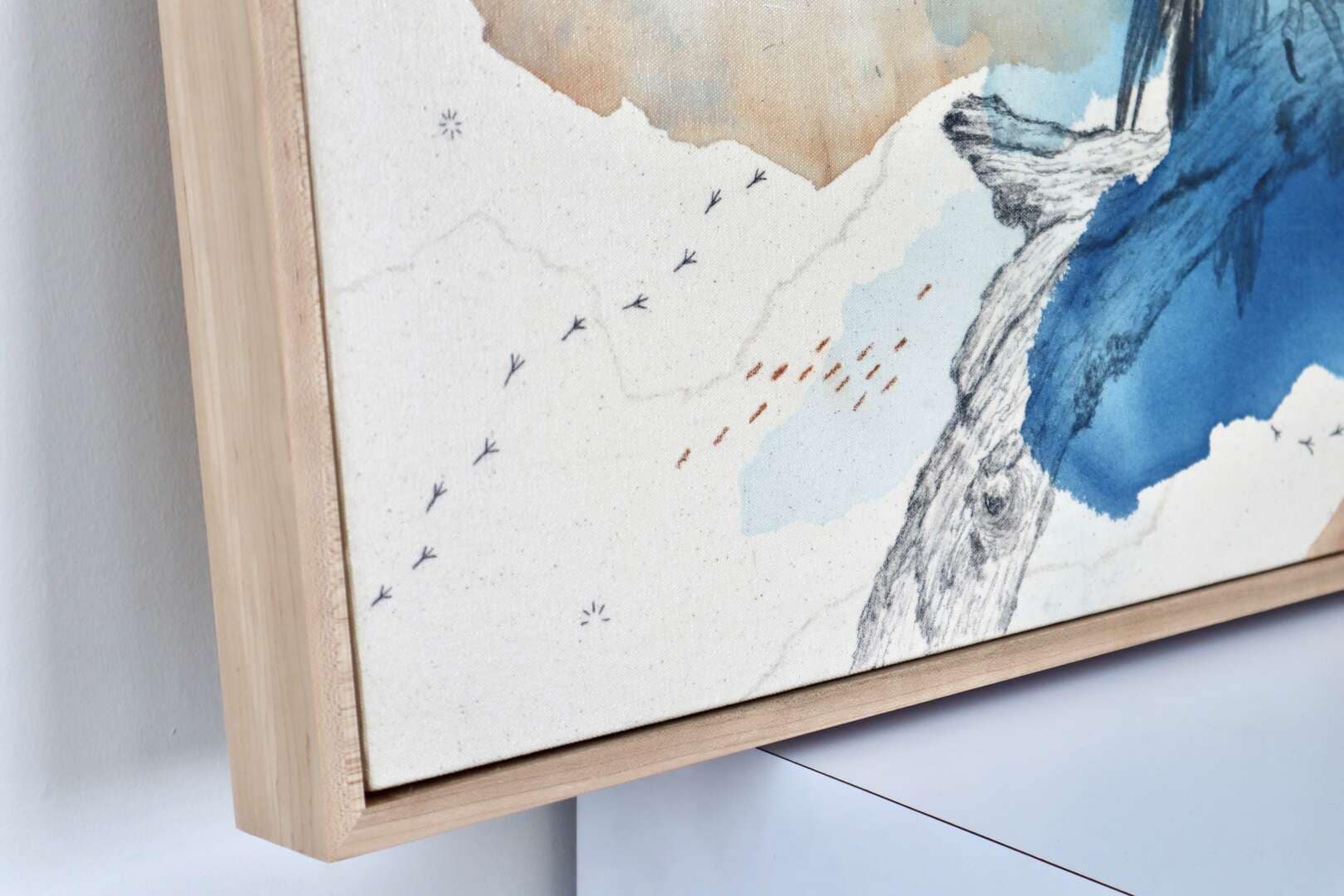
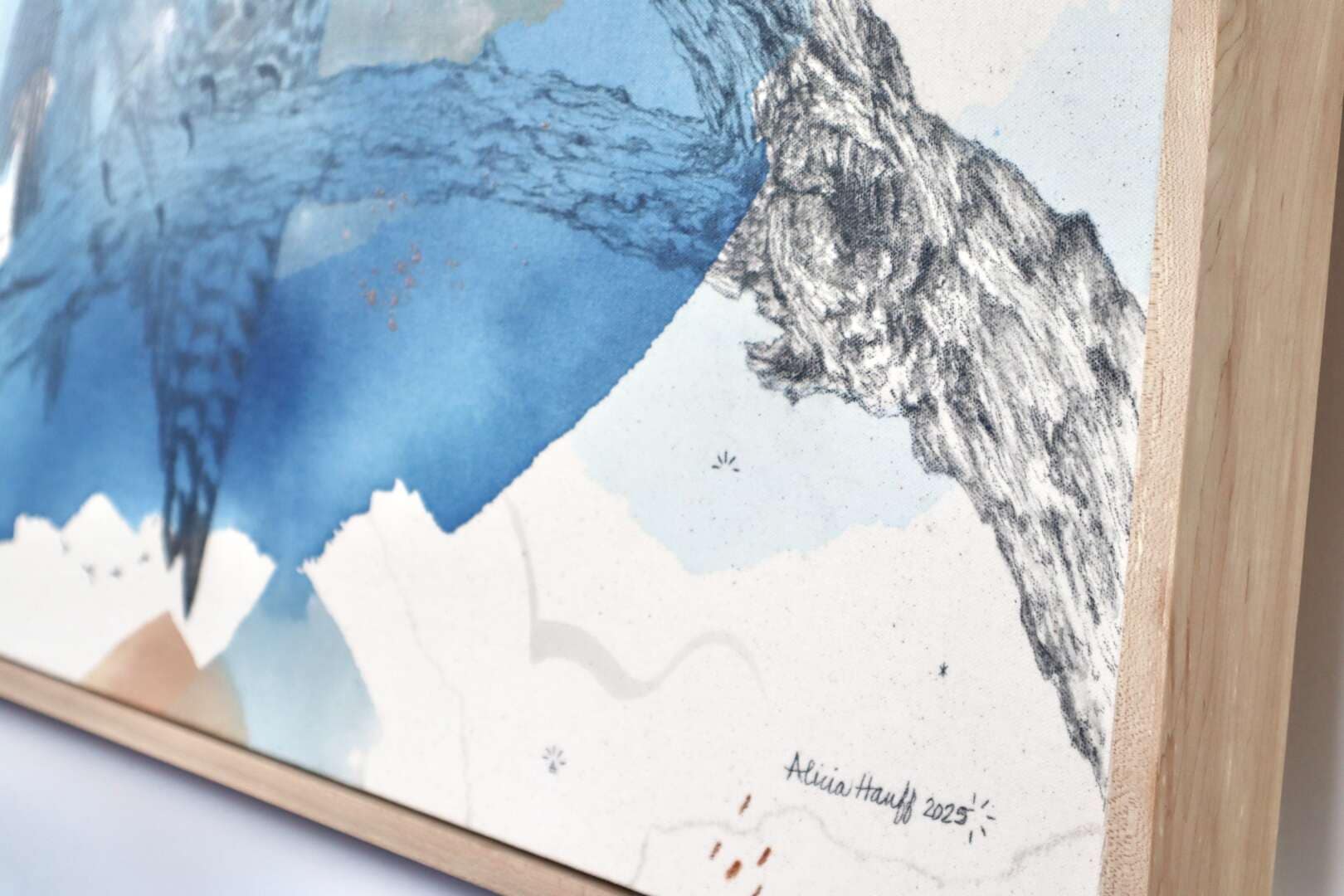
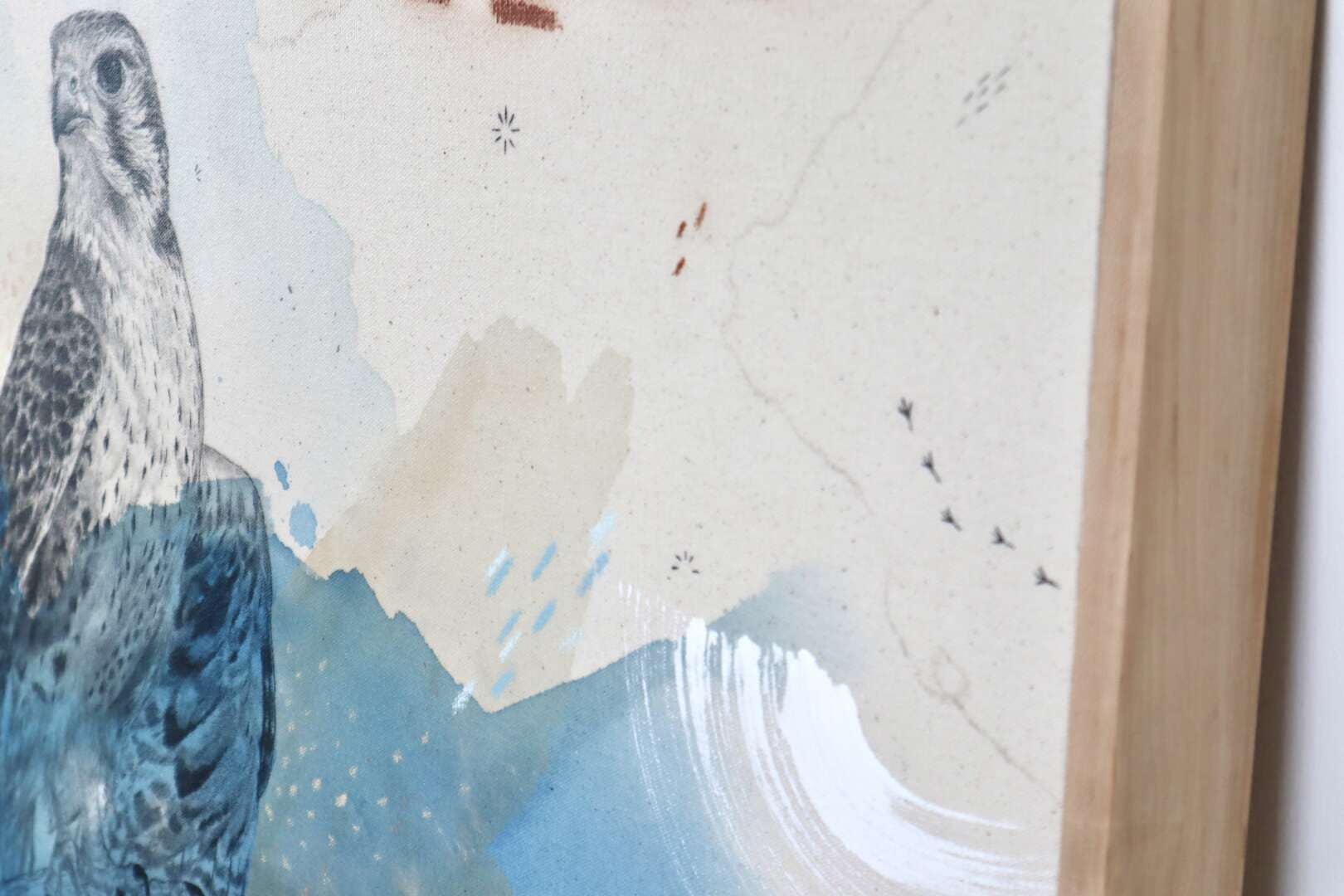
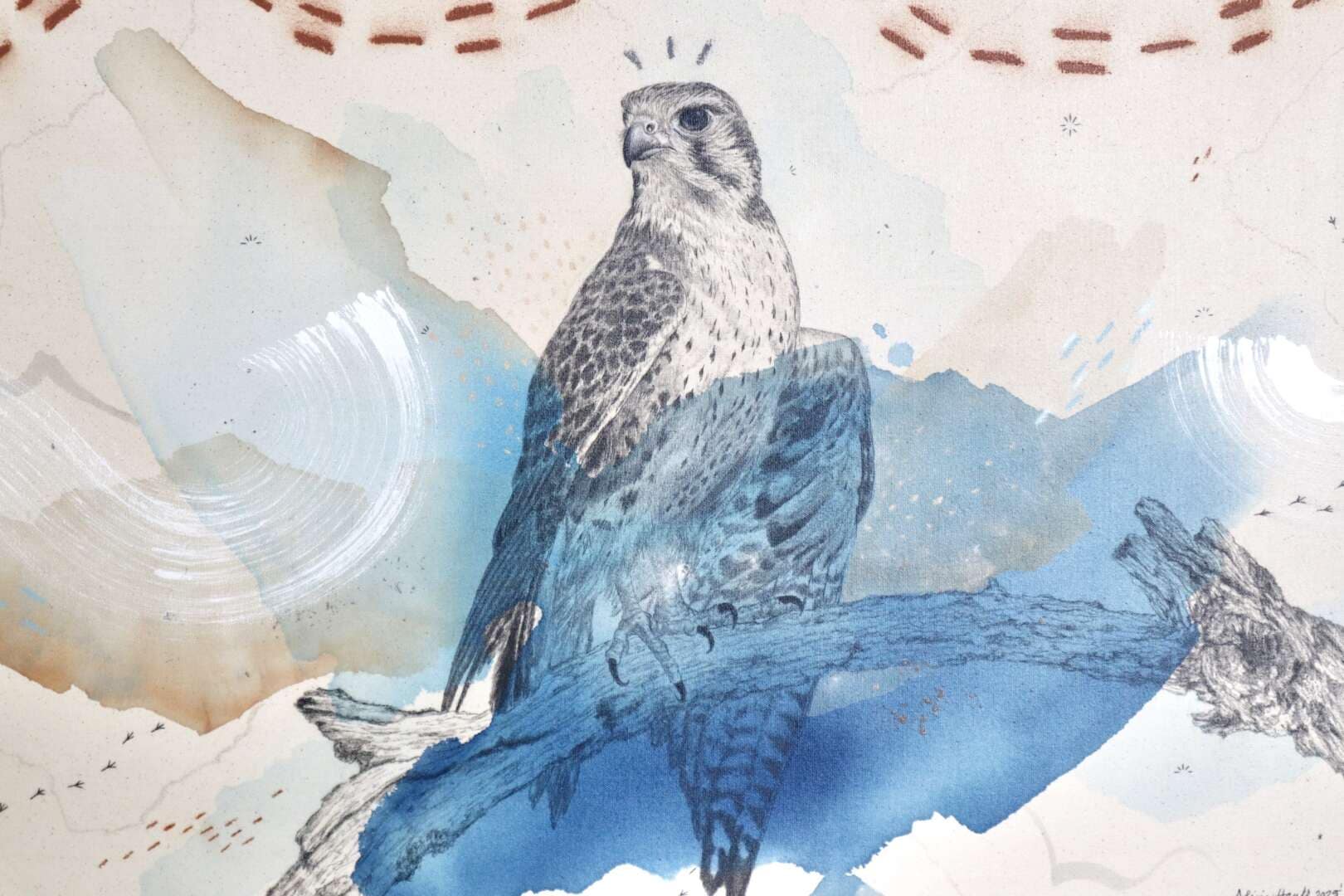
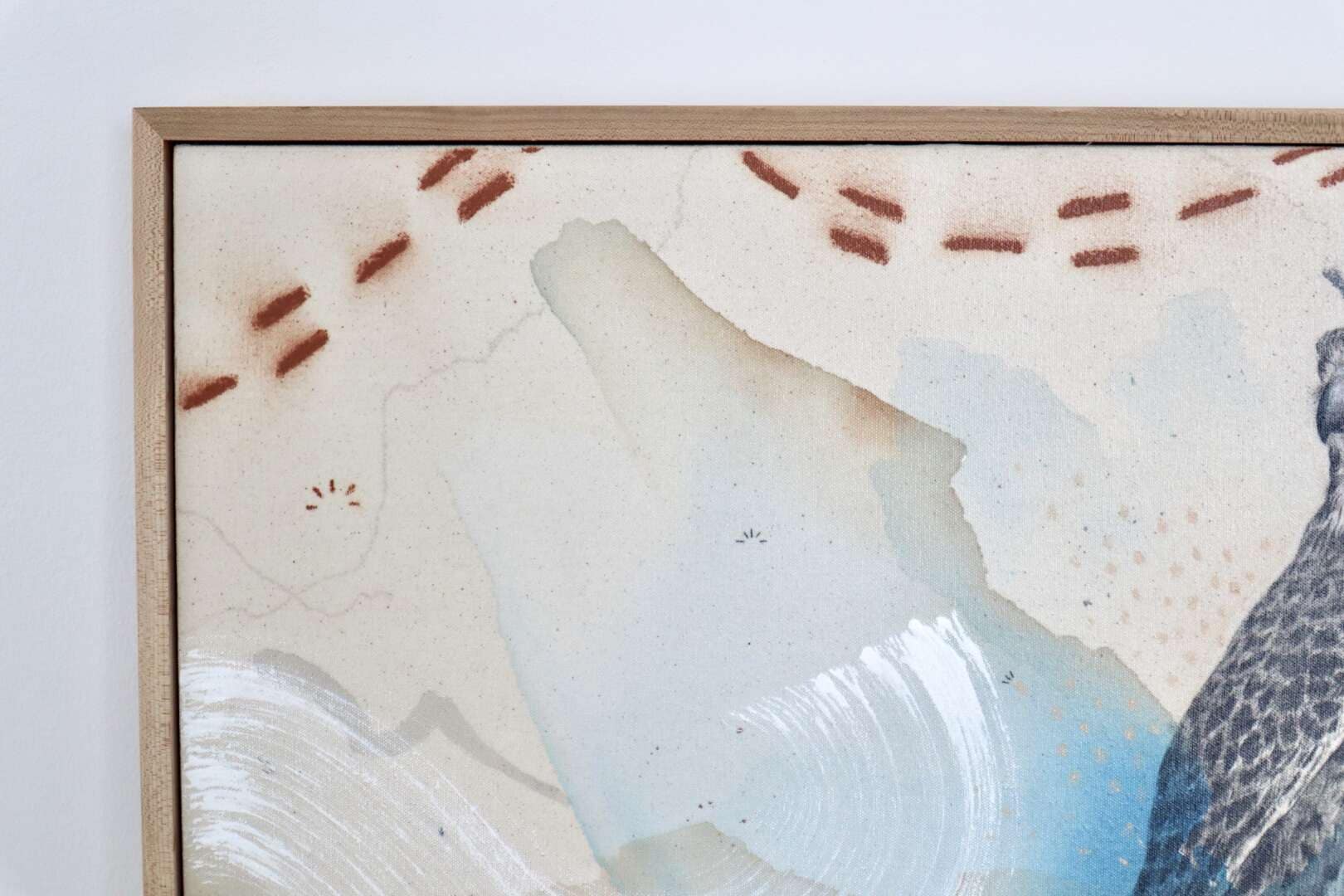
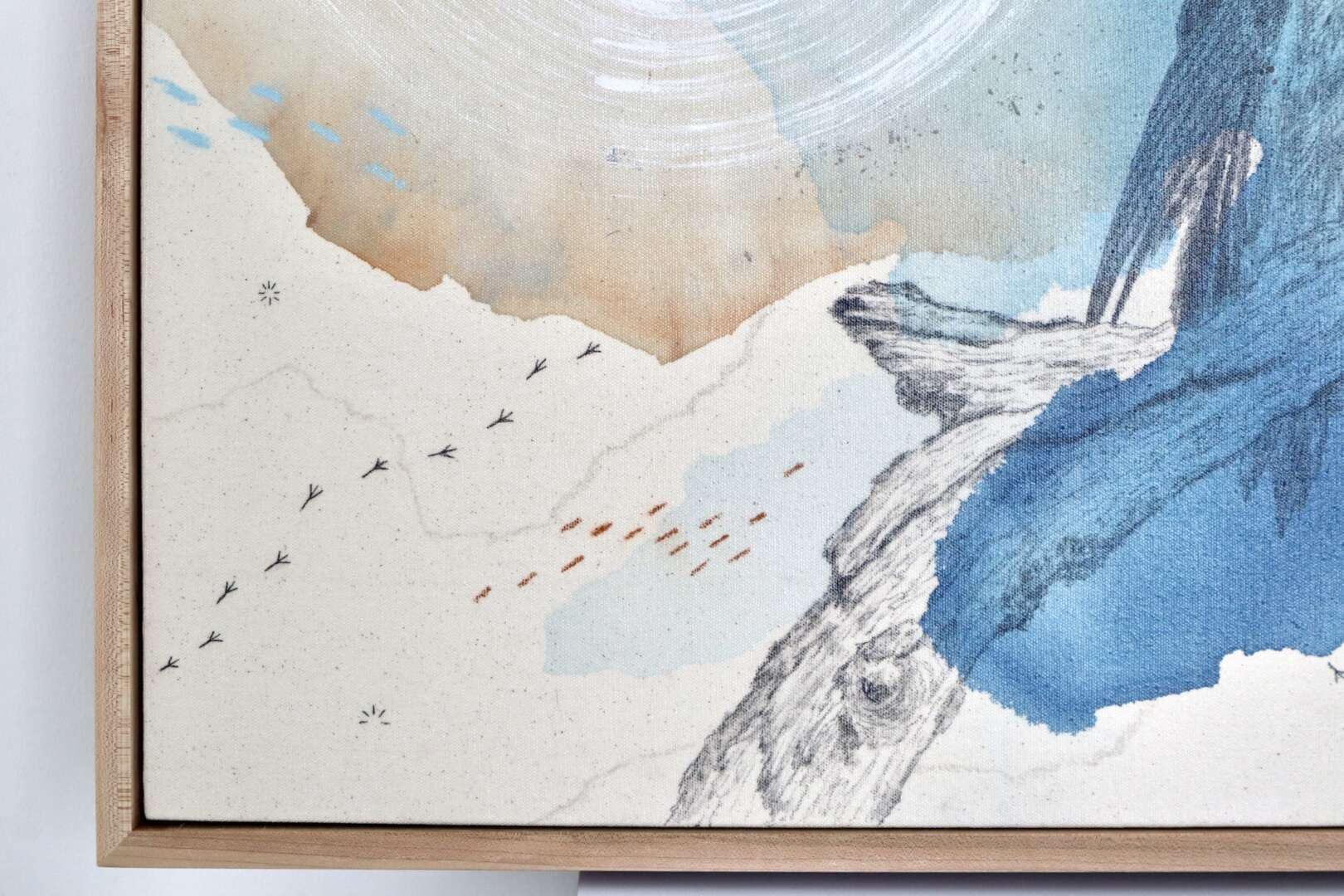
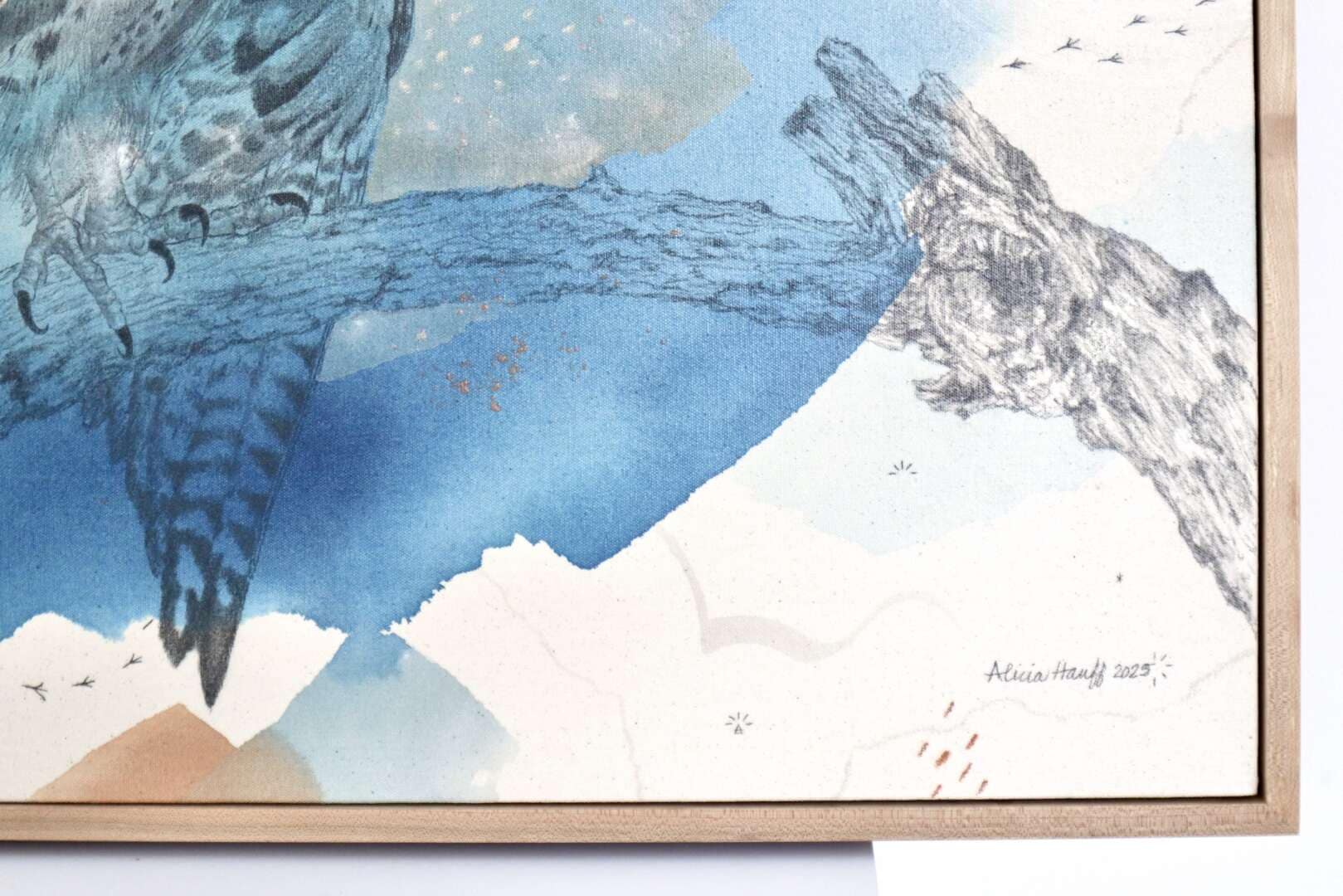
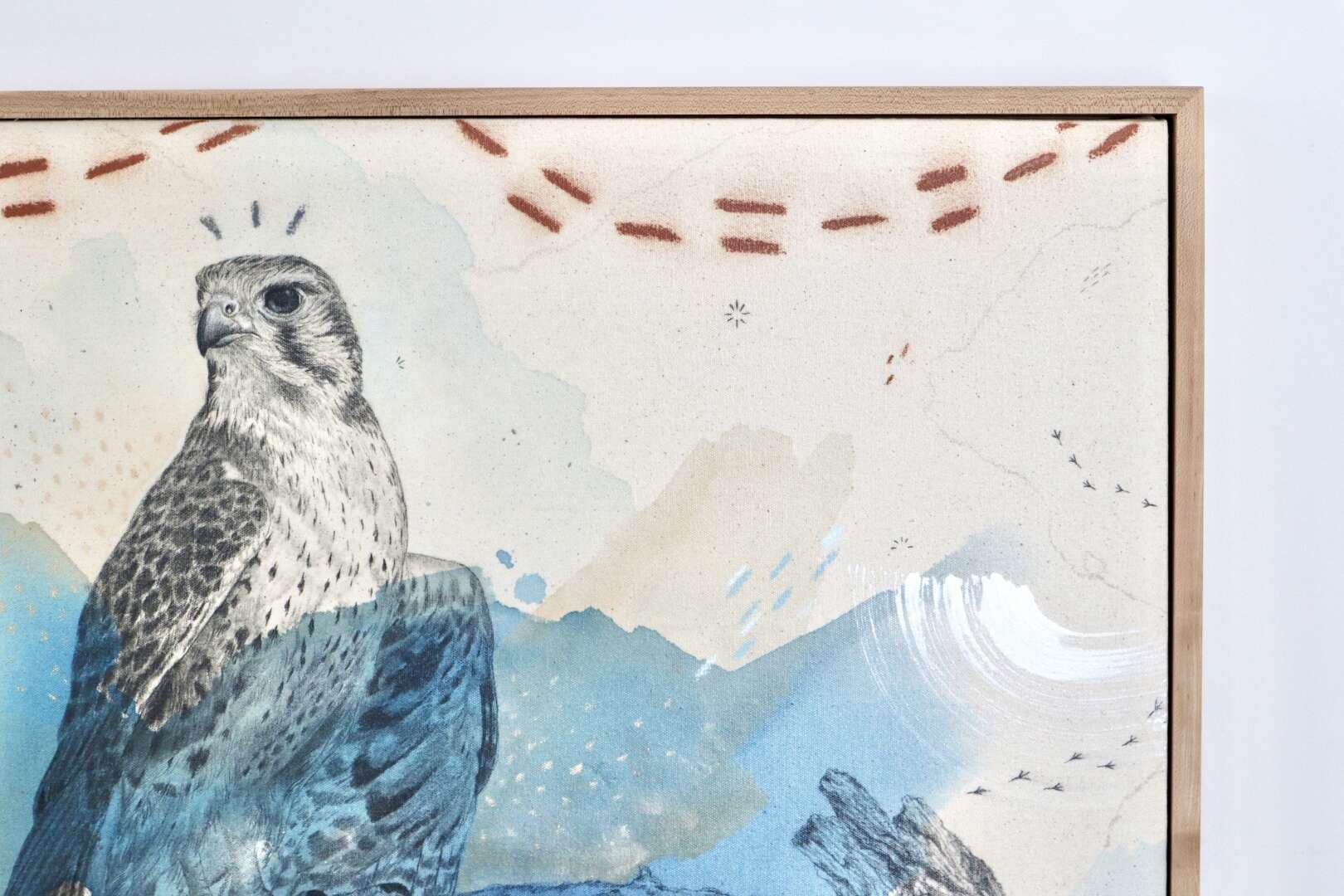
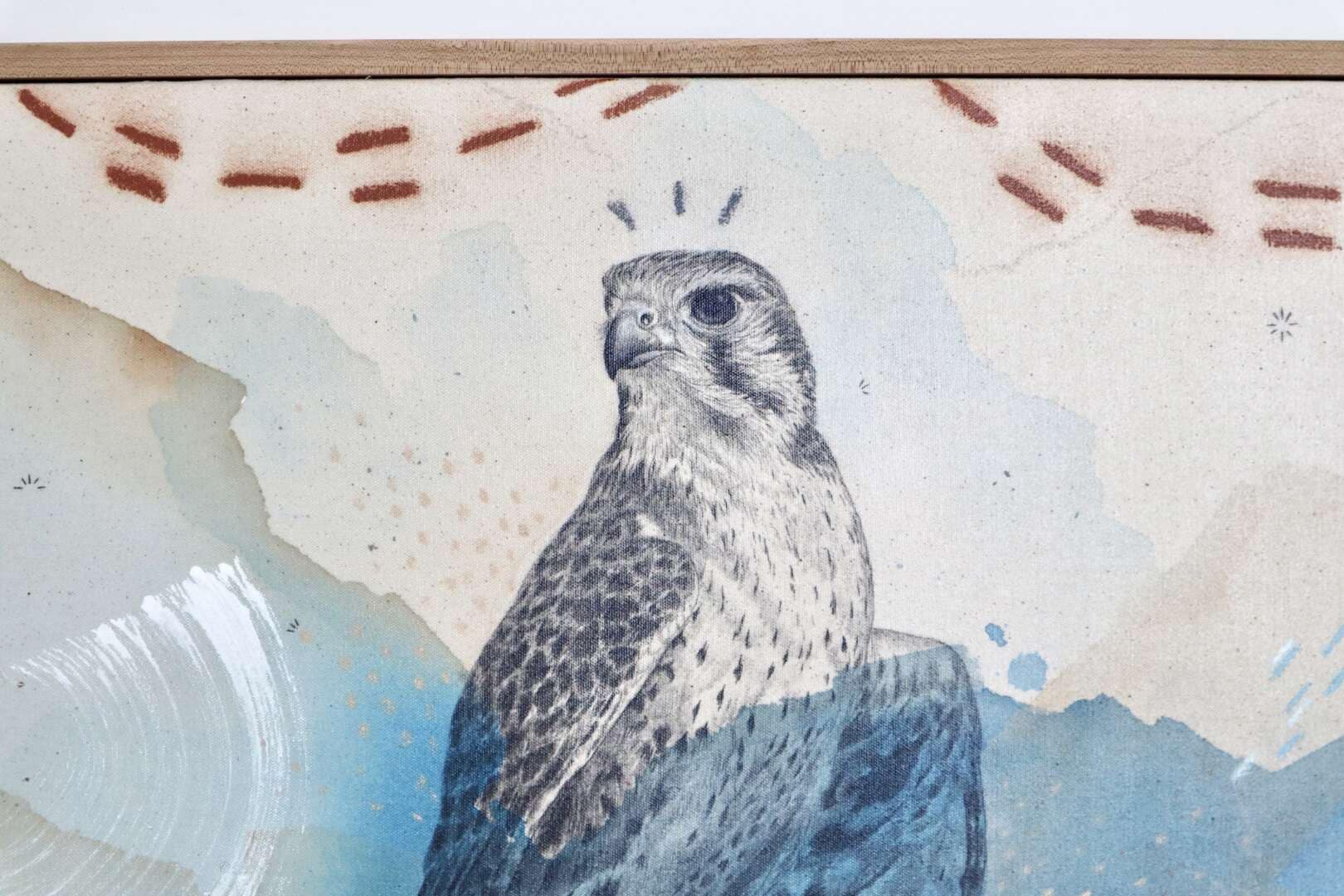
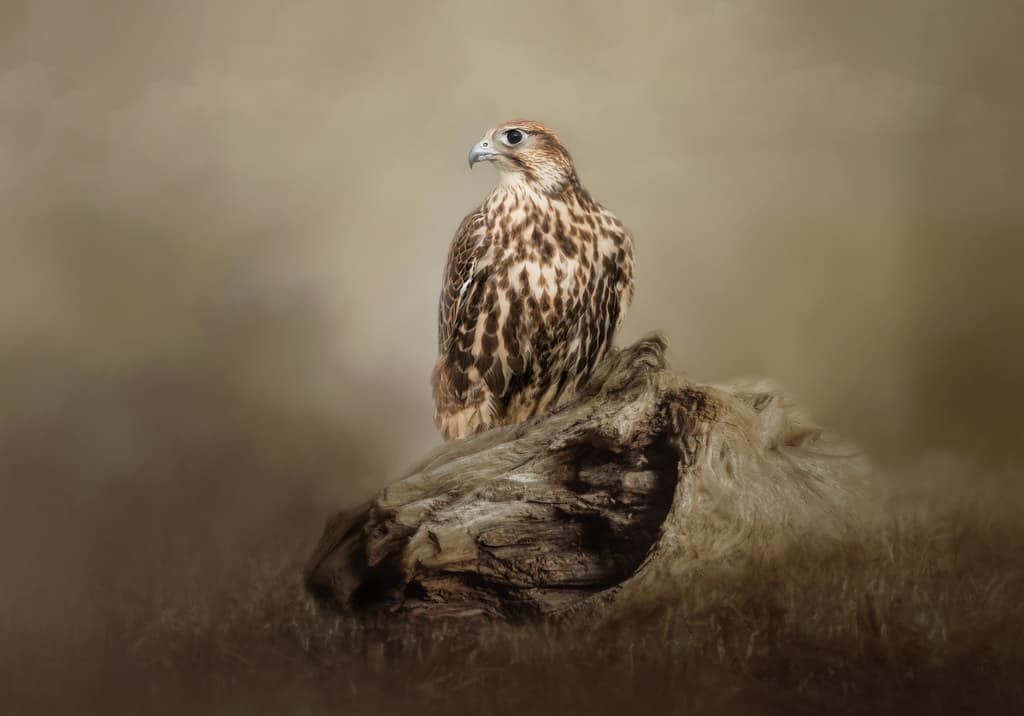
“Prairie Falcon, Spirit in the West”
$1,556.00
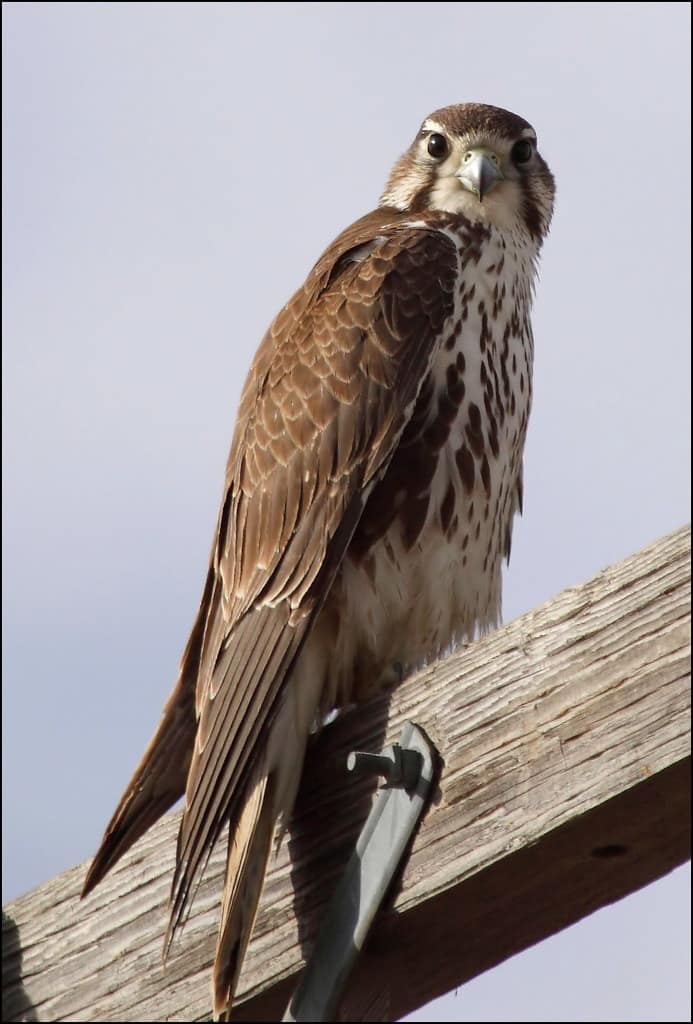
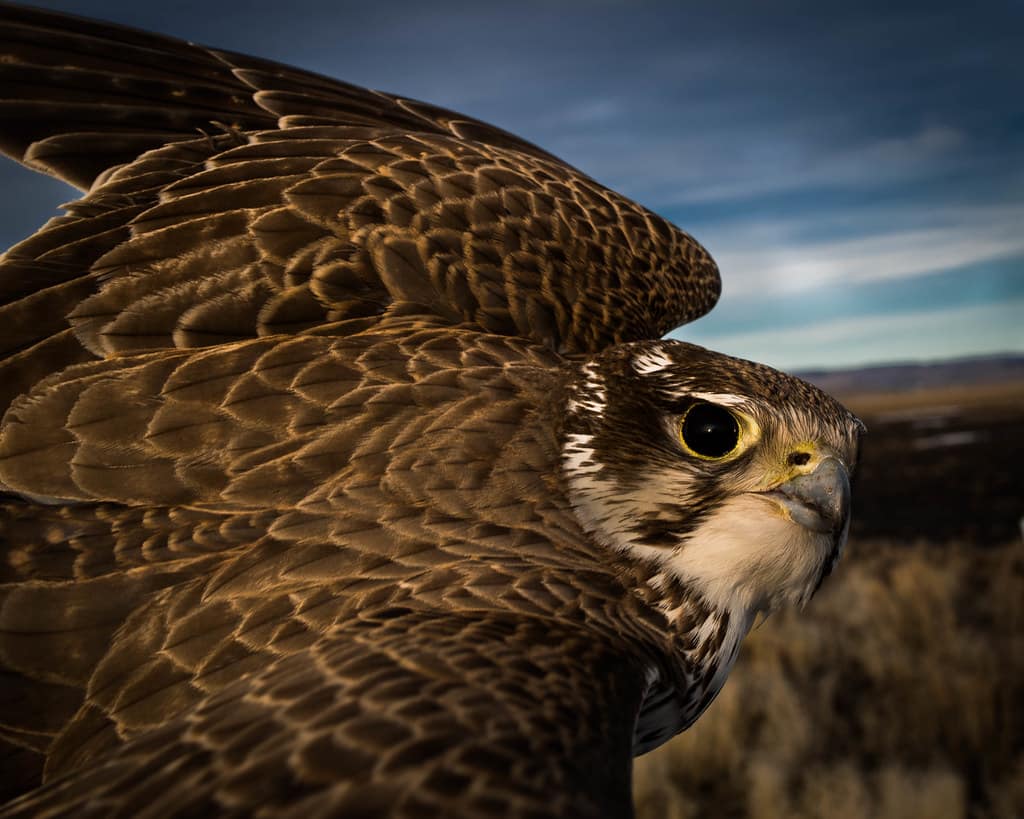
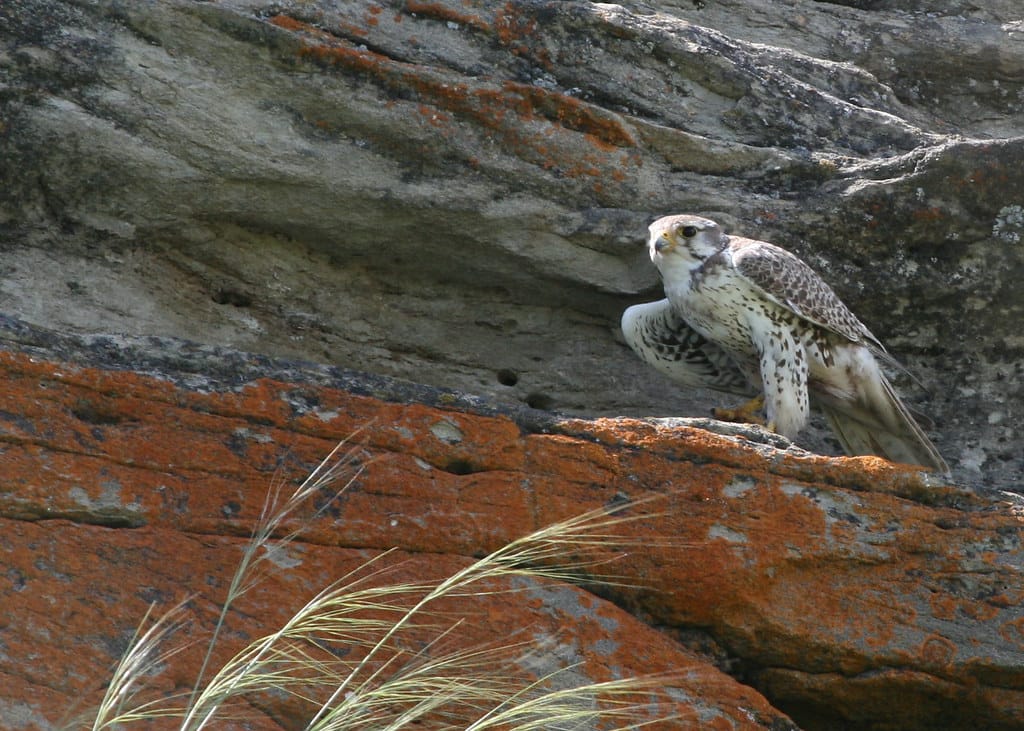
Bring some water and sunscreen: we travel to the arid deserts and shrub steppes to meet this bird. Prairie Falcons diverged genetically from their Peregrine ancestors about 3 to 5 million years ago to survive in harsh arid landscapes. Where the Peregrine is the master of speed, the Prairie Falcon adapted to have enhanced survivability in the sparse arid environment of the North American West. This translates to superior energy efficiency based on size, low competition from other raptors, lighter in weight, and more distance covered per calorie consumed. The Prairie falcon also has evolved eyes that are proportionally larger relative to their head size than the already large eyes of other falcons. In short: they adapted to their specific environment for competitive advantages, evolution at its finest.
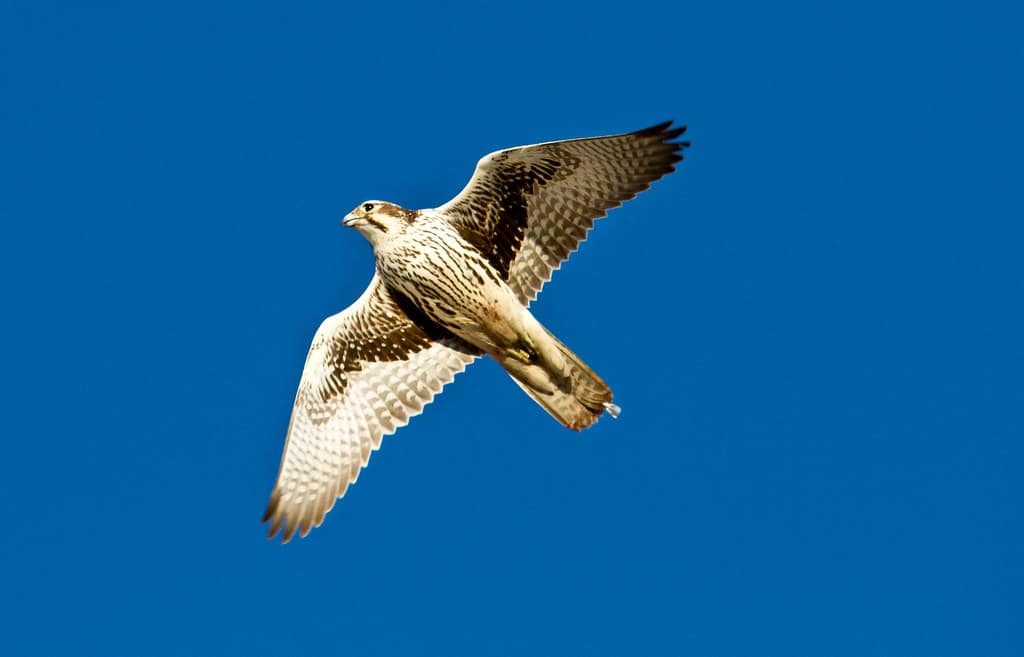
Prairie Falcons glide above shrubby deserts and grasslands searching for ground squirrels and other small mammals and birds. In flight, look for the dark triangle of “armpit” feathers that distinguish it from other light-colored falcons. On the breeding territory you may hear a Prairie Falcon pair’s loud courtship calls, but roosting birds can be tough to spot: their muted cream, brown, and gray plumage blends perfectly with the steep bluffs and cliffs where they nest.
**This piece will be part of an exhibition at the Plains Art Museum in Fargo from January-July**
Fast facts:
- The Prairie Falcon sometimes bathes in river shallows, but dust-bathing is probably more common than water-bathing, because of the general scarcity of standing water in its habitat.
- Prairie Falcon populations weren’t hit as hard as Peregrines and Merlins in the 20th century DDT crisis because their mammal-based diet exposed them to lower pesticide levels than their bird-eating relatives.
- Prairie Falcons are among the species of birds that seem to play—they’ve been seen dropping dried cow manure in midair and then diving to catch it. Like young ball players flipping a baseball to themselves, this may be a way to sharpen their coordination skills.
- They ruthlessly defend their nests from hawks, eagles, other falcons, and some owls.
- Prairie Falcons in summer eat mostly small mammals, particularly ground squirrels. They also eat pikas, birds, and insects.
- Prairie Falcons are popular falconry birds, and 19 states permit falconers to capture the birds (primarily as nestlings) for training purposes.
Sources: Audubon Society and Cornell Lab of Ornithology
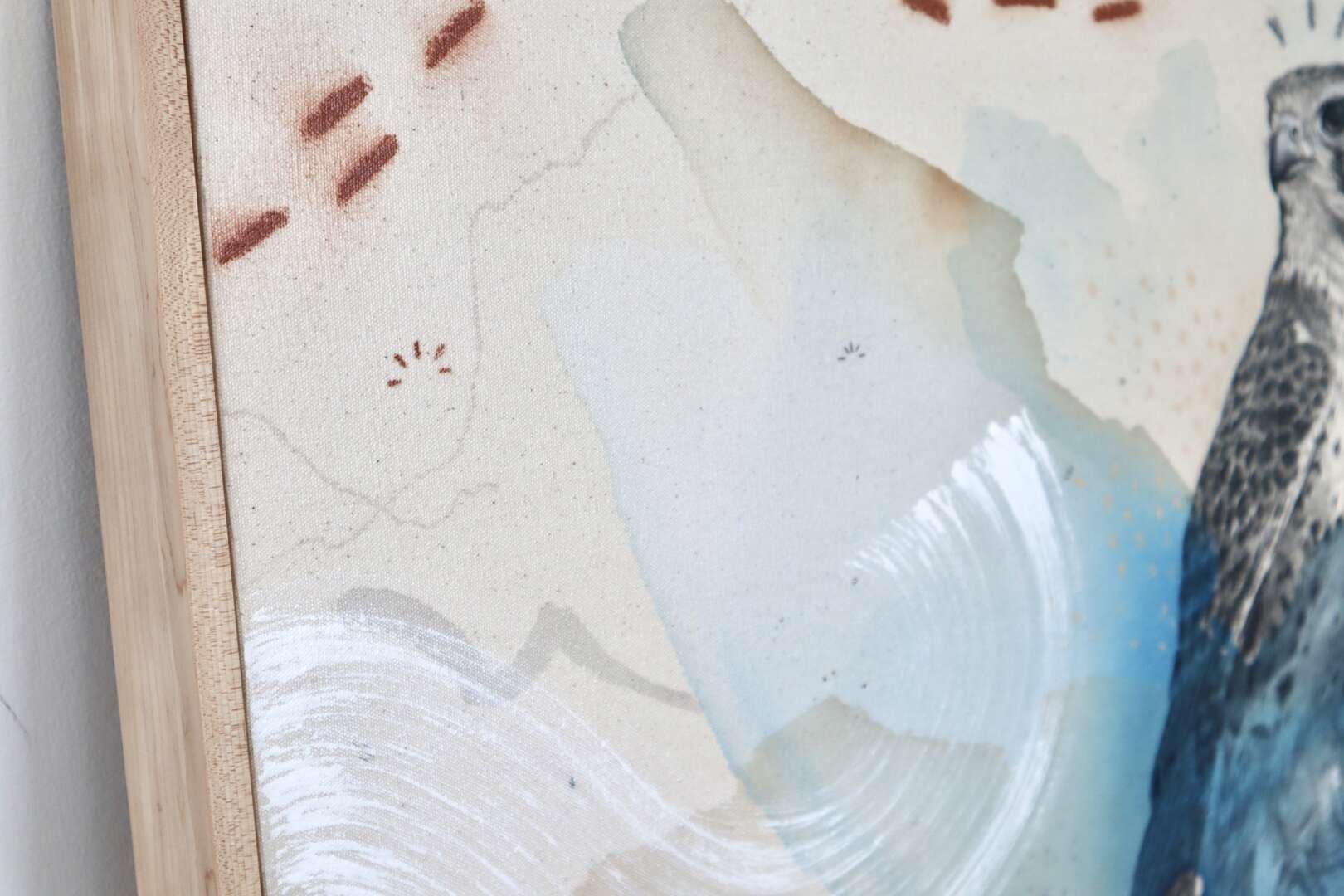
Original mixed media on raw stretched canvas with hard maple float frame.
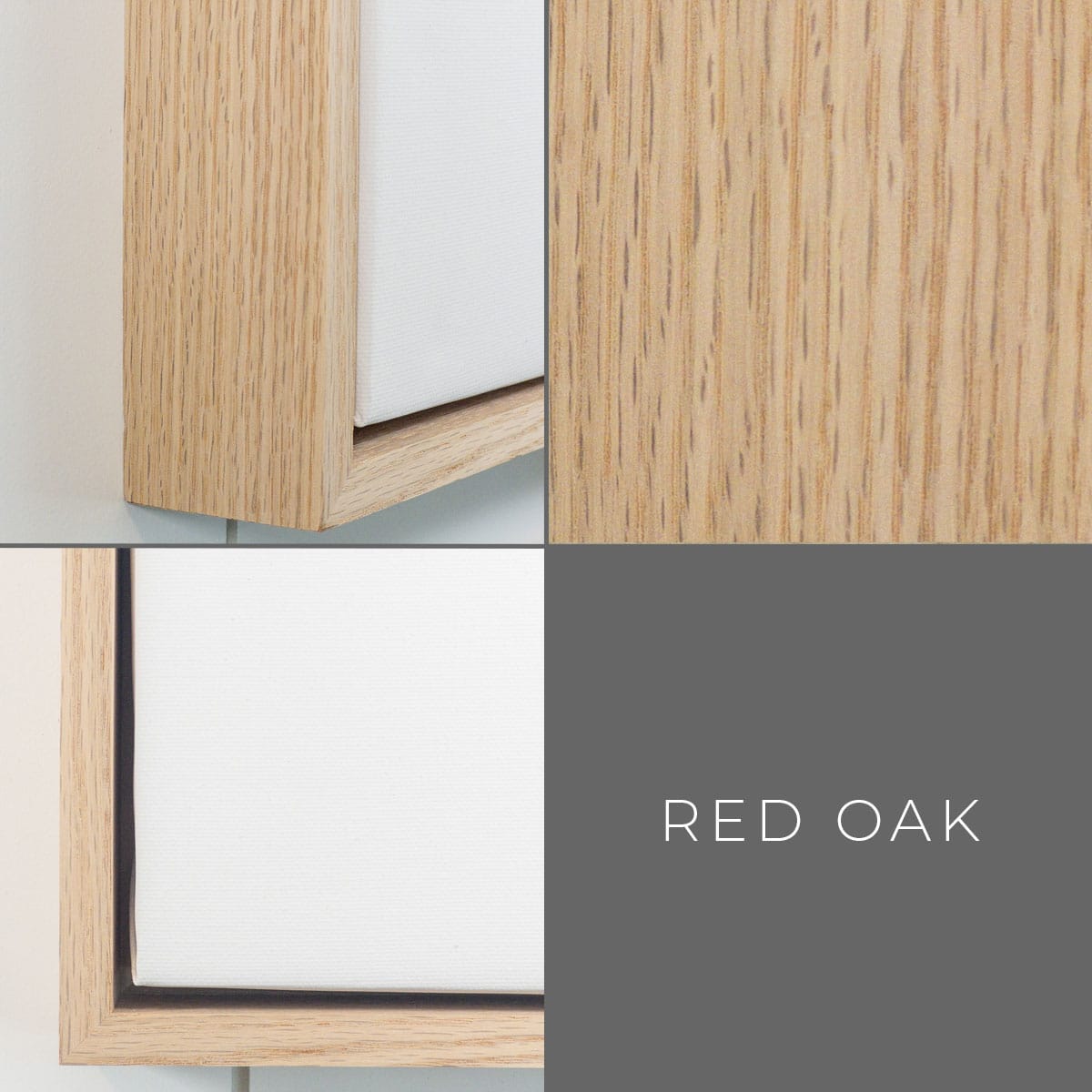
Alternative hardwood frame available upon request at no extra cost. Email with inquiries.
Frame Details: Framed in hard maple
Framed Size: 25x37x2.5(inches)
View Frame Options Gallery >
We offer hand made custom frames constructed from natural wood of your choice. Click on the photos below to open and preview the frame options.






All orders will be shipped in 3-10 business days via USPS Priority mail, UPS or FedEx, depending on the size of the item and whether framing was desired. For medium to larger works, and if crating is needed to safely ship, it will be UPS or FedEX. USPS can ship larger works but it is a lot more expensive!
If I anticipate framing will take longer for any reason, I will reach out and let you know! You will receive a tracking number via email once the work has shipped.
If you are in the Fargo-Moorhead area and wish to pick it up, please select STUDIOPICKUP at checkout. I will have a table in the front lobby with your piece labeled for pick-up between the hours of 8 AM and 5 PM. I will always try to say hello if I am in the studio!
Thank you for supporting a small business!
Shop My Artwork


Footer