
Alicia Hauff Studio
Mixed Media Fine Artist in Fargo, ND
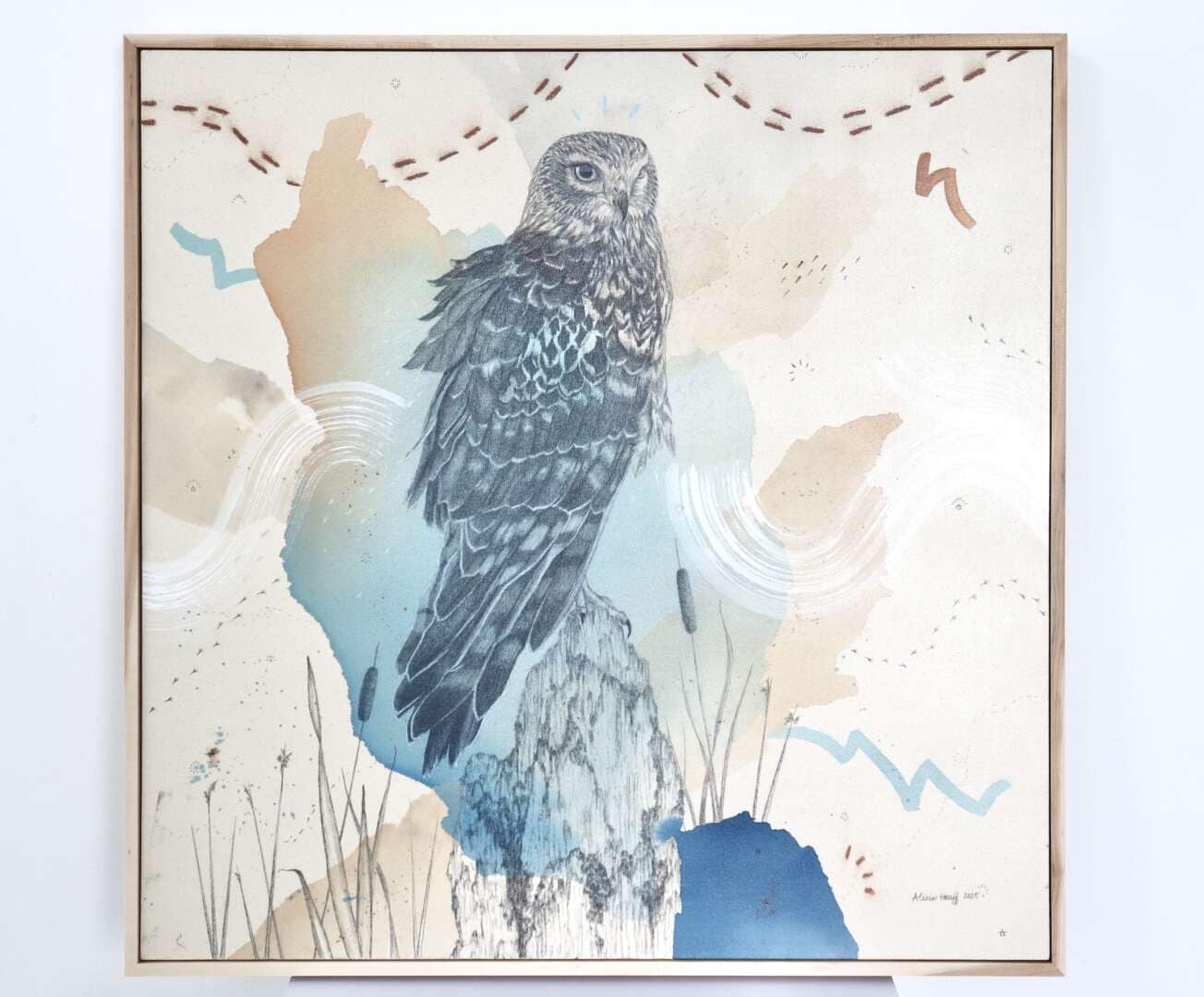
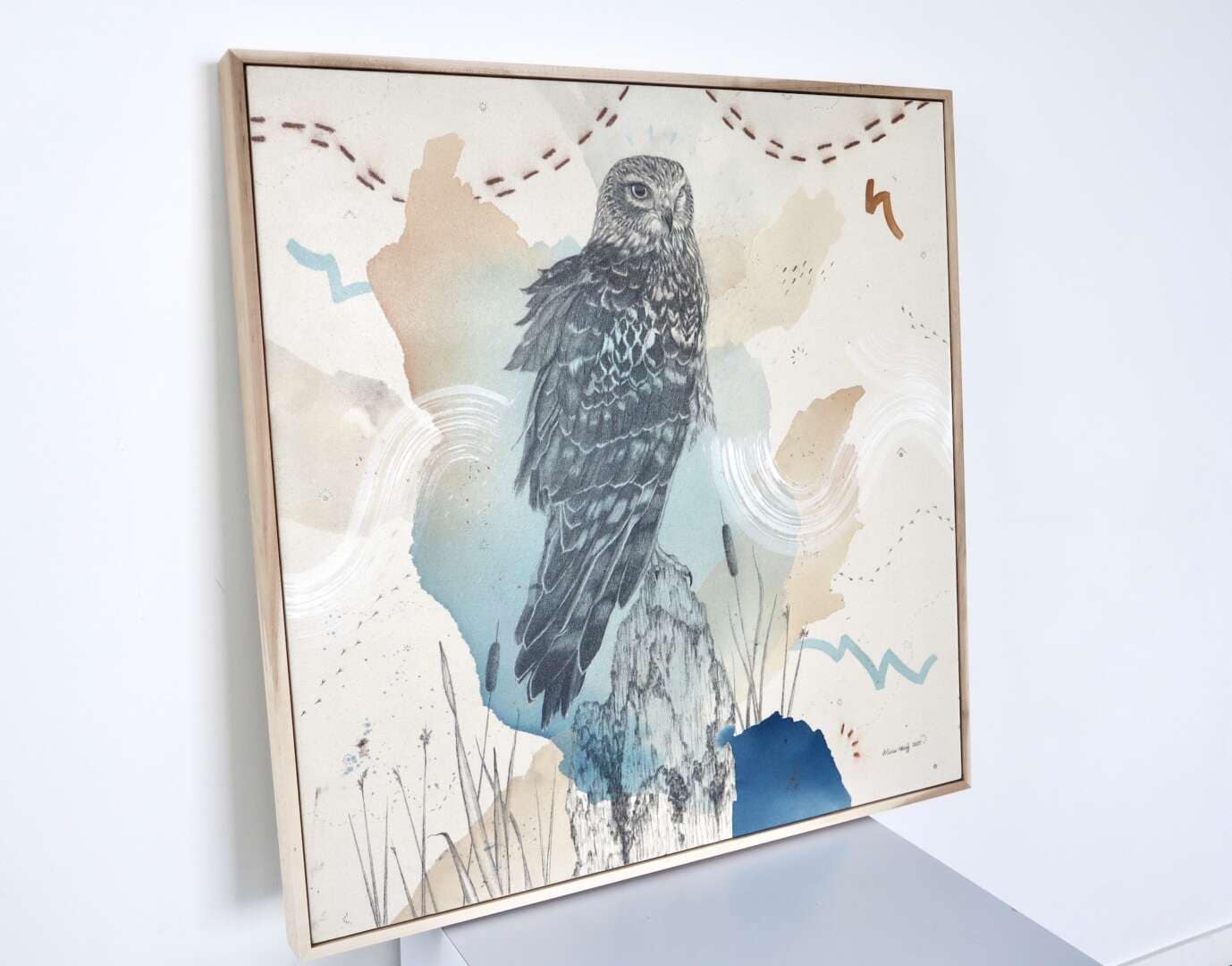
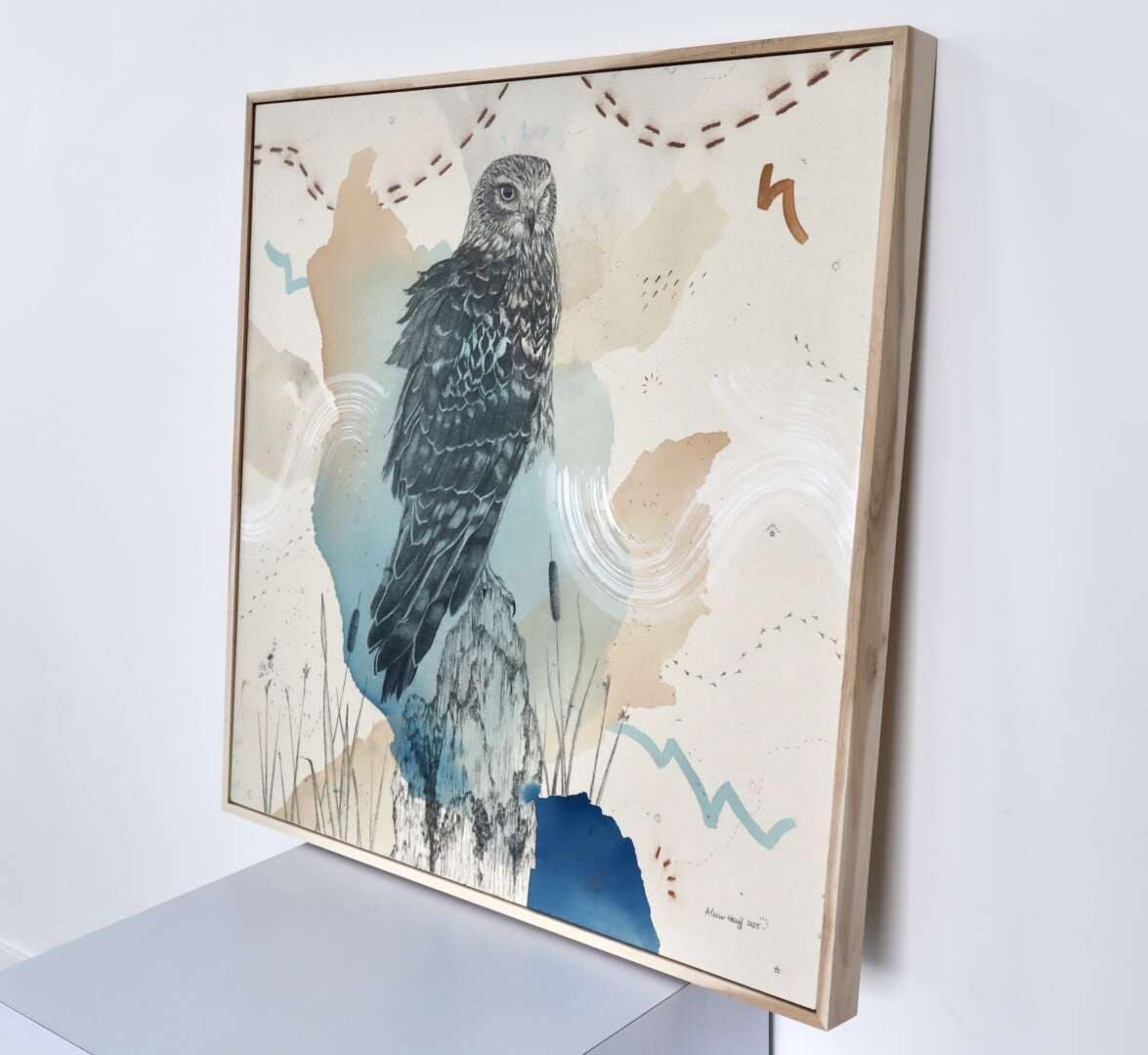
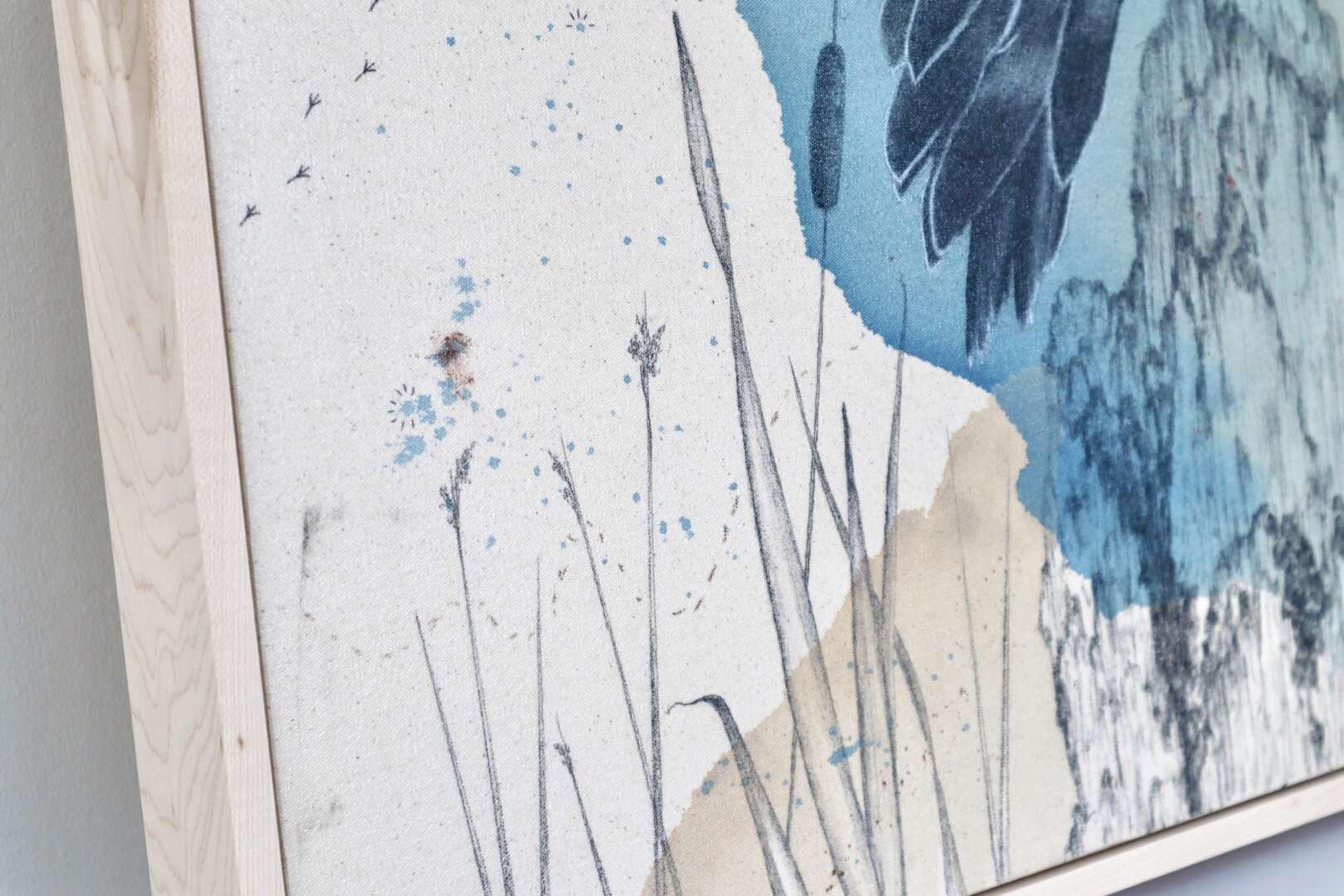
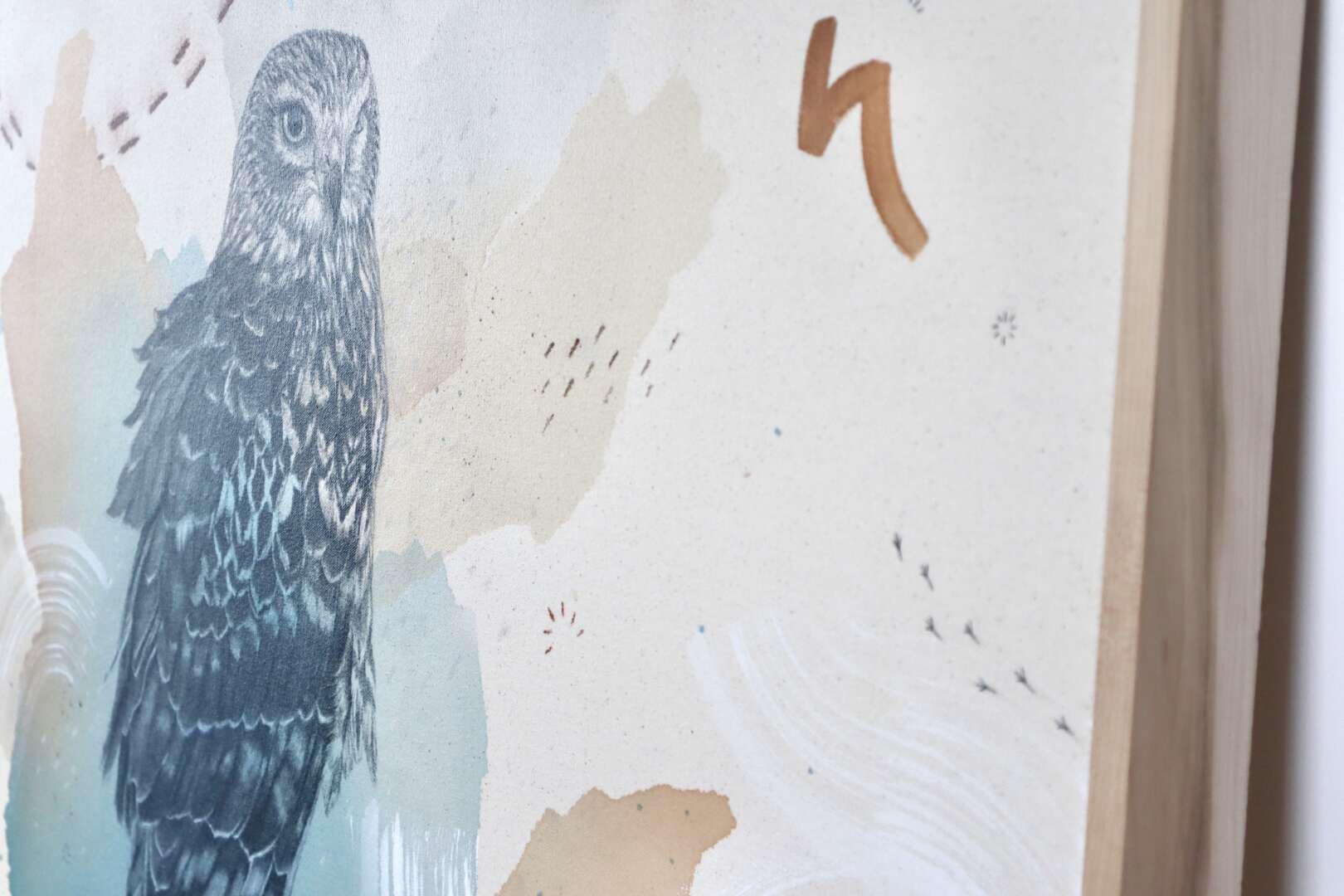
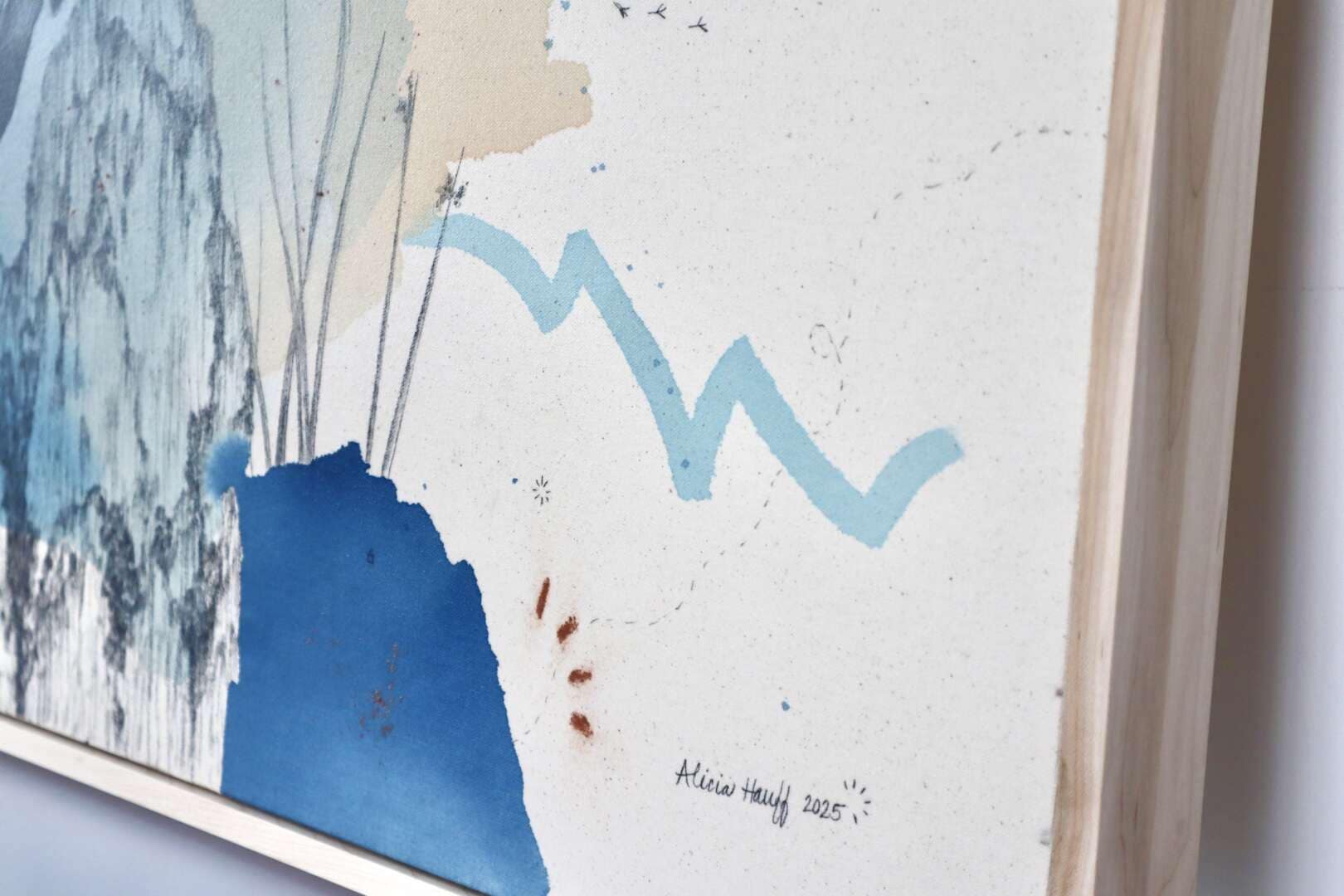
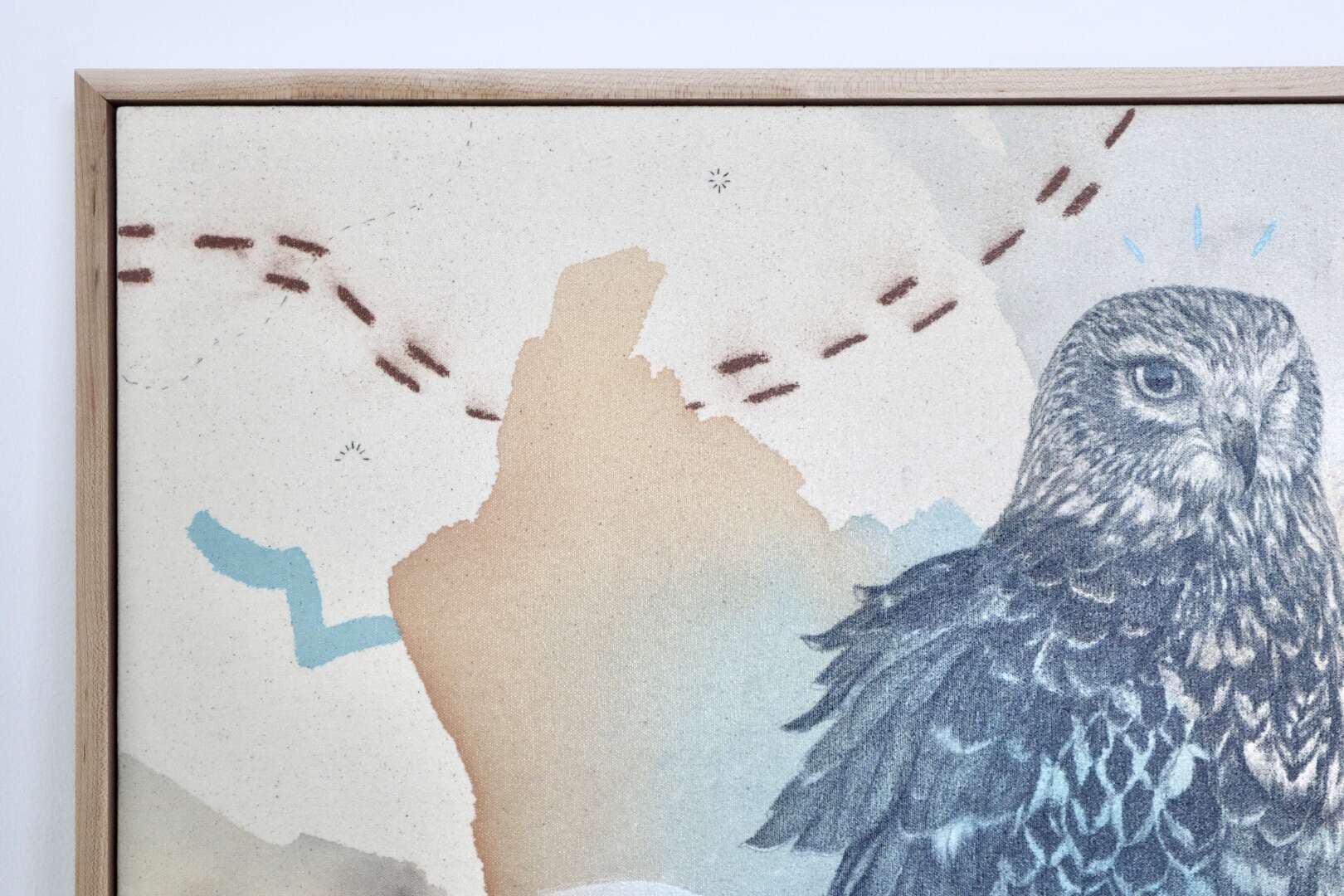
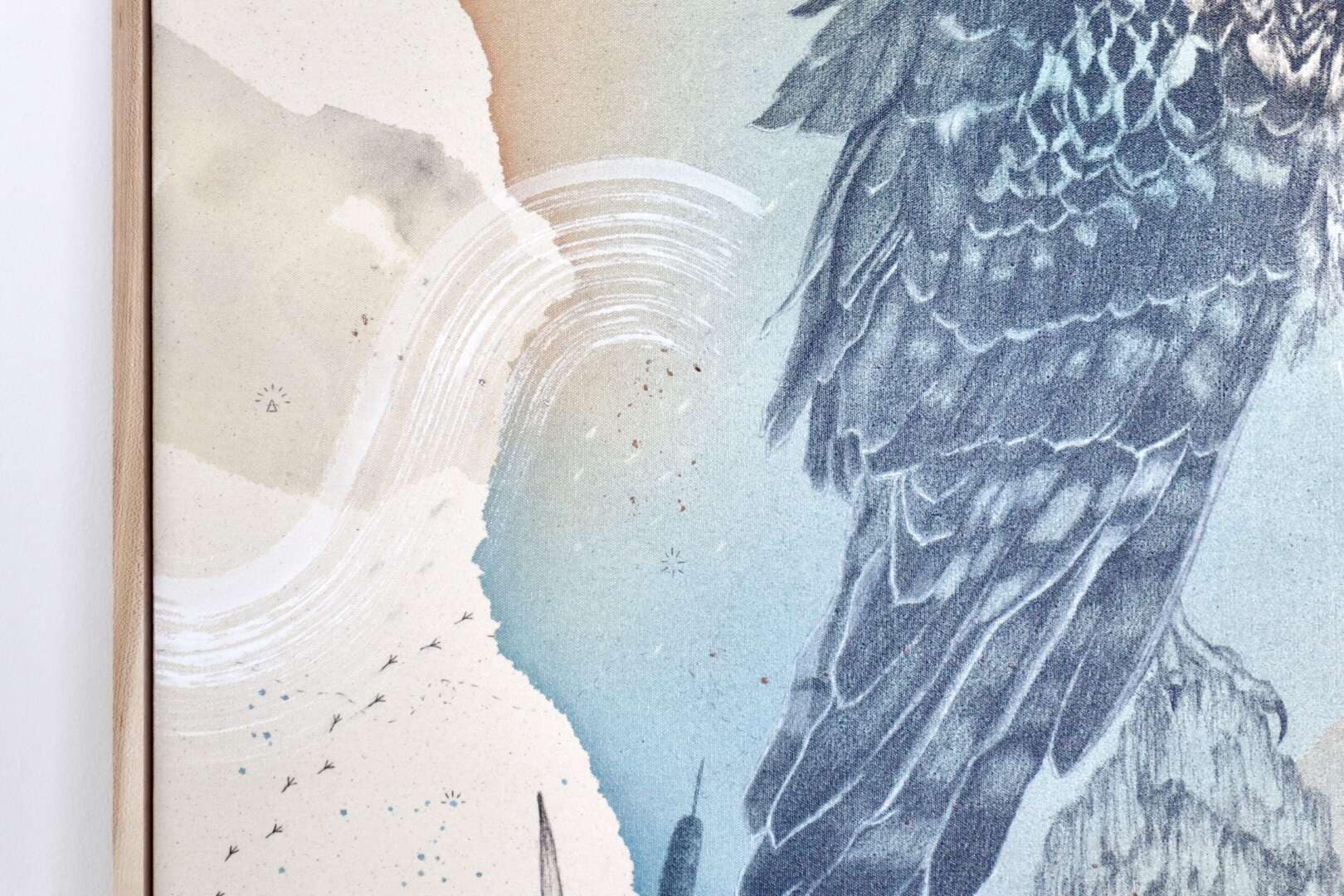
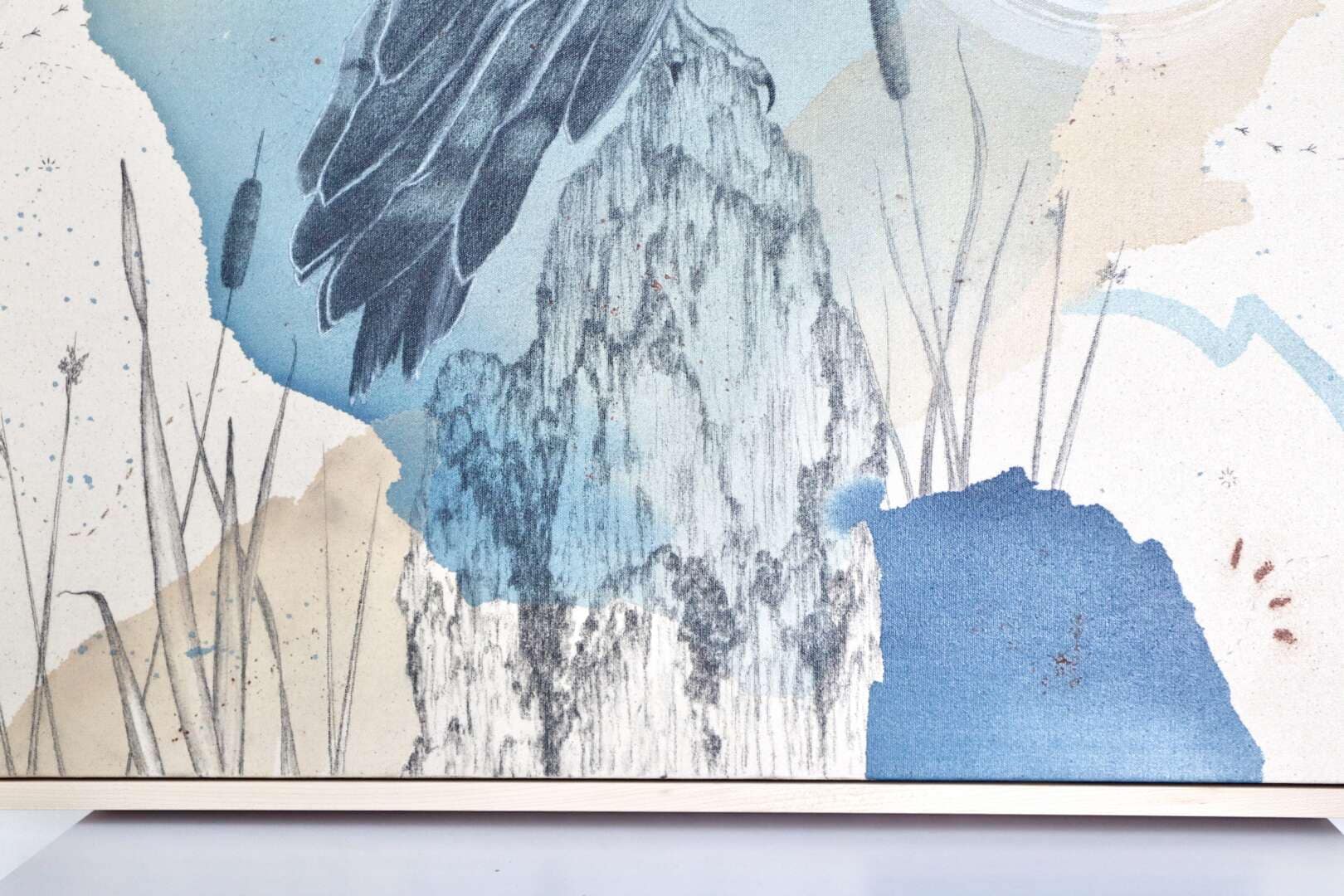
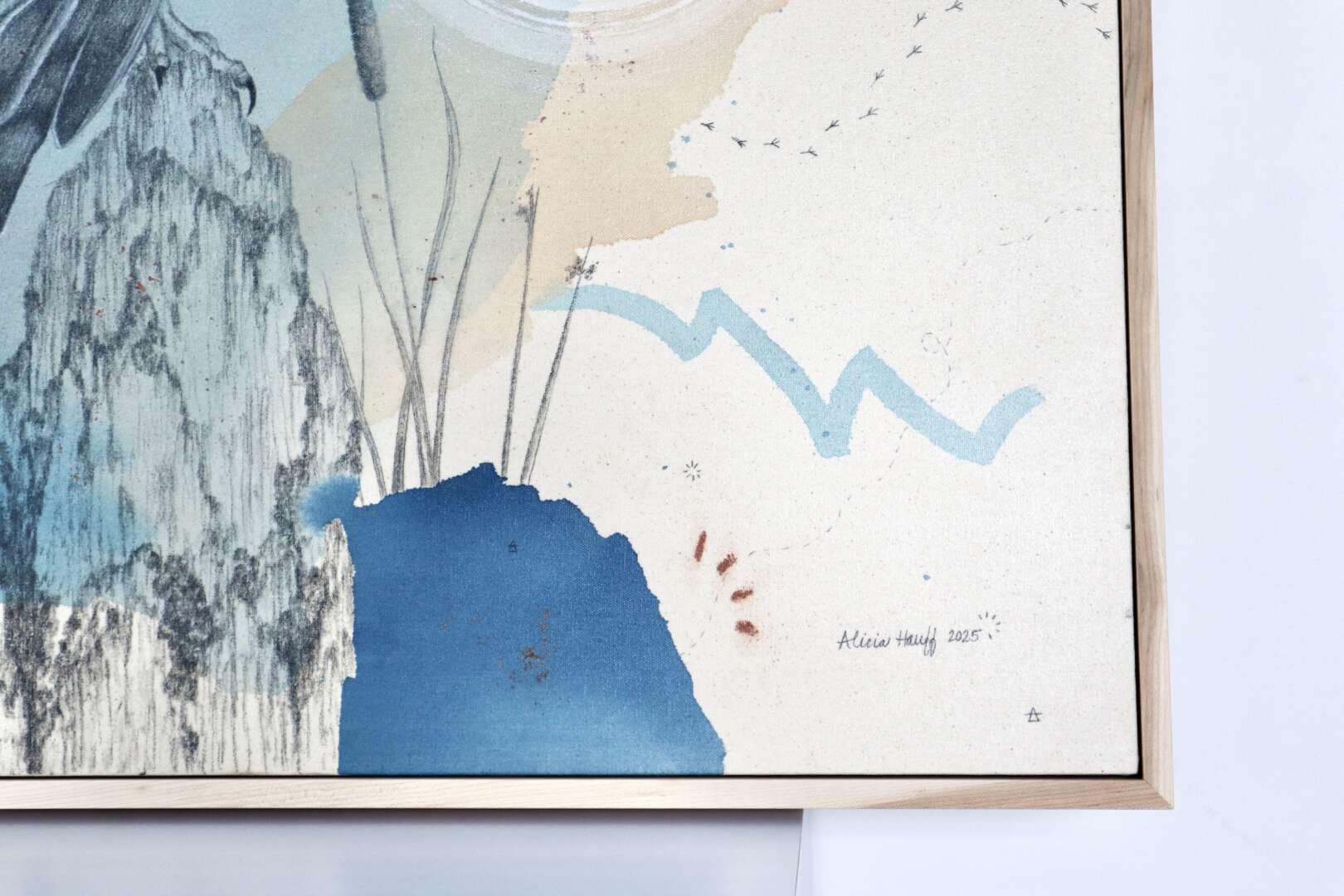
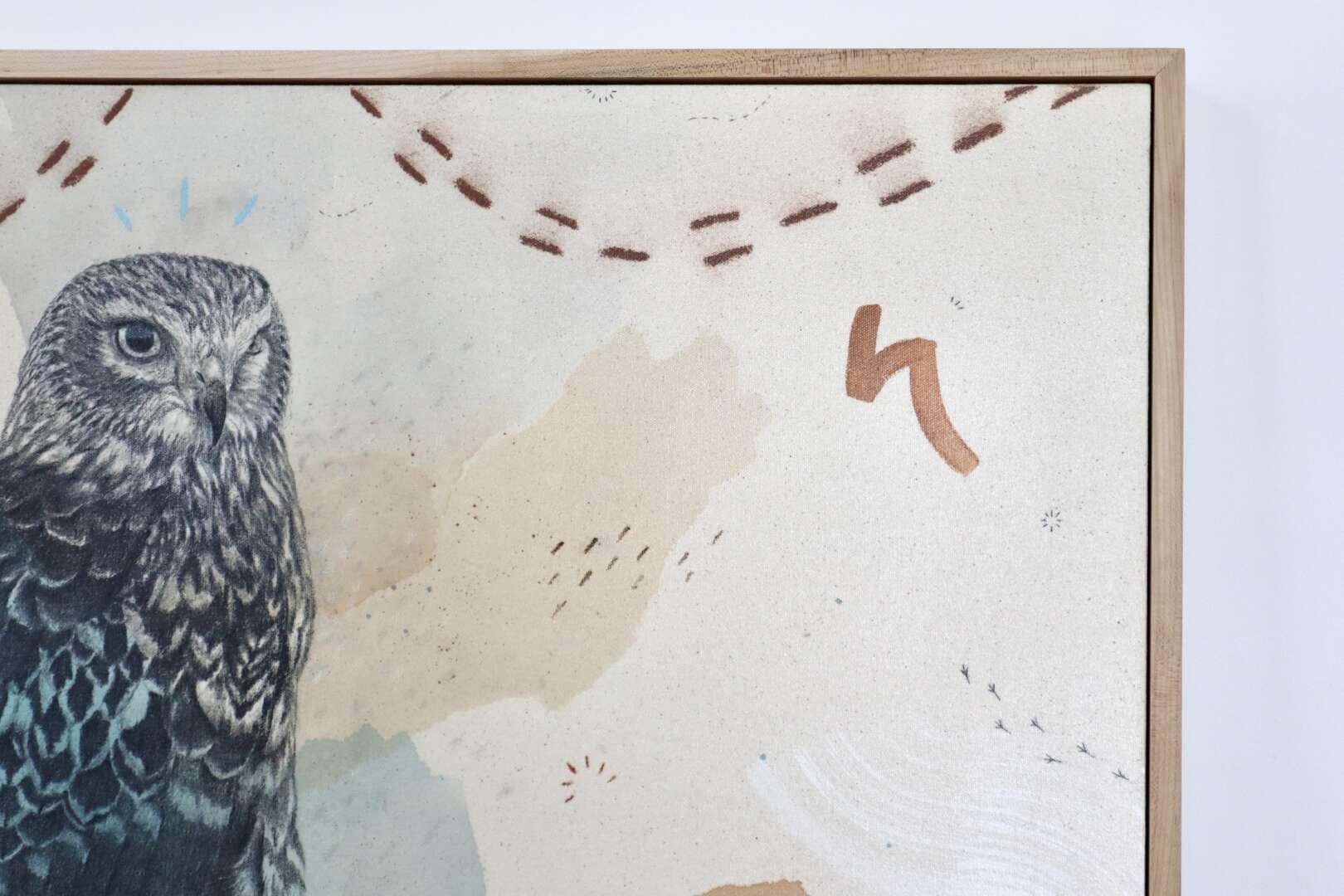
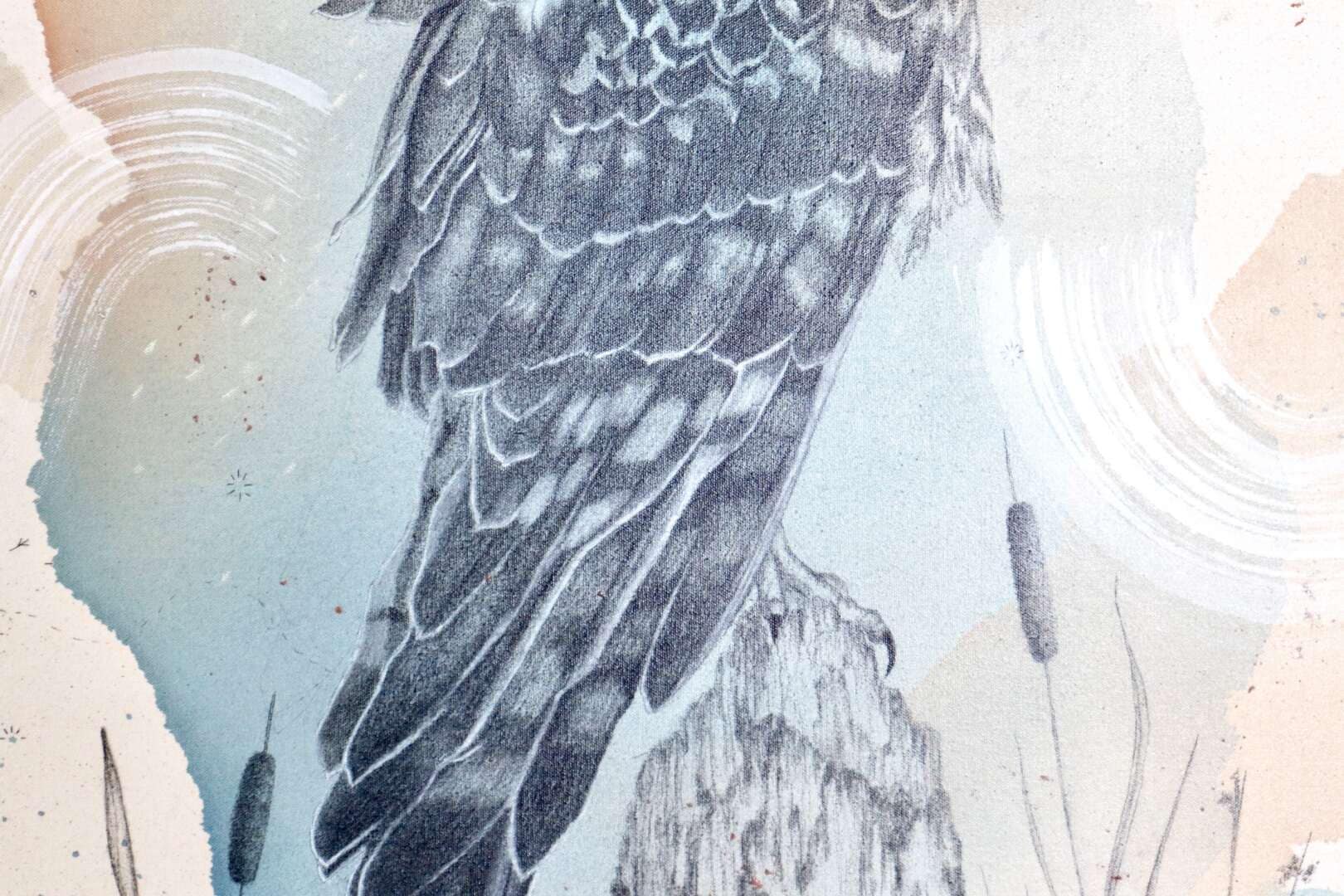
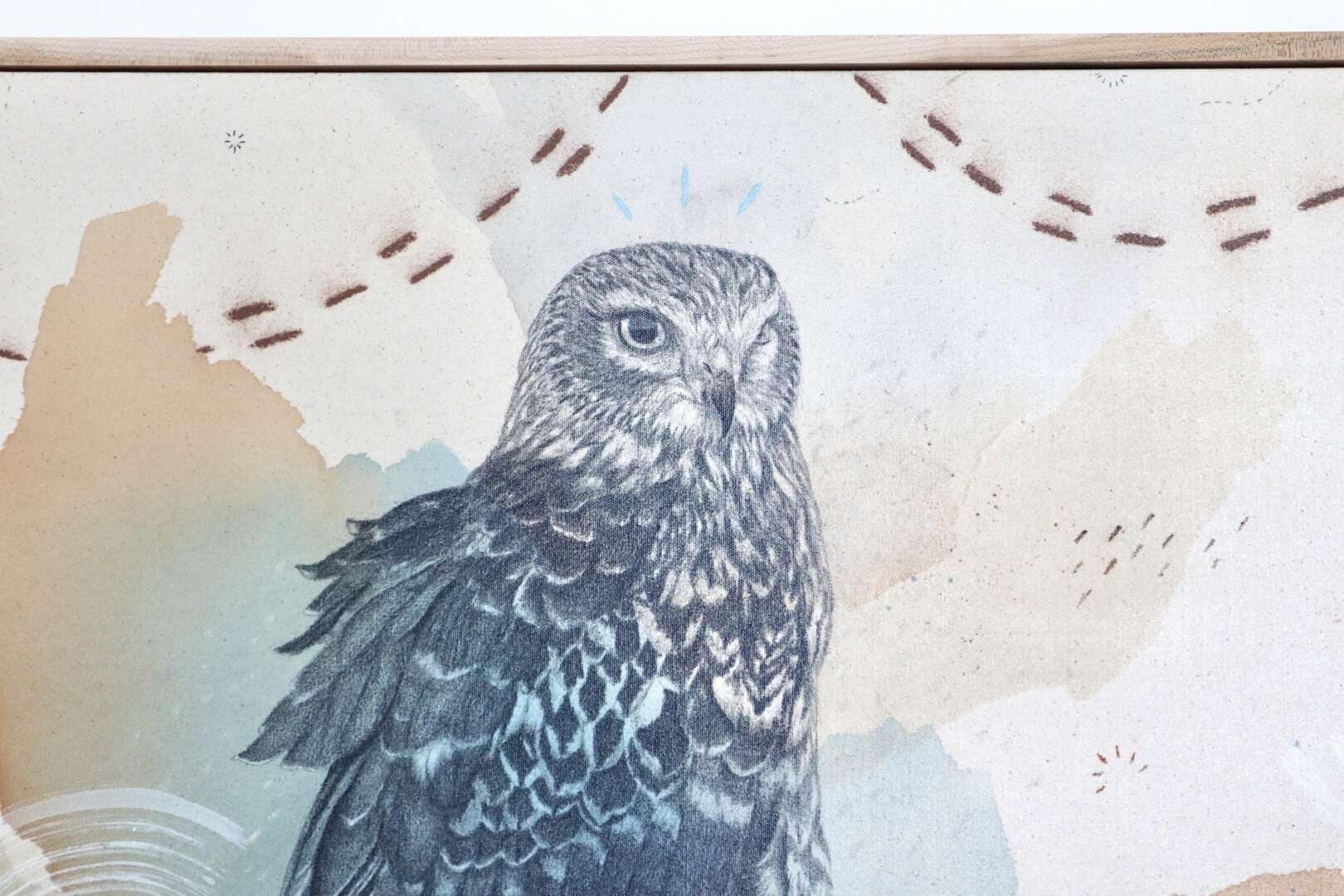
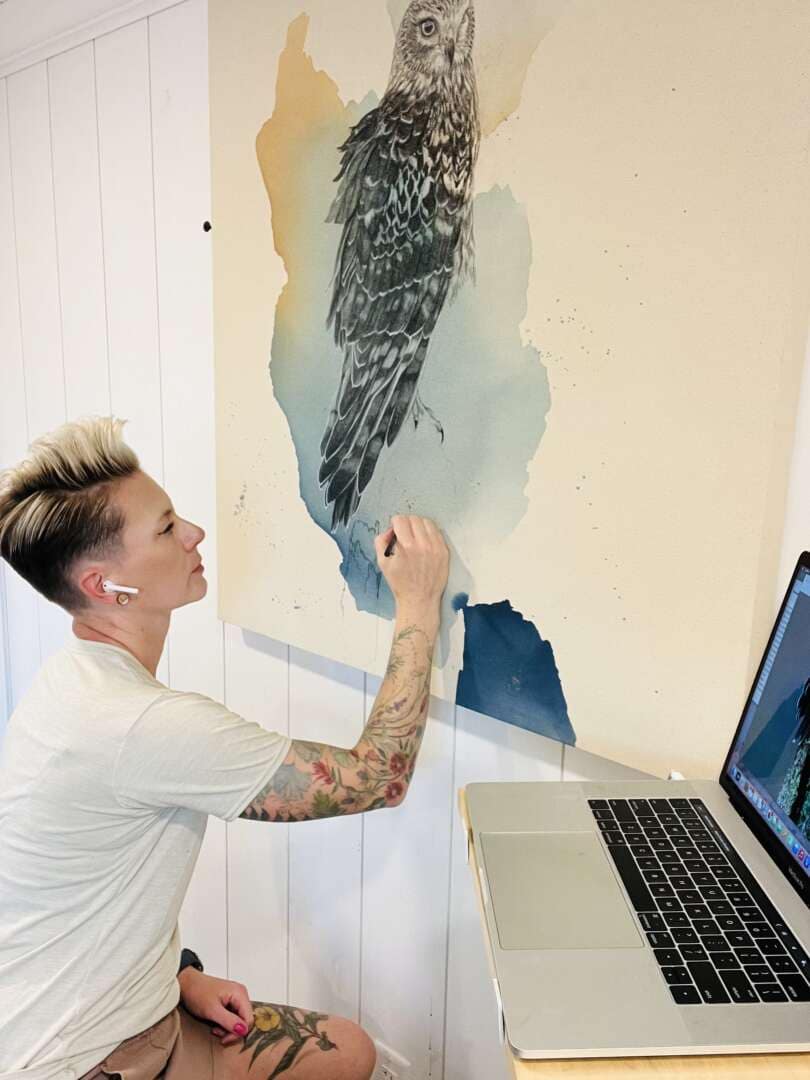
“Northern Harrier, Low Gliding Guide”
$2,074.00
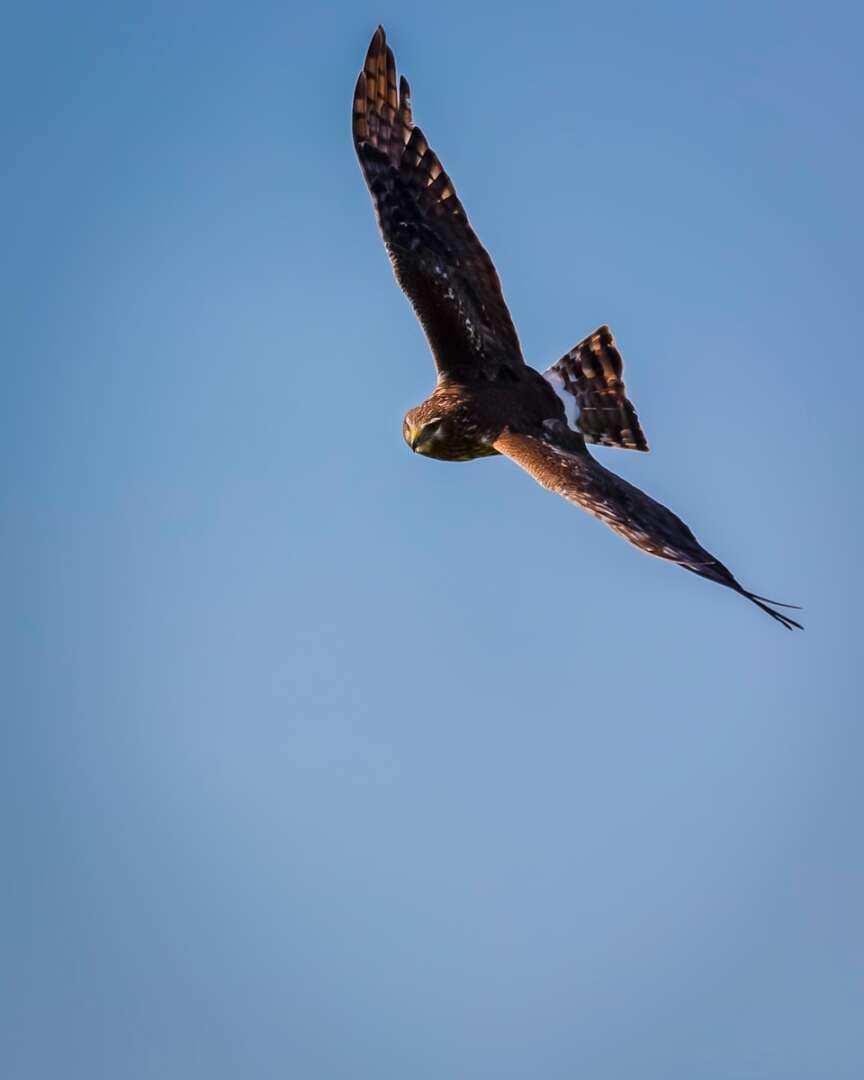
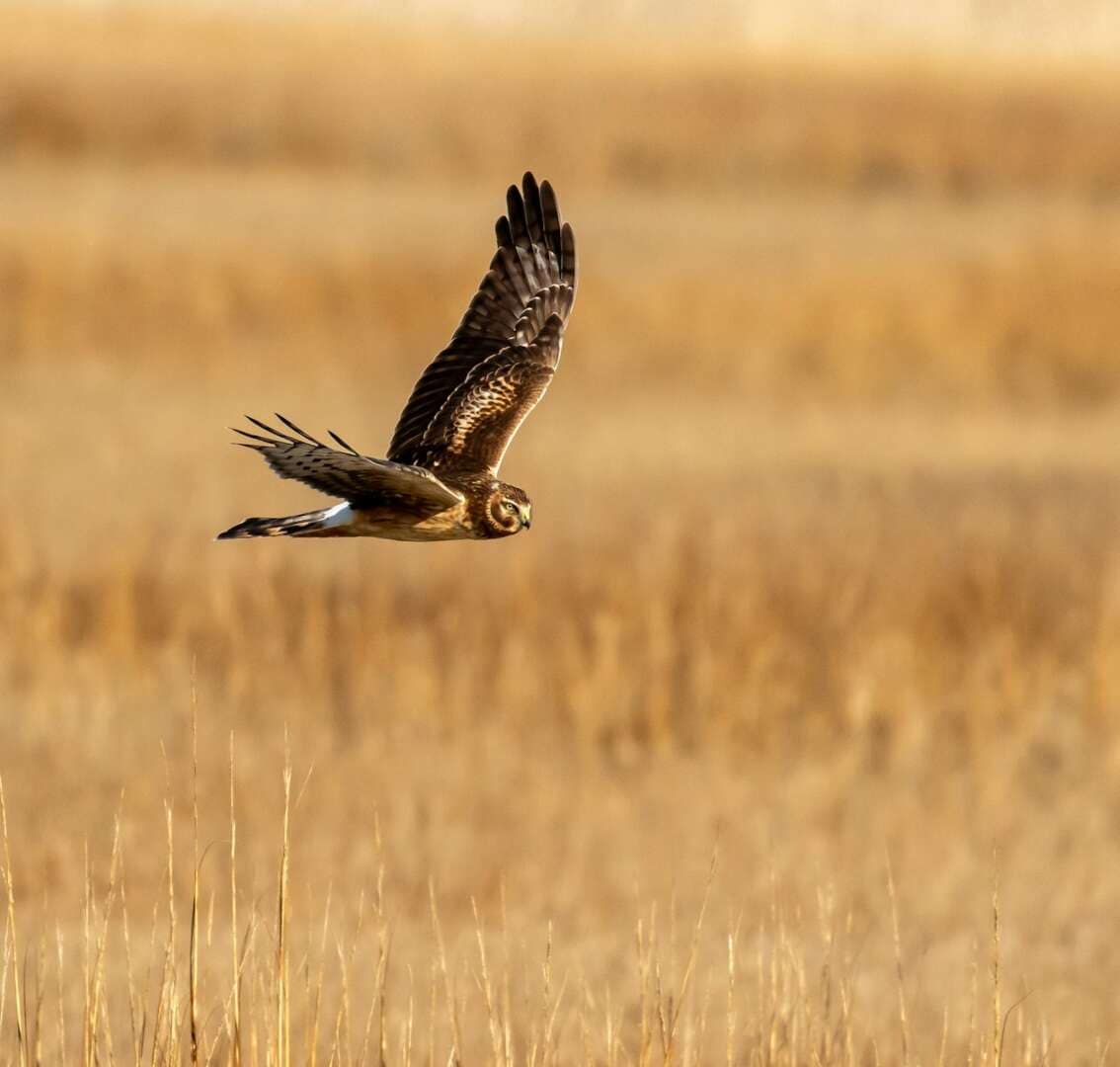
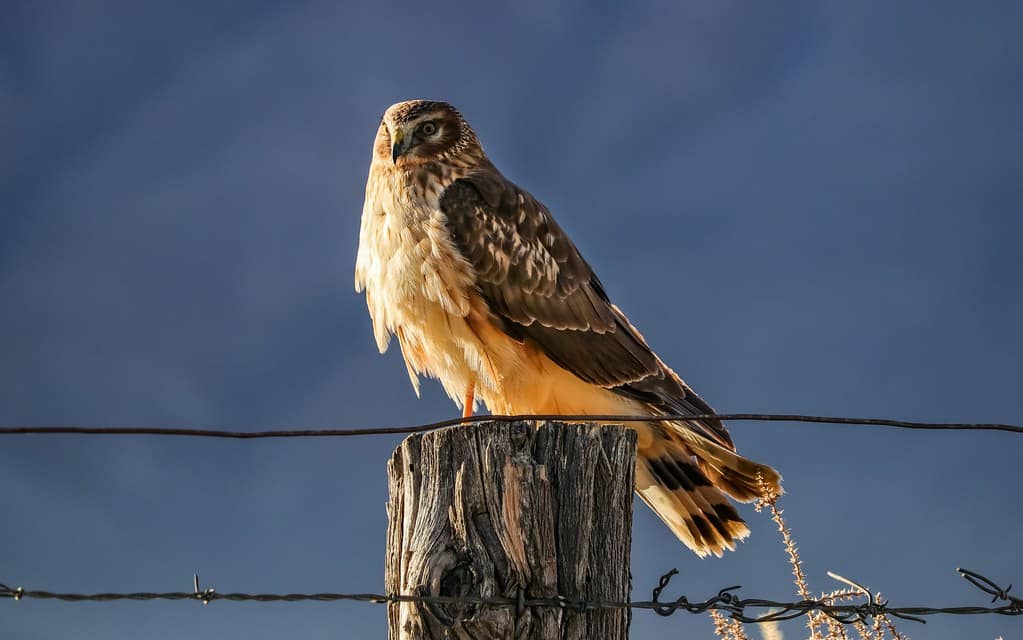
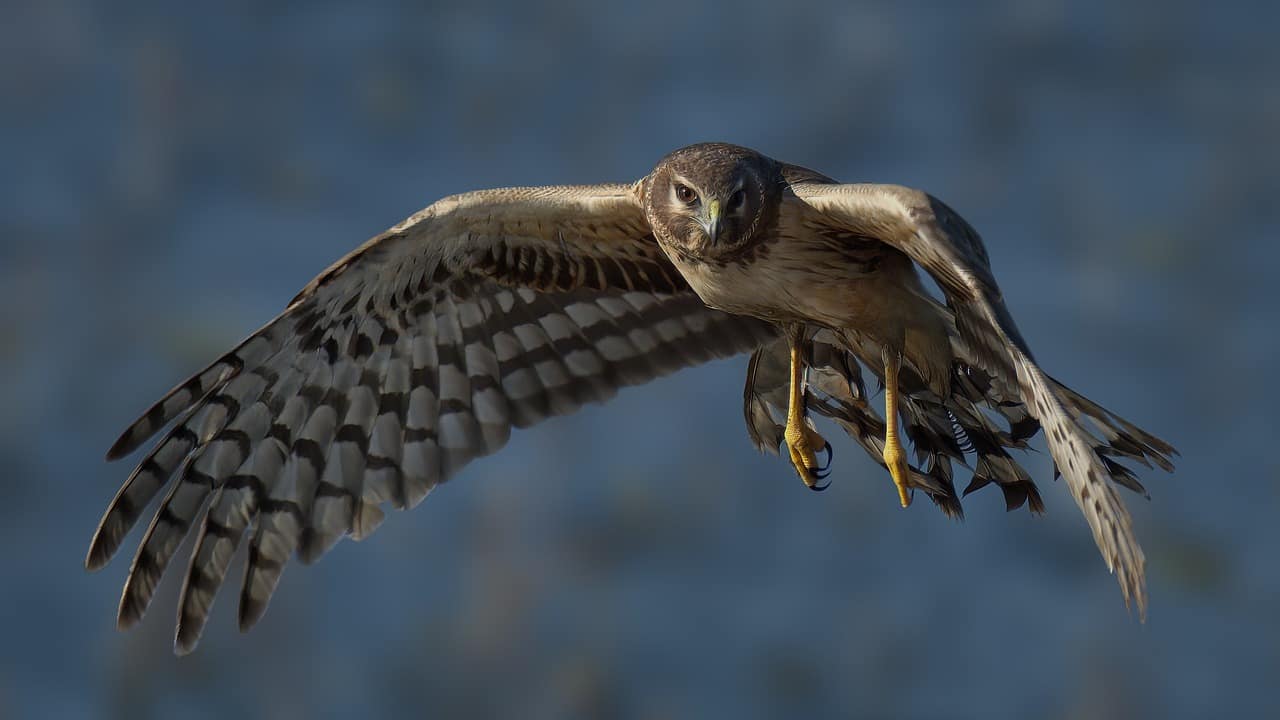
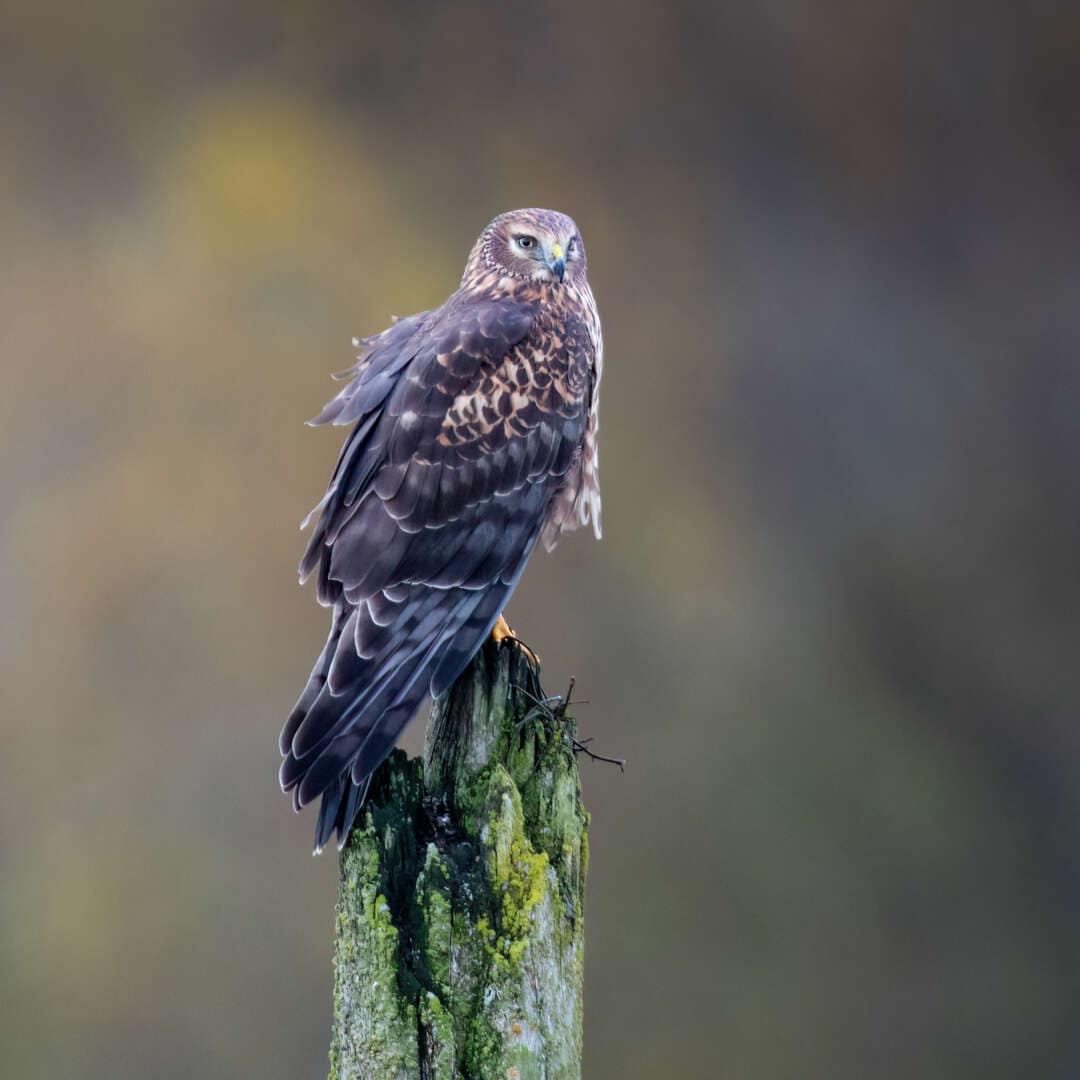
Formerly known as a Marsh Hawk, we go down low to the wetlands and fields to meet this bird. The Northern Harrier is distinctive from a long distance away: a slim, long-tailed hawk gliding low over a marsh or grassland, holding its wings in a V-shape and sporting a white patch at the base of its tail. Its owl-like facial disc helps it hear mice and voles beneath the vegetation. Each gray-and-white male may mate with several females, which are larger and brown. These unusual raptors have a broad distribution across North America. In fall through spring, look for harriers in wide-open grasslands, marshes, or fields. You’re most likely to notice Northern Harriers when they are flying. Note the low, slow, coursing flight style, the bird’s V-shaped wing posture, and its white rump. During migration in the fall and spring, you can also see harriers high in the sky over mountain ridges and coastlines.
In folklore around the world, hawks are revered as divine messengers, bringing insight, discernment, and clarity. They can be symbols of courage, power, and hunting prowess, and are sometimes seen as guardian spirits or spirit guides. Able to see the future, hawks also warned of impending danger or relayed divine intervention.
Fast facts:
- Juvenile males have pale greenish-yellow eyes, while juvenile females have dark chocolate brown eyes. The eye color of both sexes changes gradually to lemon yellow by the time they reach adulthood.
- The male provides most of the food for his mates (yes, plural) and their offspring, while the females incubate the eggs and brood the chicks. Either the male or female will choose a nest site, typically in thick vegetation on the ground. Juvenile harriers play (and hone their hunting skills) by pouncing on inanimate objects like vole-sized corncobs. In winter, Northern Harriers roost in groups on the ground, sometimes with Short-eared Owls. The larger females are dominant to the males.
- They breed in freshwater and brackish marshes, lightly grazed meadows, old fields, tundra, dry upland prairies, drained marshlands, high-desert shrubsteppe, and riverside woodlands across Canada and the northern United States.
- Habitat loss has contributed to reduced harrier populations as people have drained wetlands, developed land for large-scale agriculture, and allowed old farmland to become reforested. The small mammals that harriers prey upon have been reduced because of overgrazing, pesticides, and reduced shrub cover from crop field expansion. Because they eat small mammals, Northern Harriers are susceptible to the effects of pesticide buildup as well as direct effects from eating poisoned animals. In the mid-twentieth century their populations declined from contamination by DDT and other organochlorine pesticides but rebounded after DDT restrictions went into effect in the 1970s.
Sources: Audubon Society and Cornell Lab of Ornithology
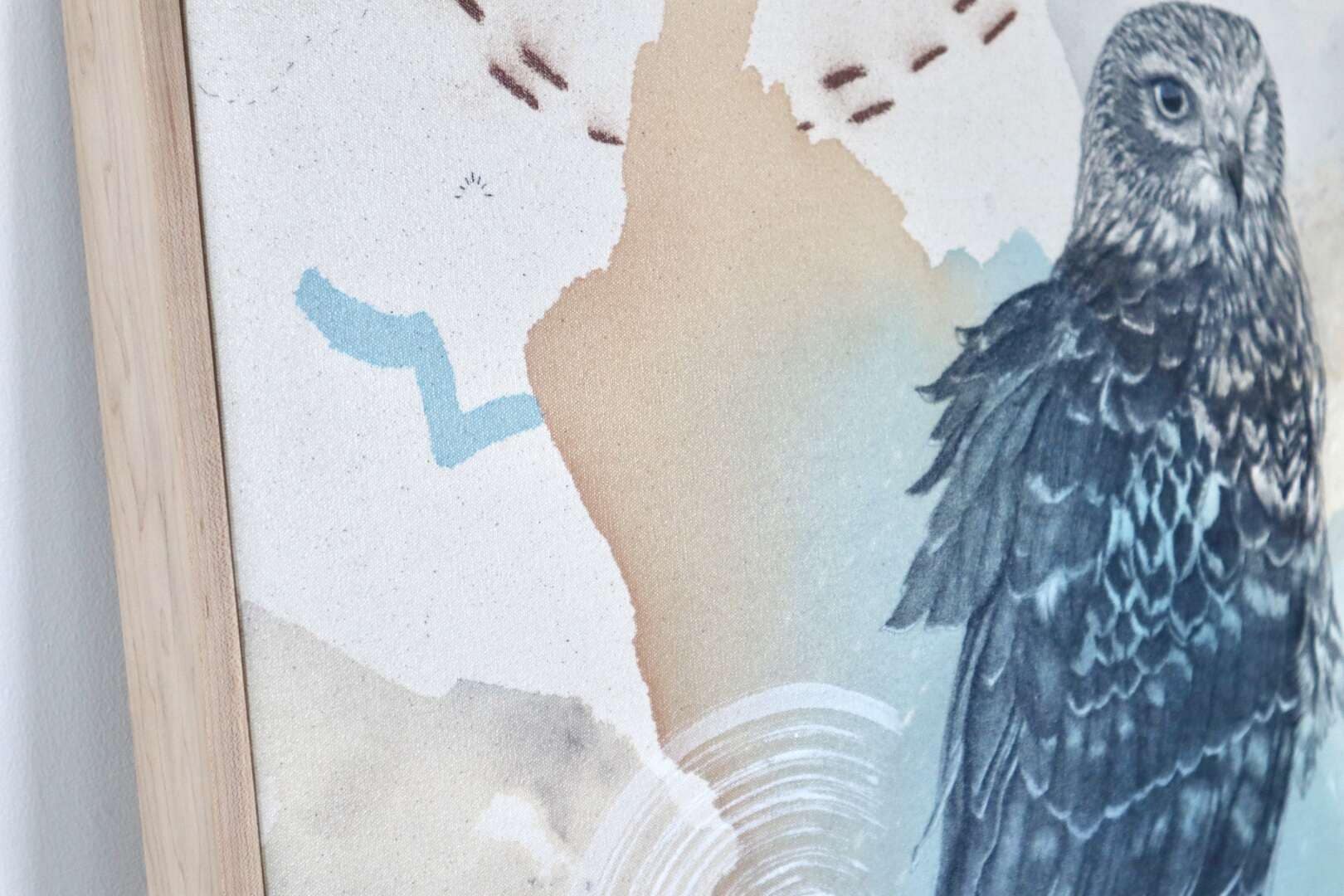
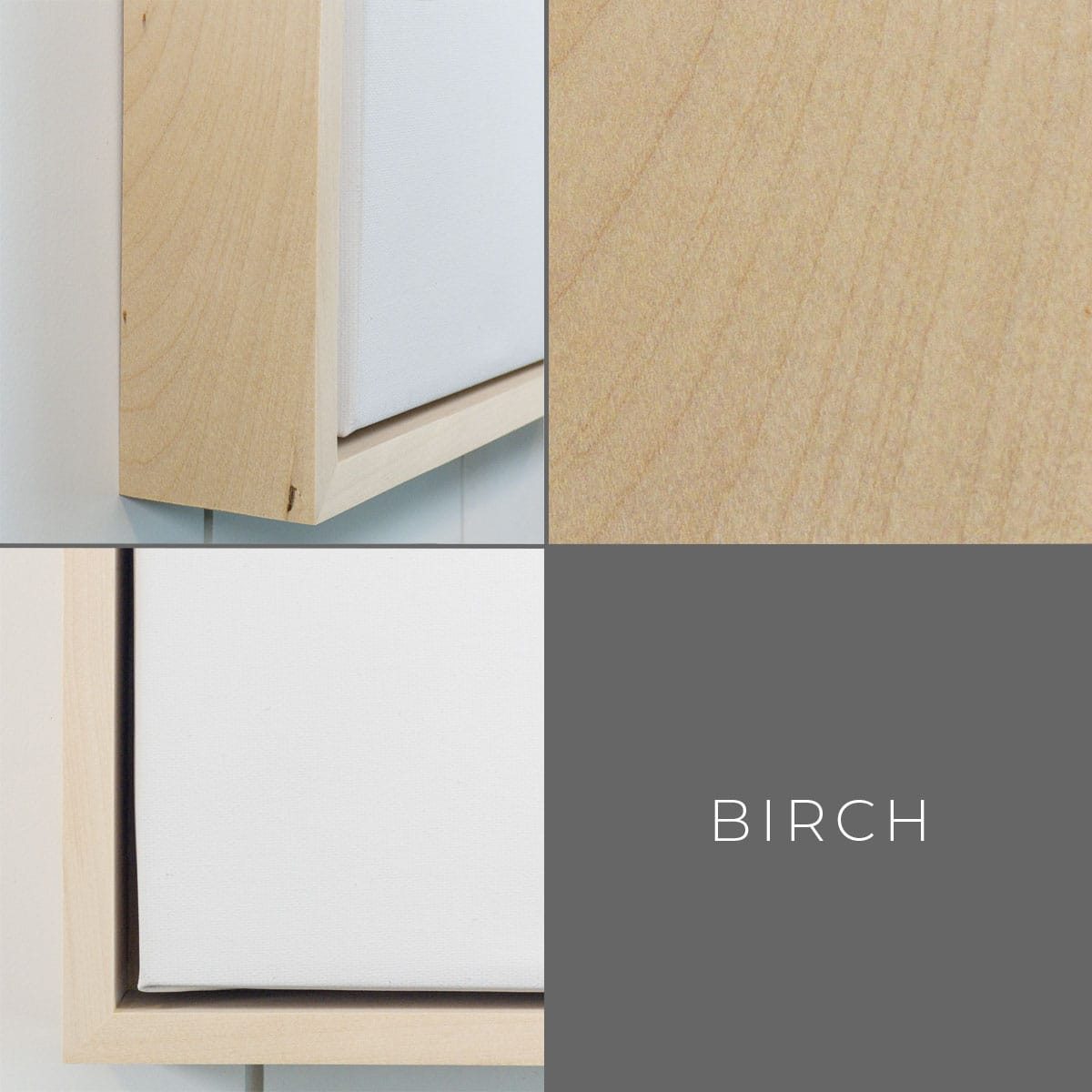
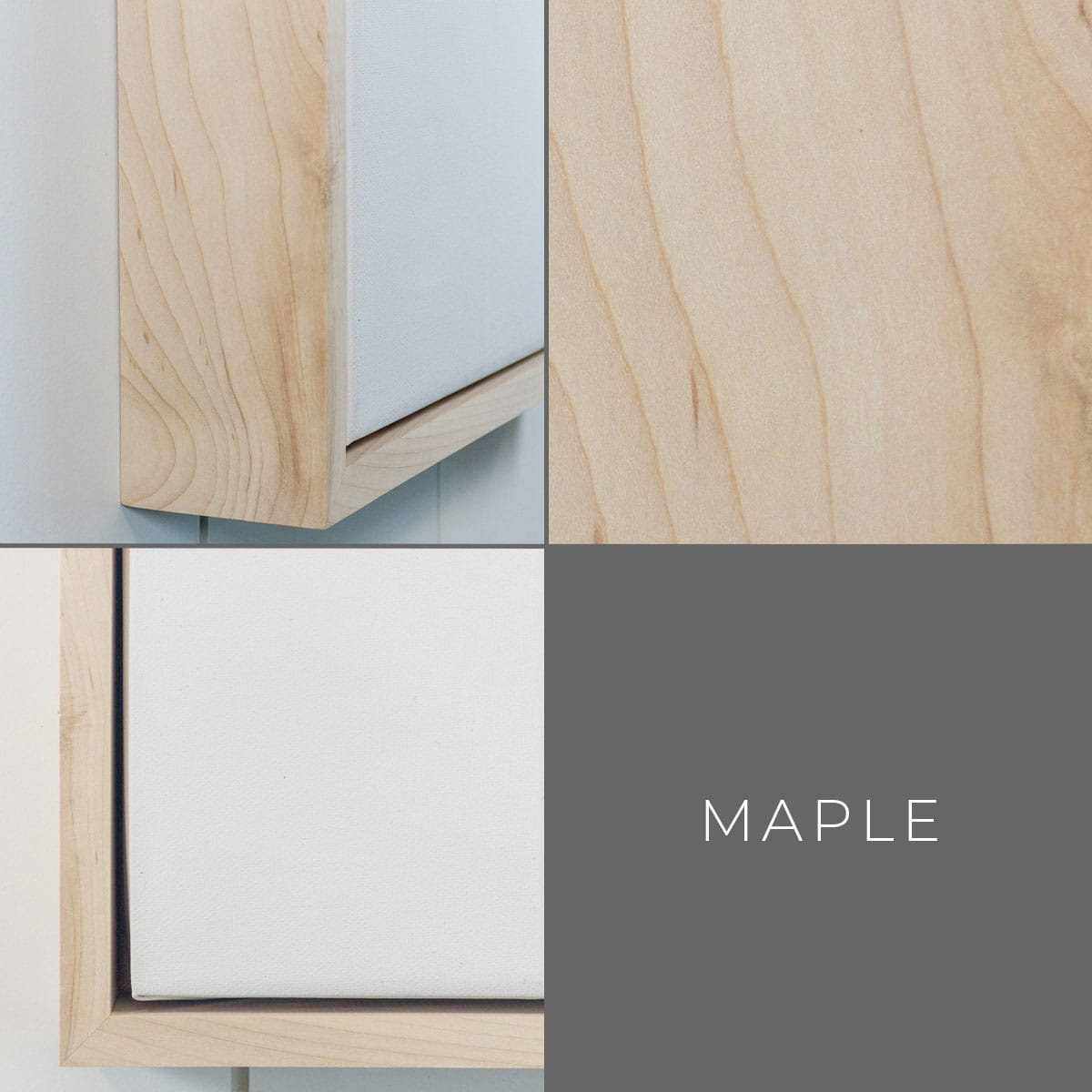
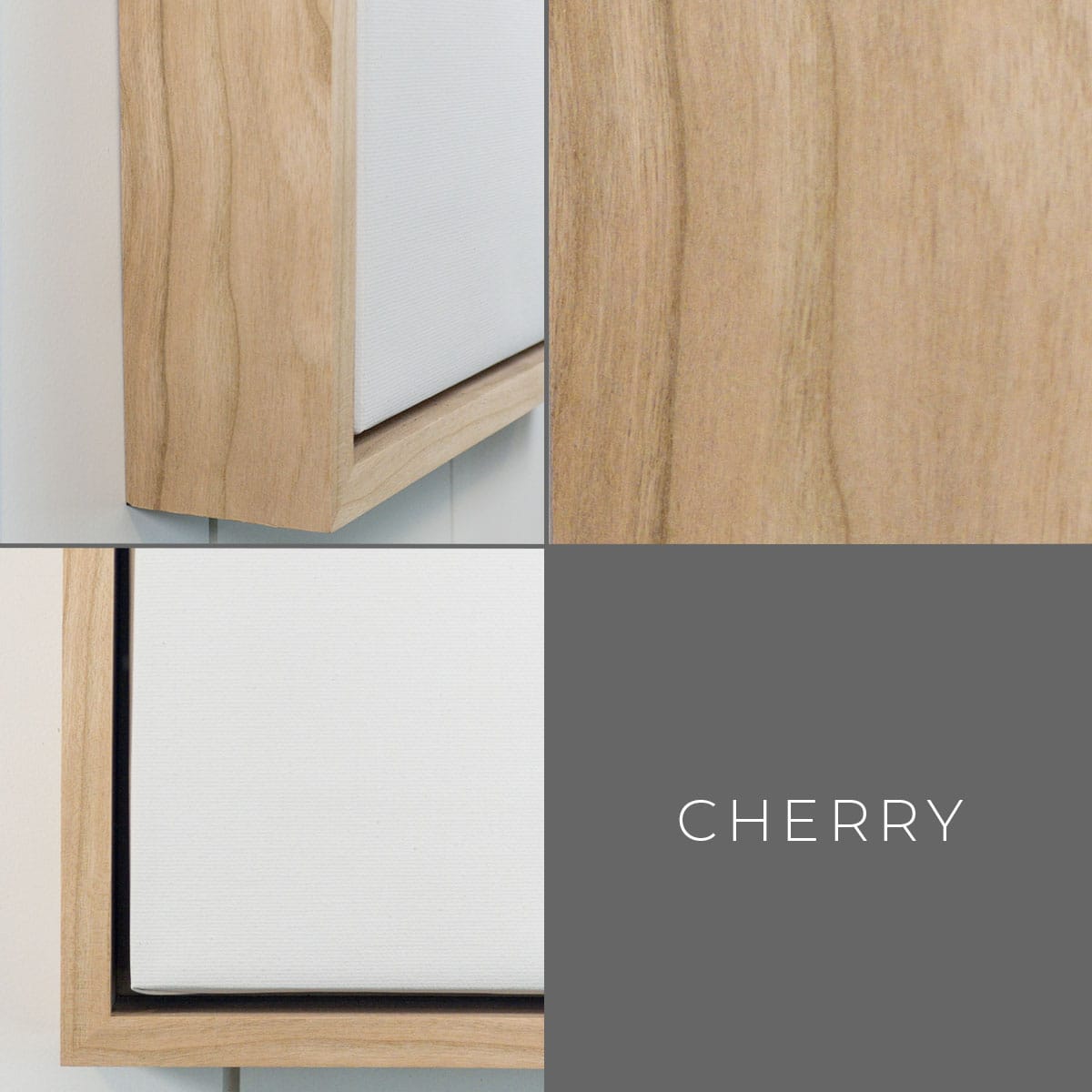
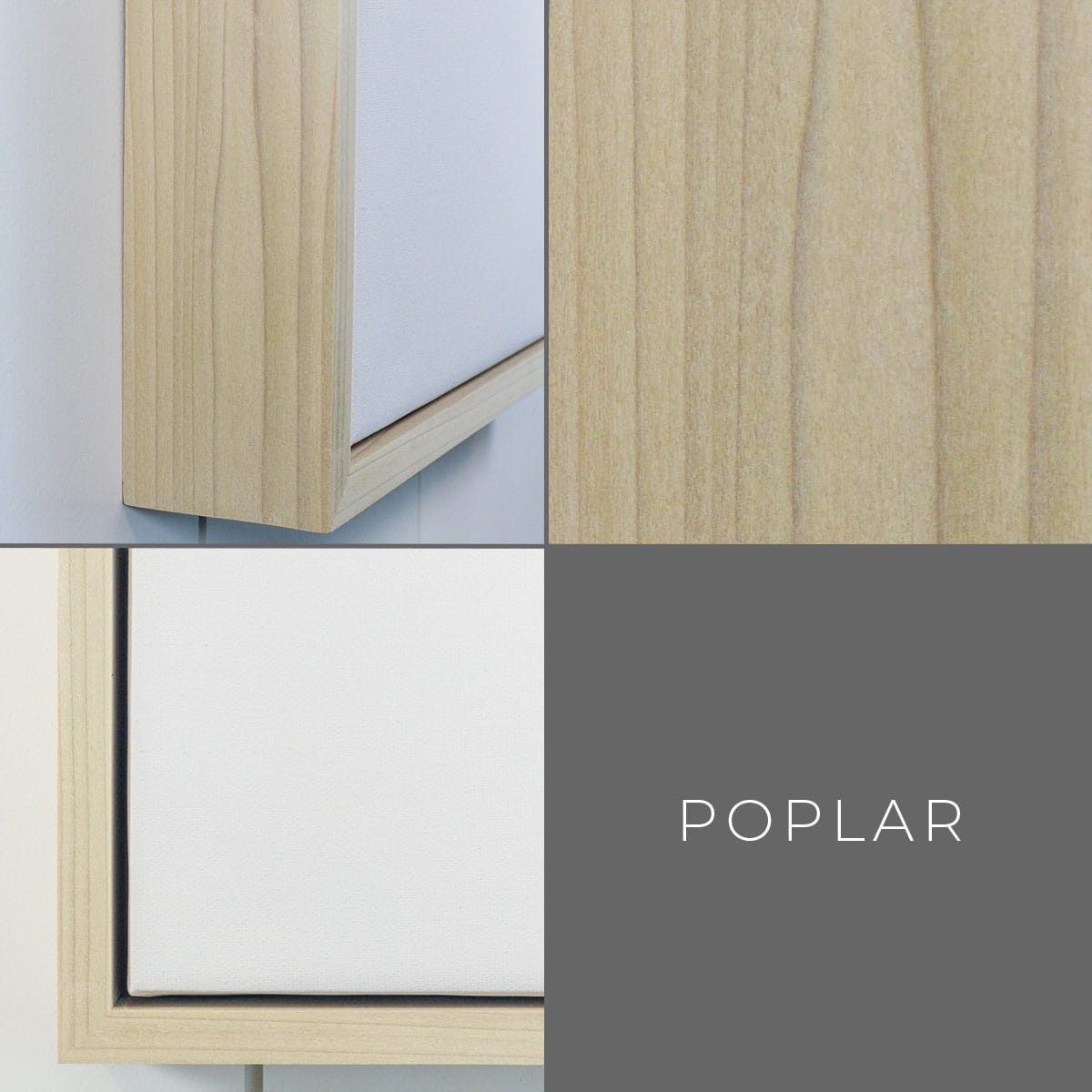
Original mixed media on raw stretched canvas with hard maple float frame.
Alternative hardwood frame available upon request at no extra cost. Email with inquiries.
Frame Details: Framed in hard maple
Framed Size: 37x37x2.5(inches)
View Frame Options Gallery >
We offer hand made custom frames constructed from natural wood of your choice. Click on the photos below to open and preview the frame options.
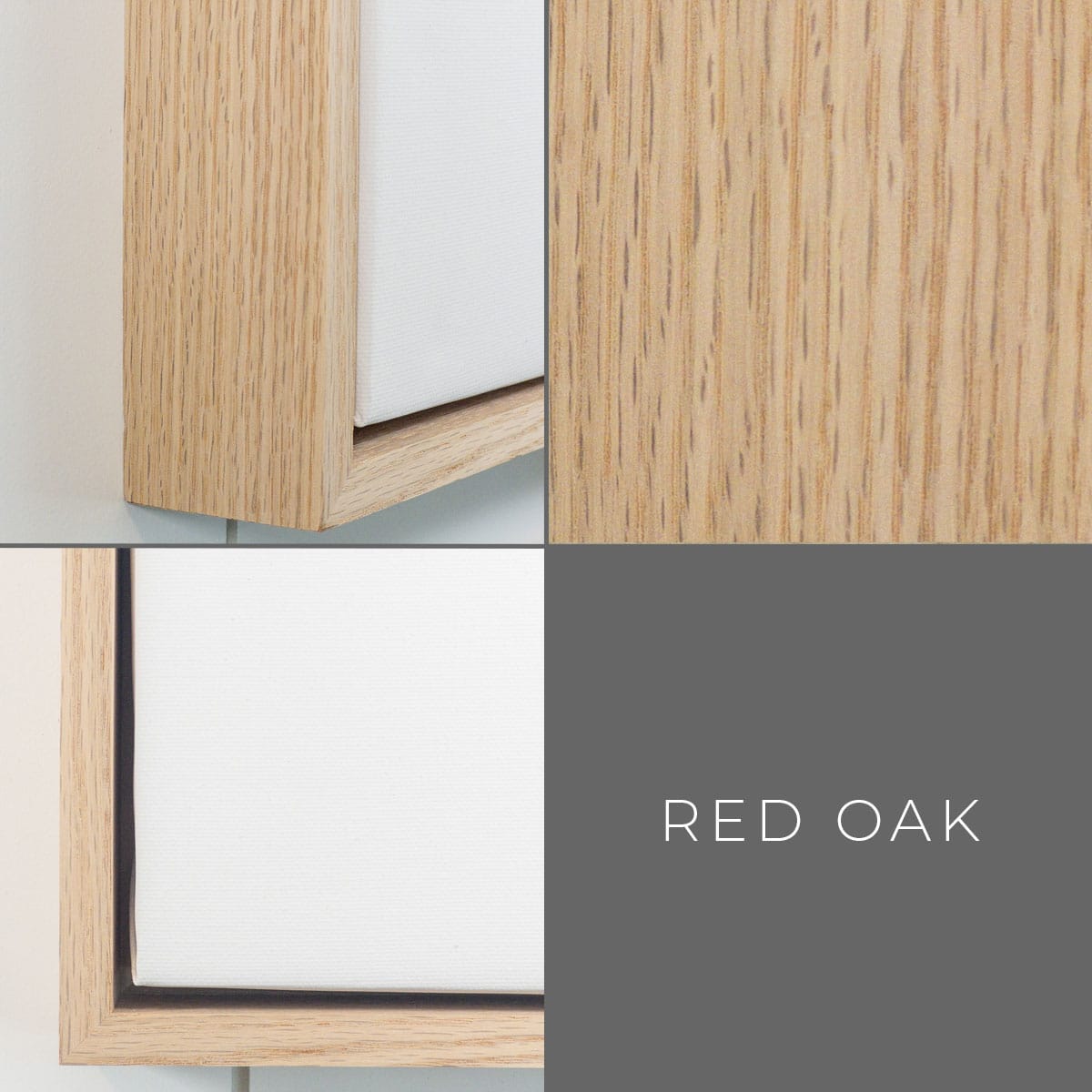
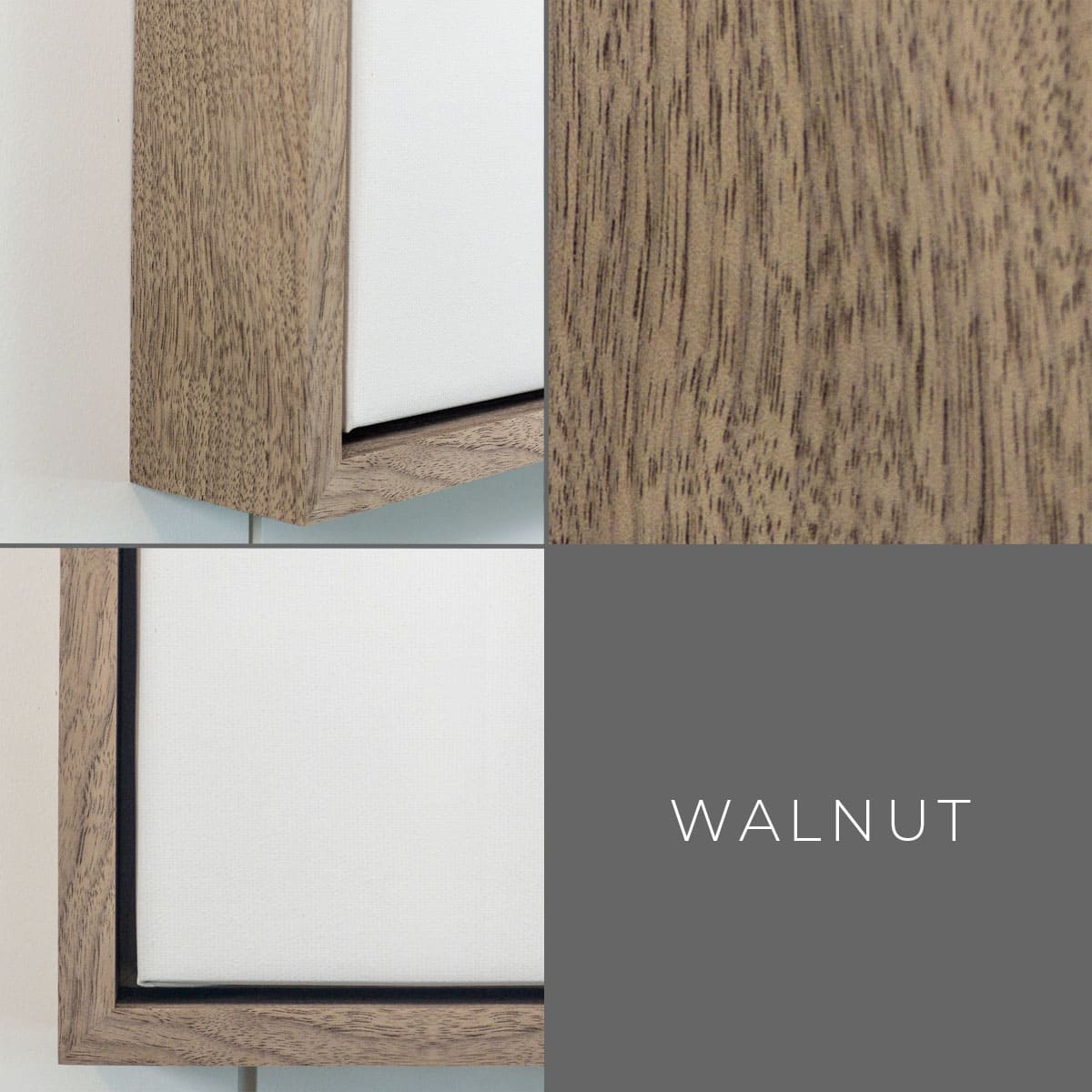
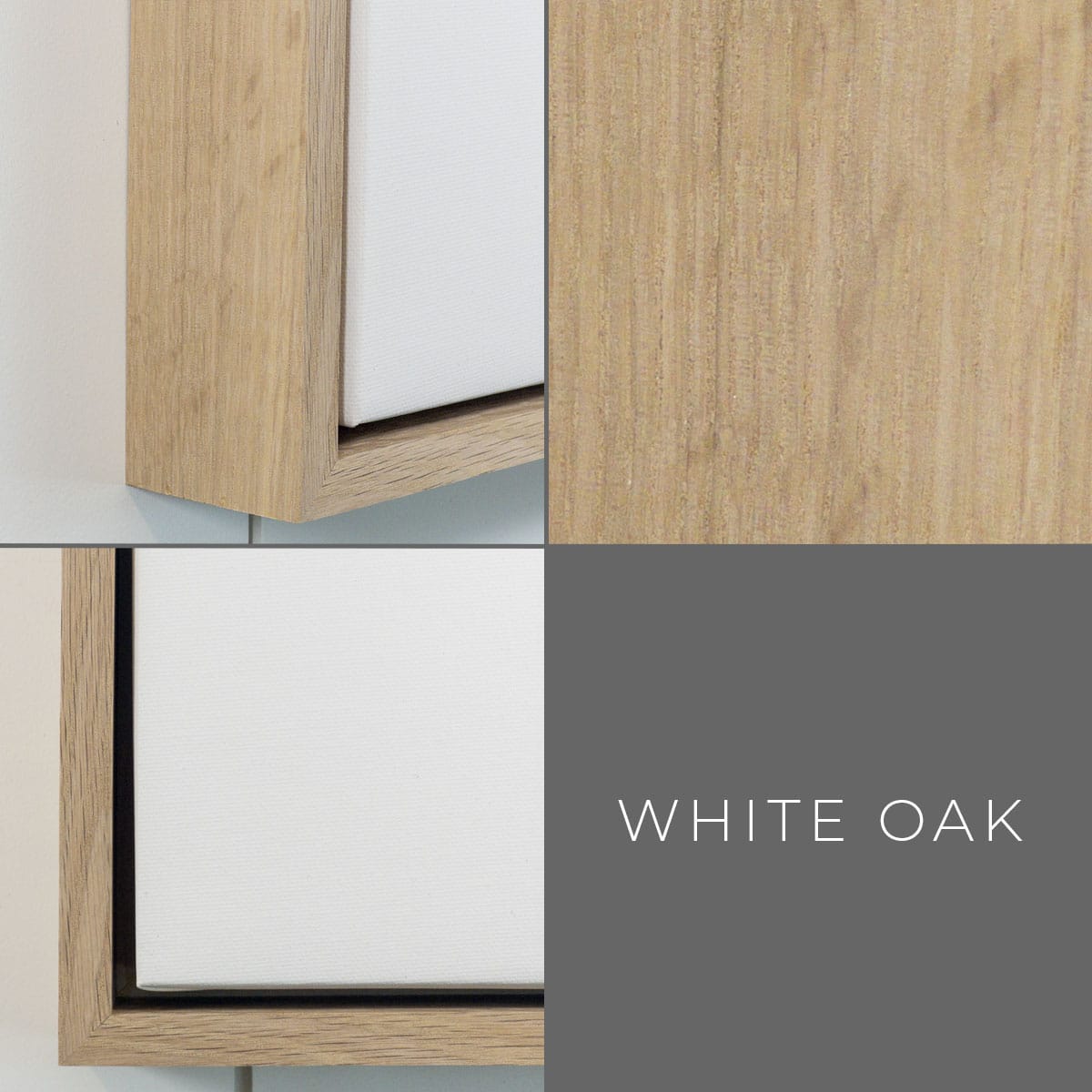
All orders will be shipped in 3-10 business days via USPS Priority mail, UPS or FedEx, depending on the size of the item and whether framing was desired. For medium to larger works, and if crating is needed to safely ship, it will be UPS or FedEX. USPS can ship larger works but it is a lot more expensive!
If I anticipate framing will take longer for any reason, I will reach out and let you know! You will receive a tracking number via email once the work has shipped.
If you are in the Fargo-Moorhead area and wish to pick it up, please select STUDIOPICKUP at checkout. I will have a table in the front lobby with your piece labeled for pick-up between the hours of 8 AM and 5 PM. I will always try to say hello if I am in the studio!
Thank you for supporting a small business!
Shop My Artwork


Footer