
Alicia Hauff Studio
Mixed Media Fine Artist in Fargo, ND
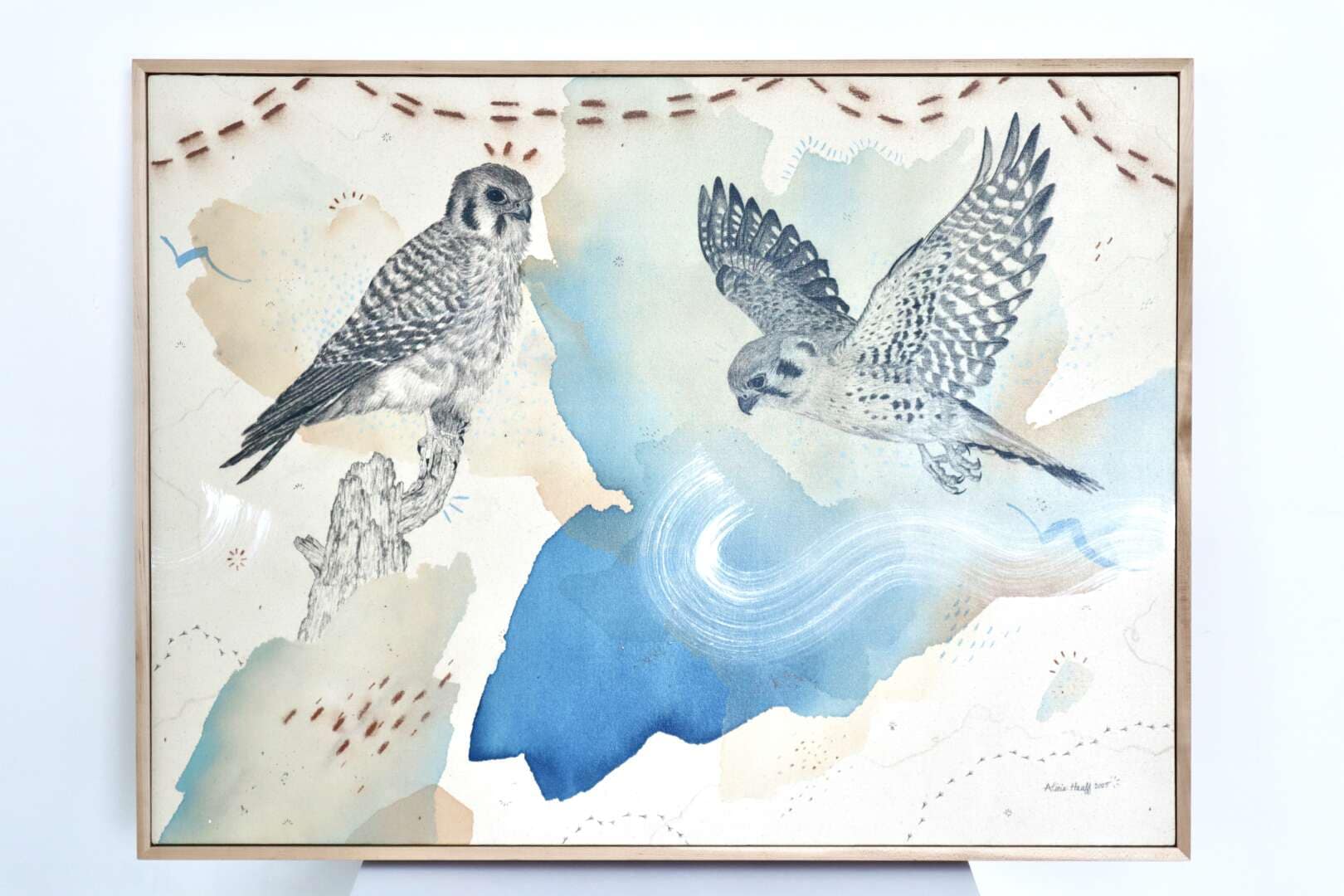
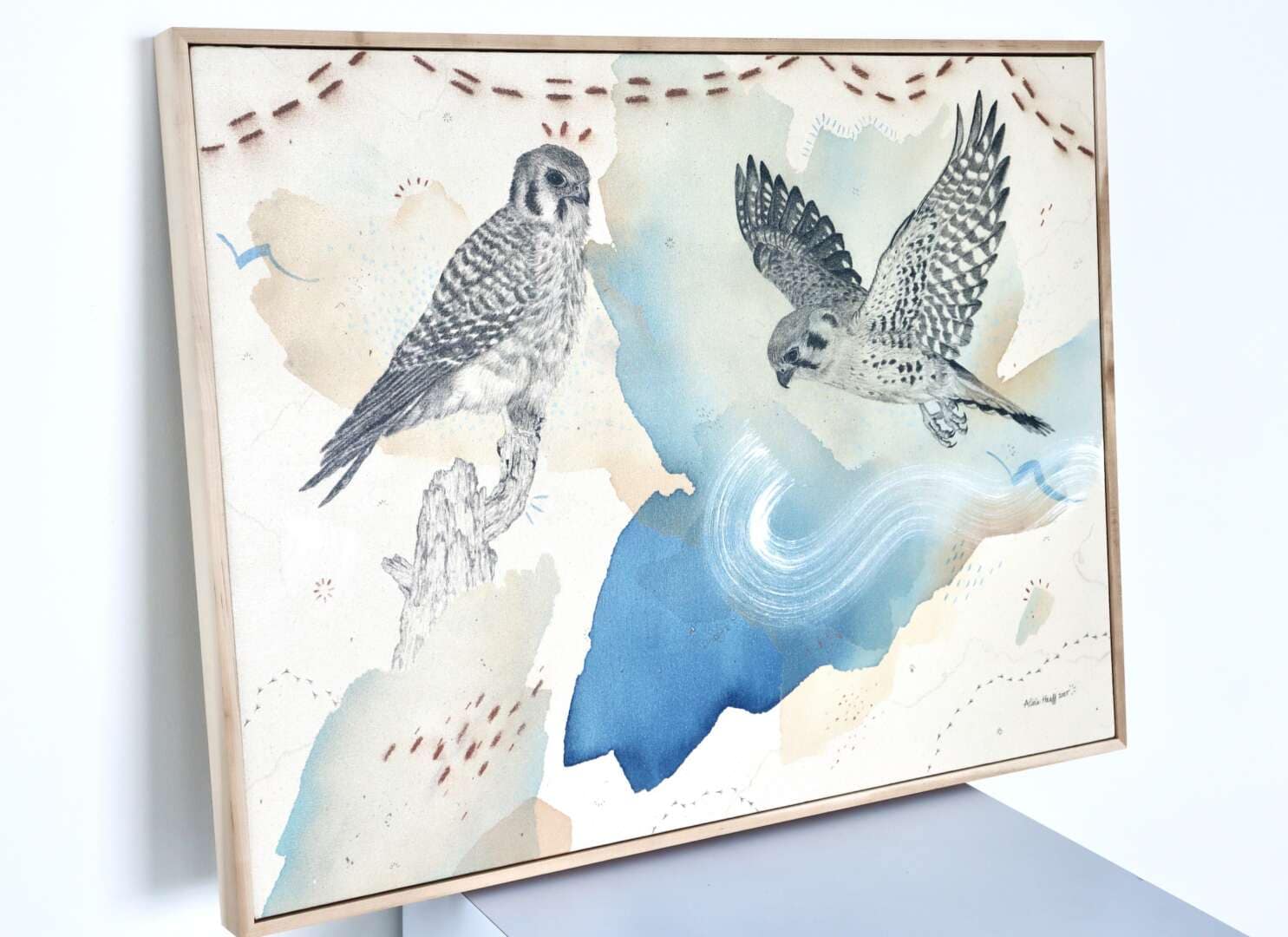
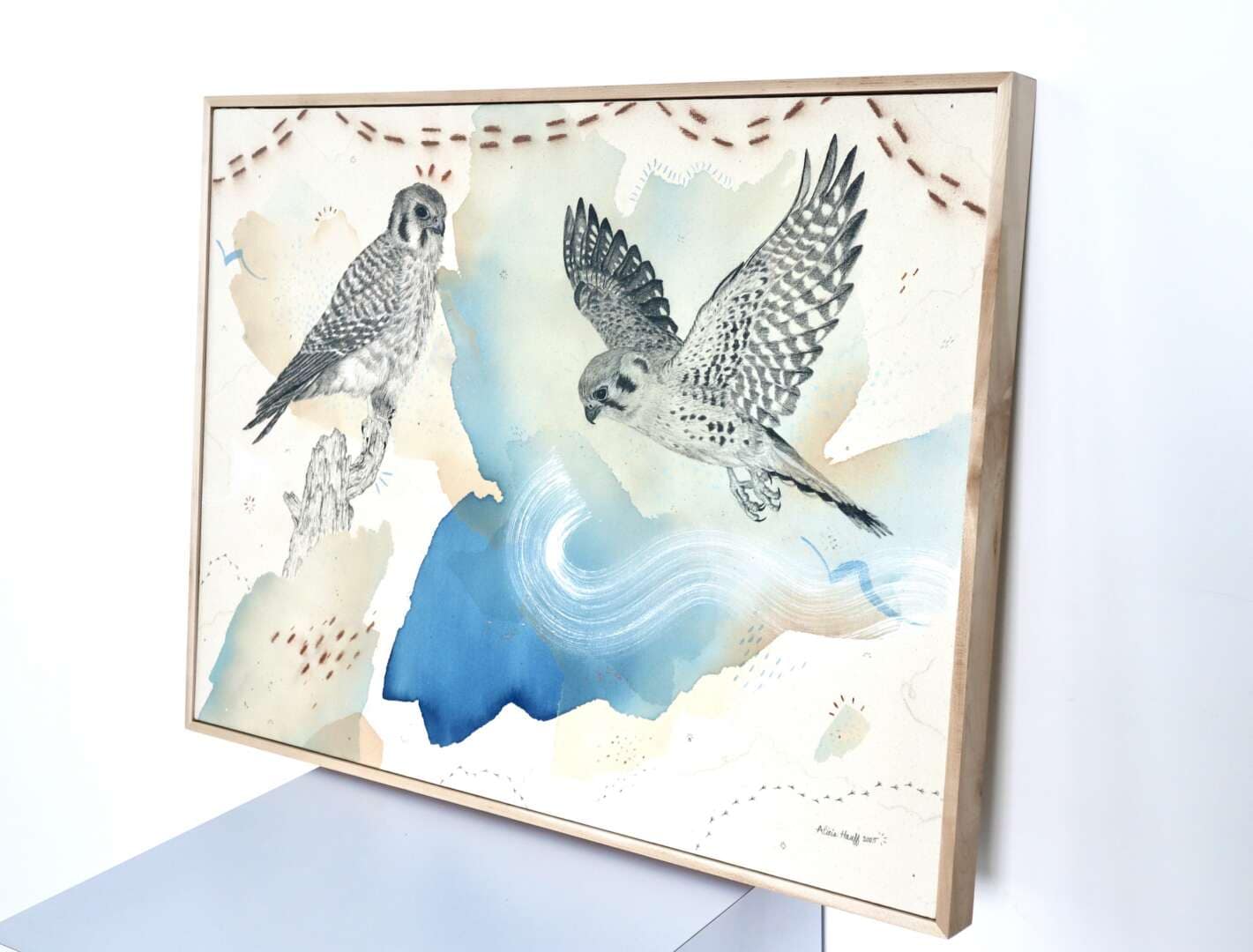
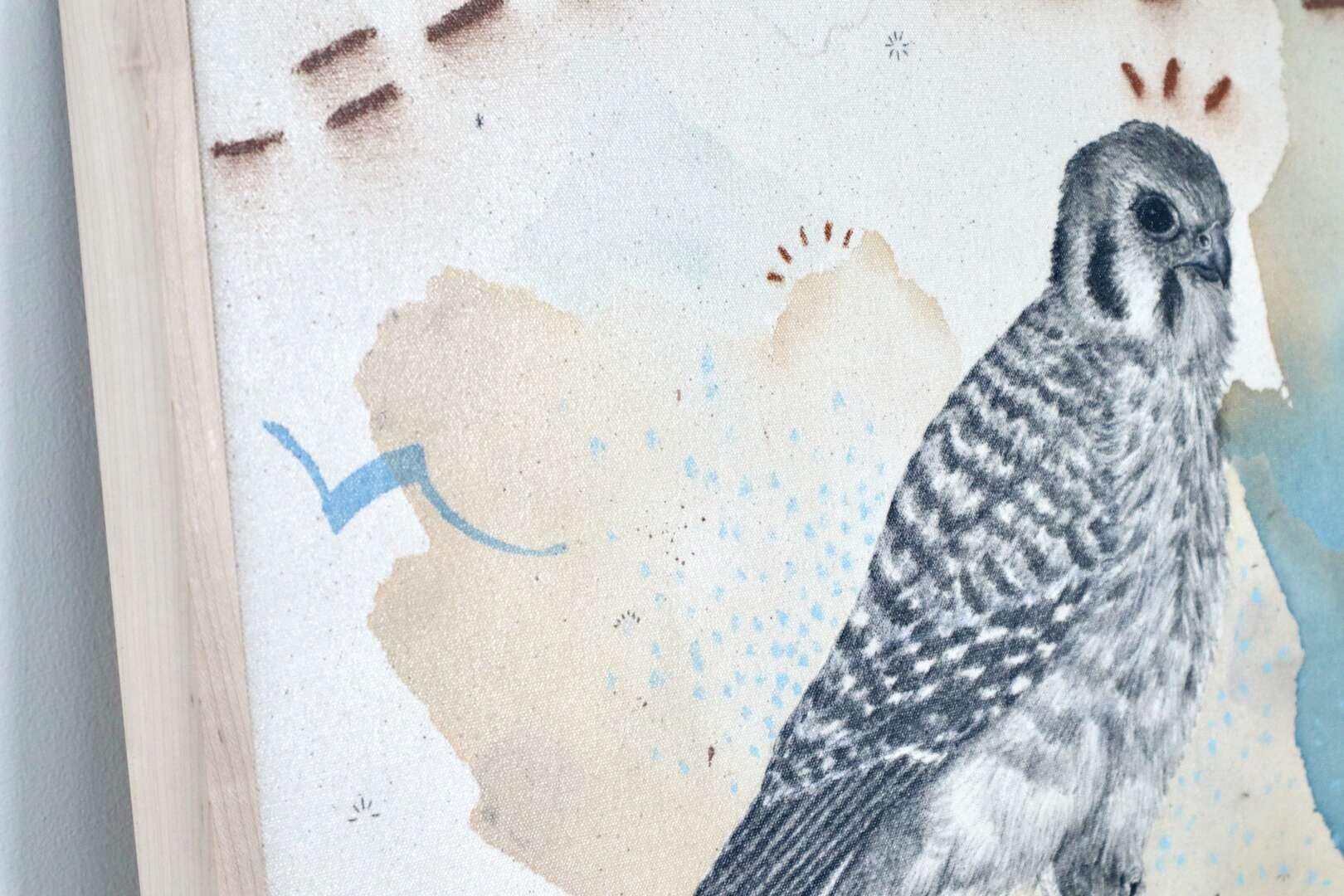
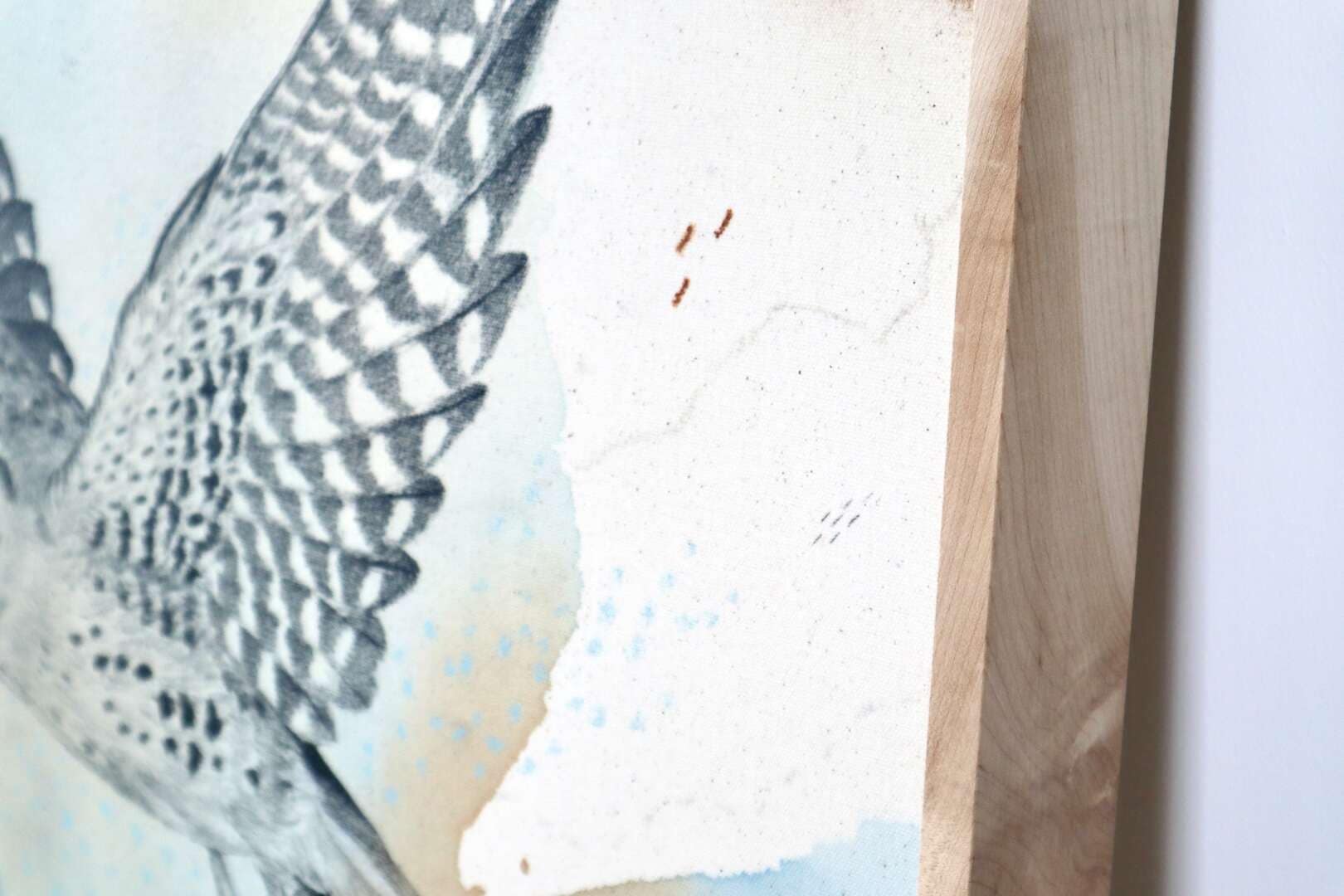
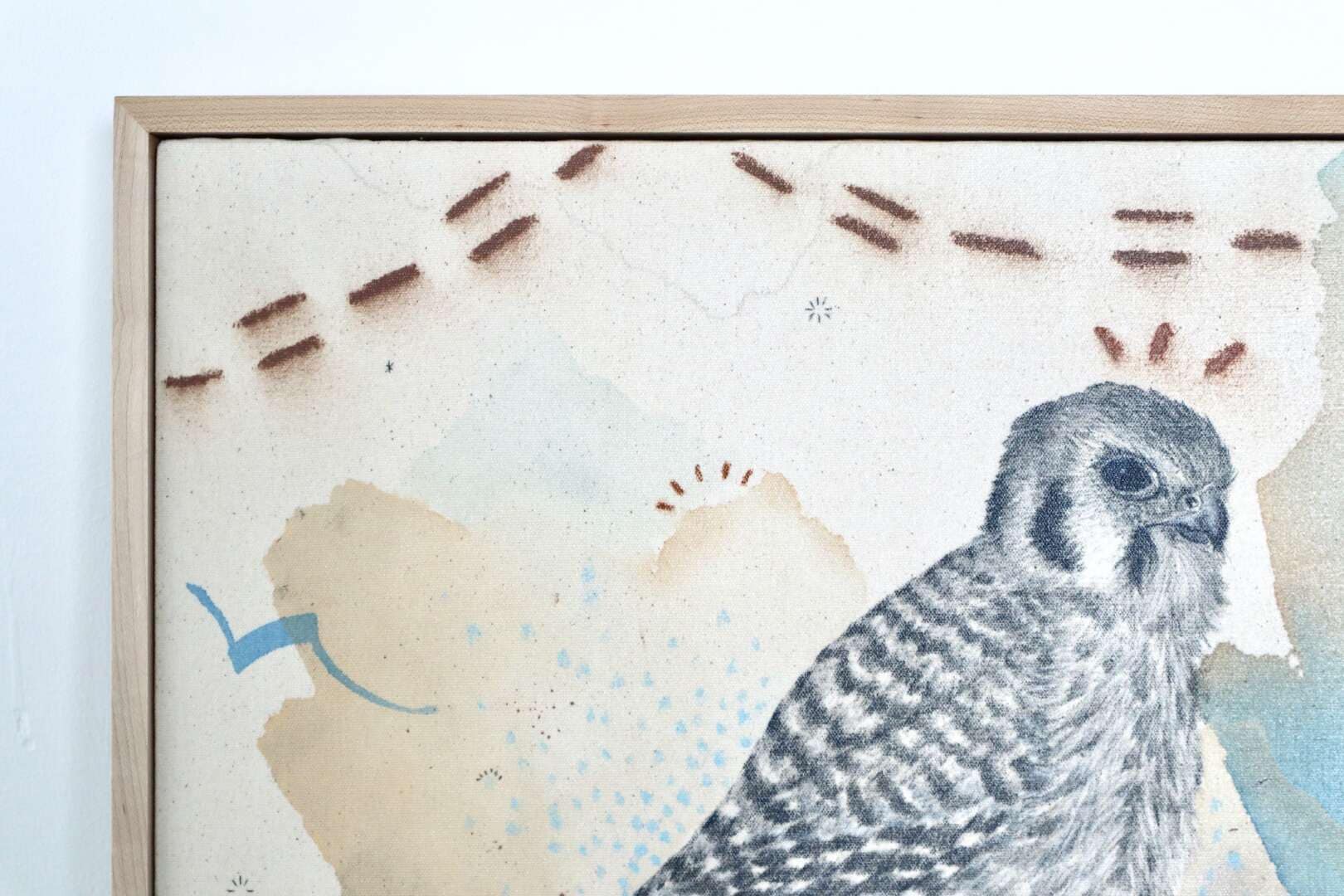
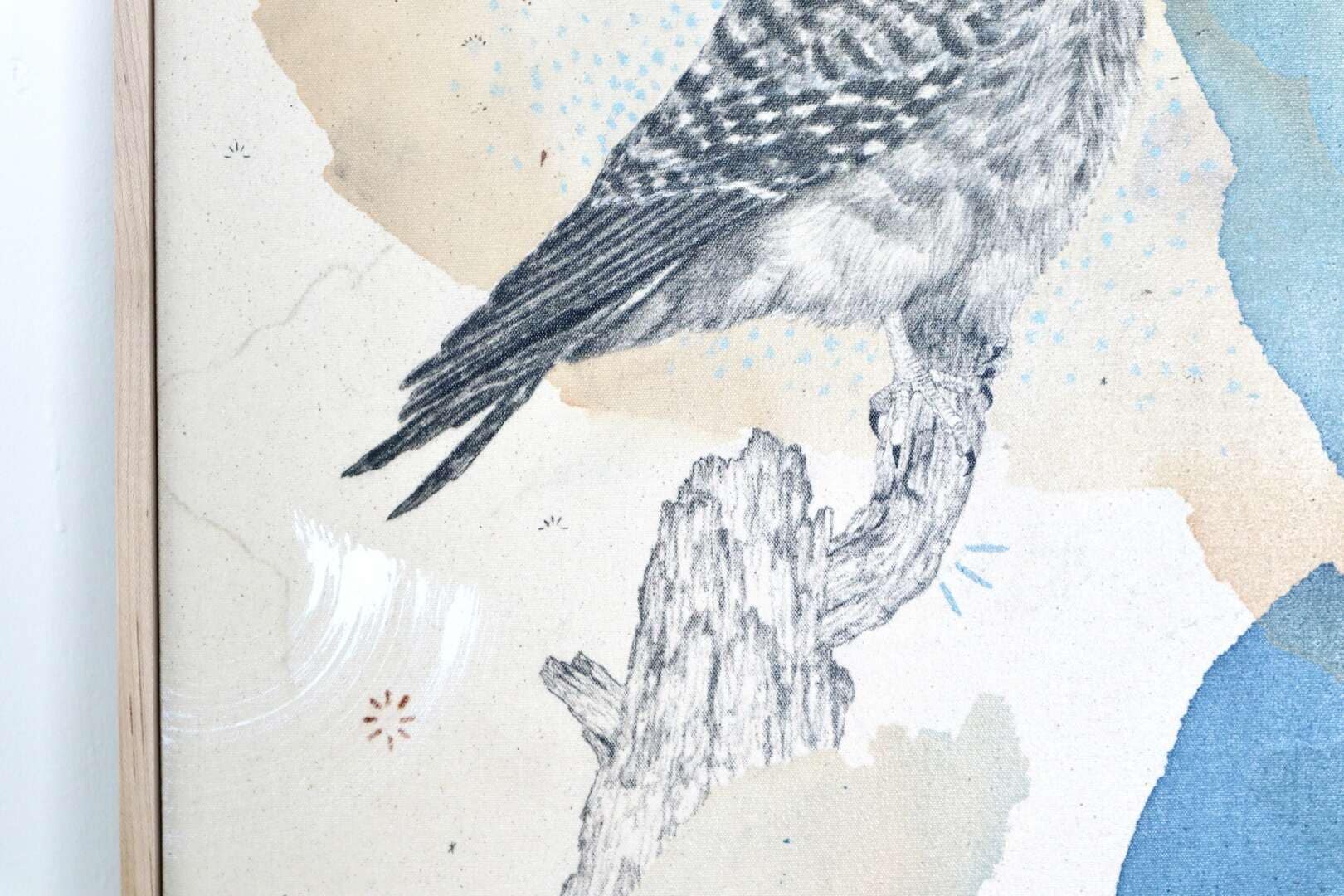

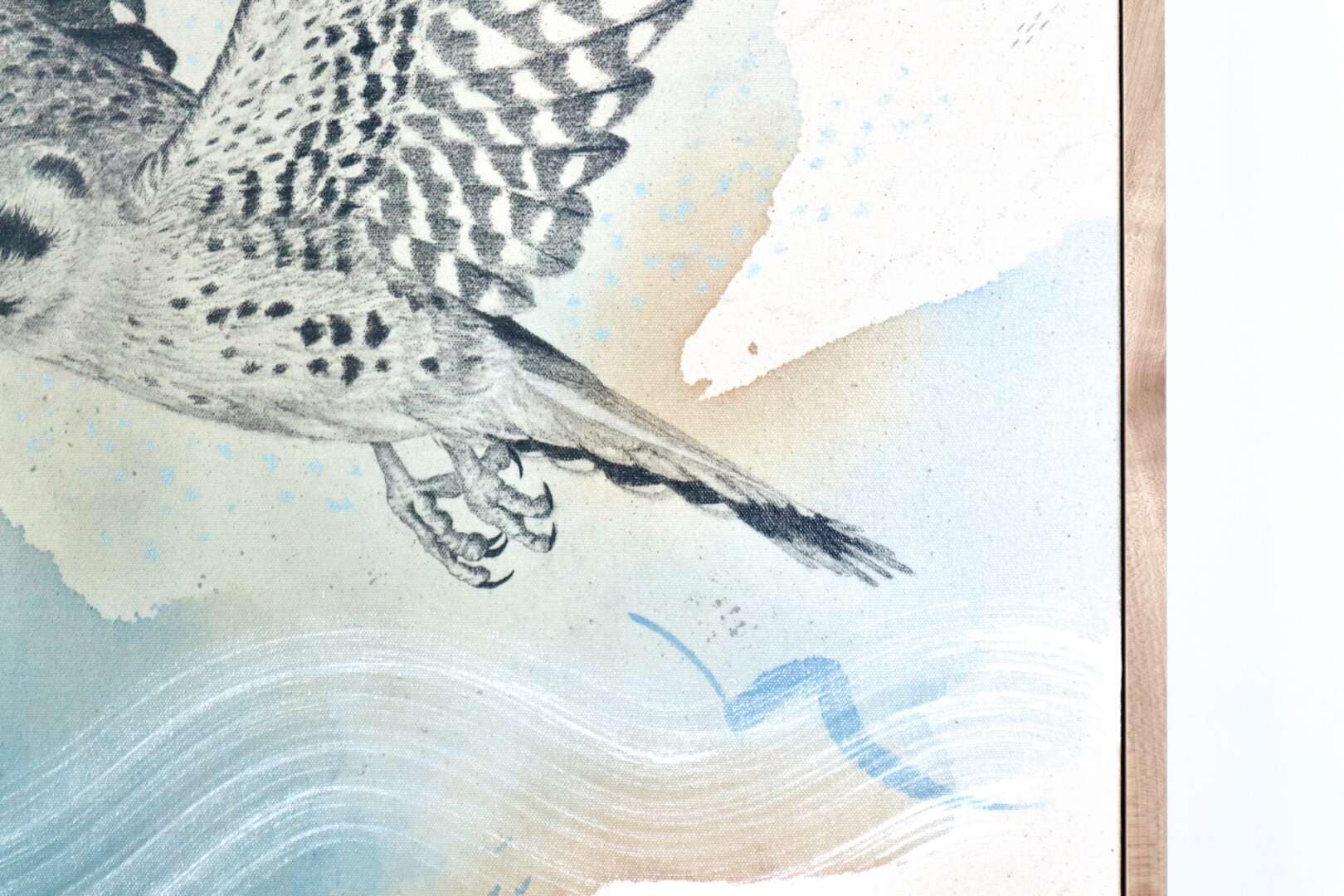
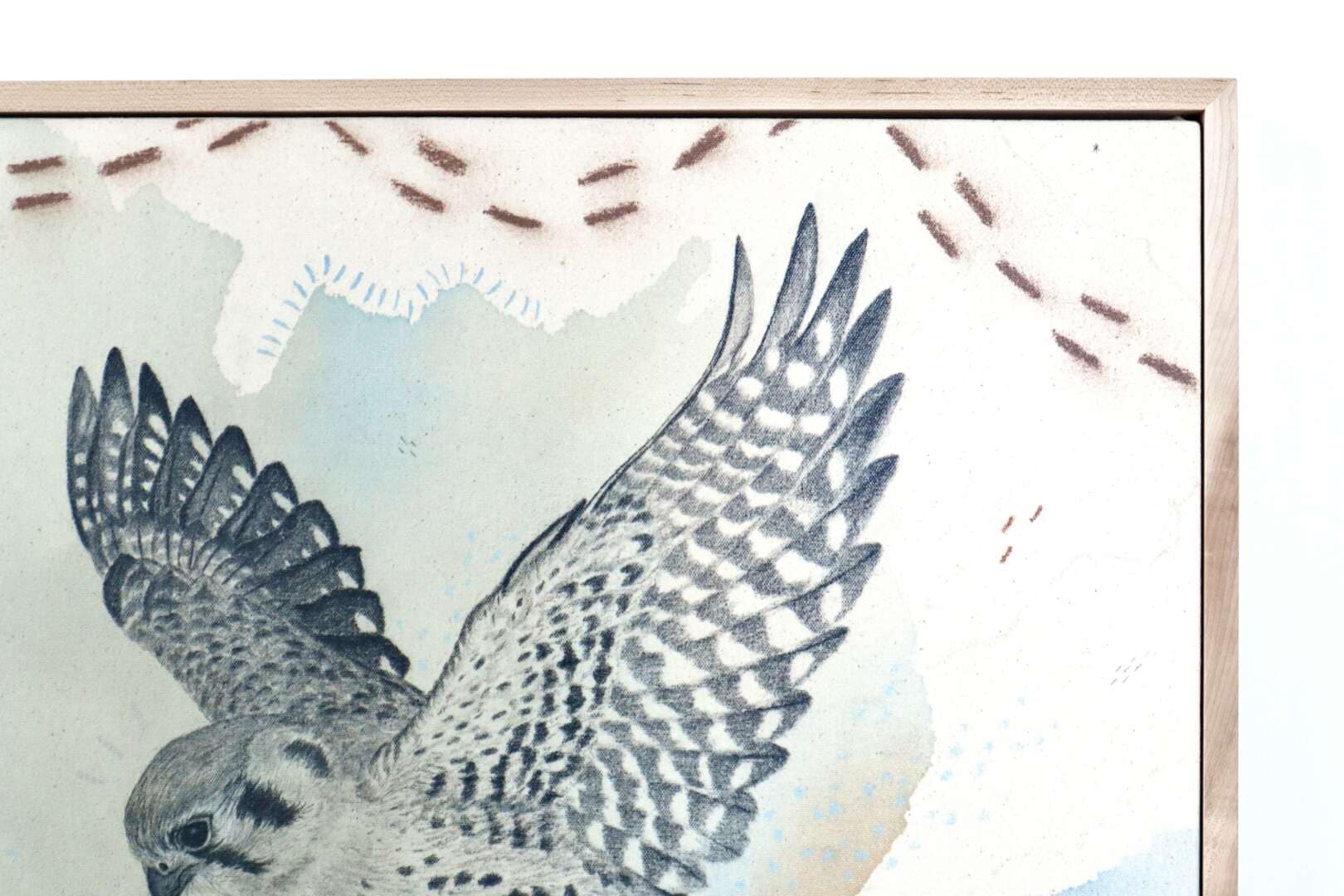
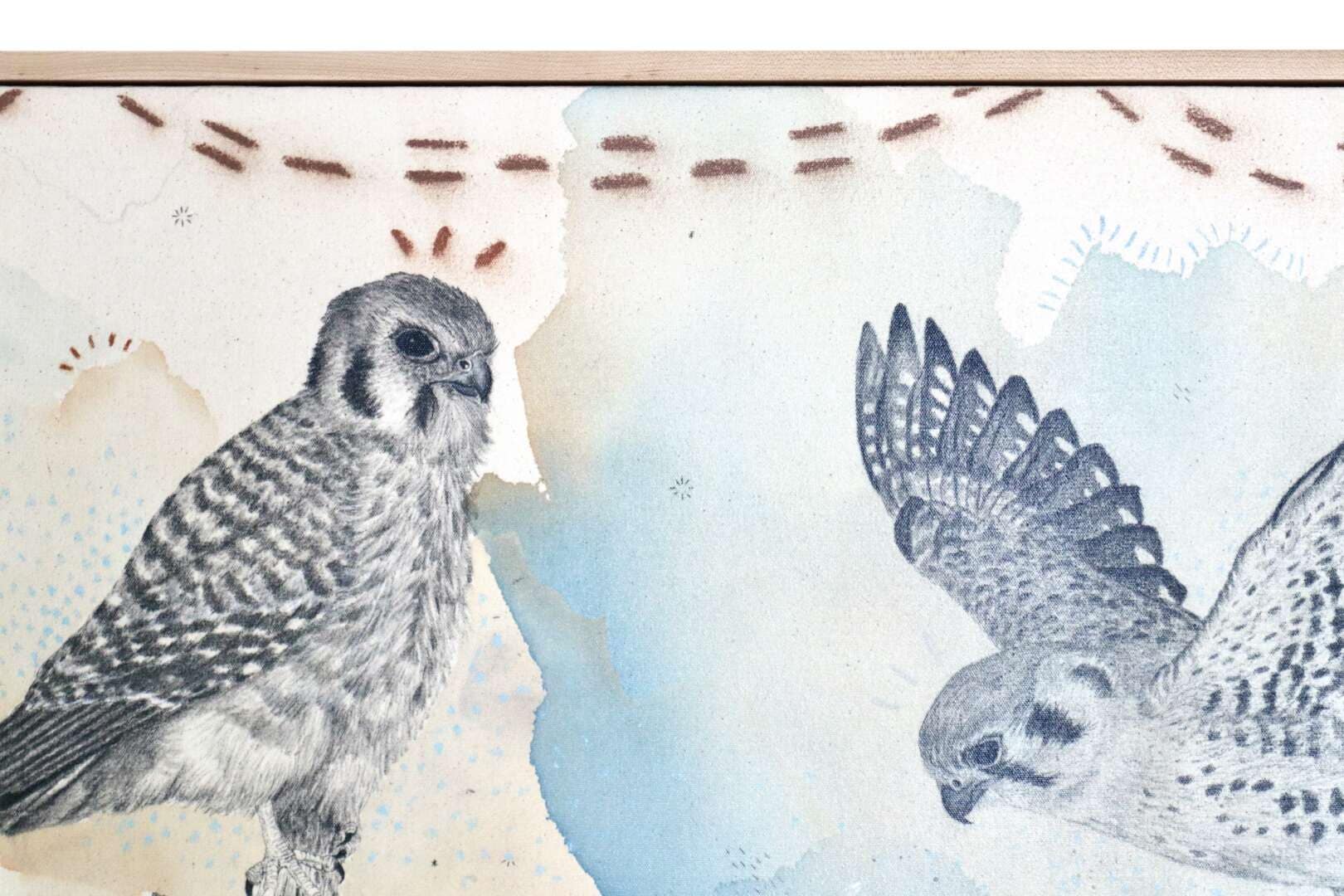
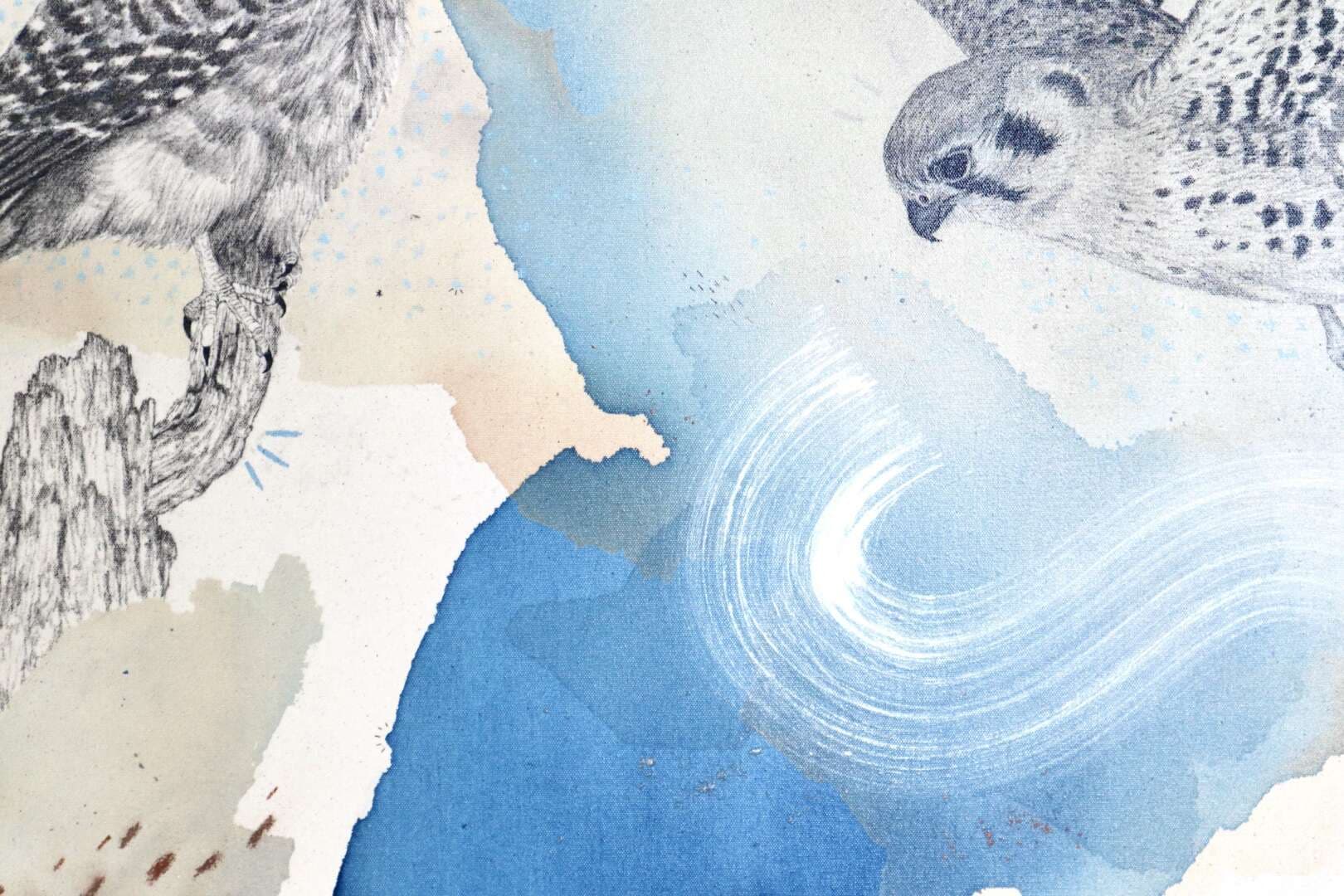
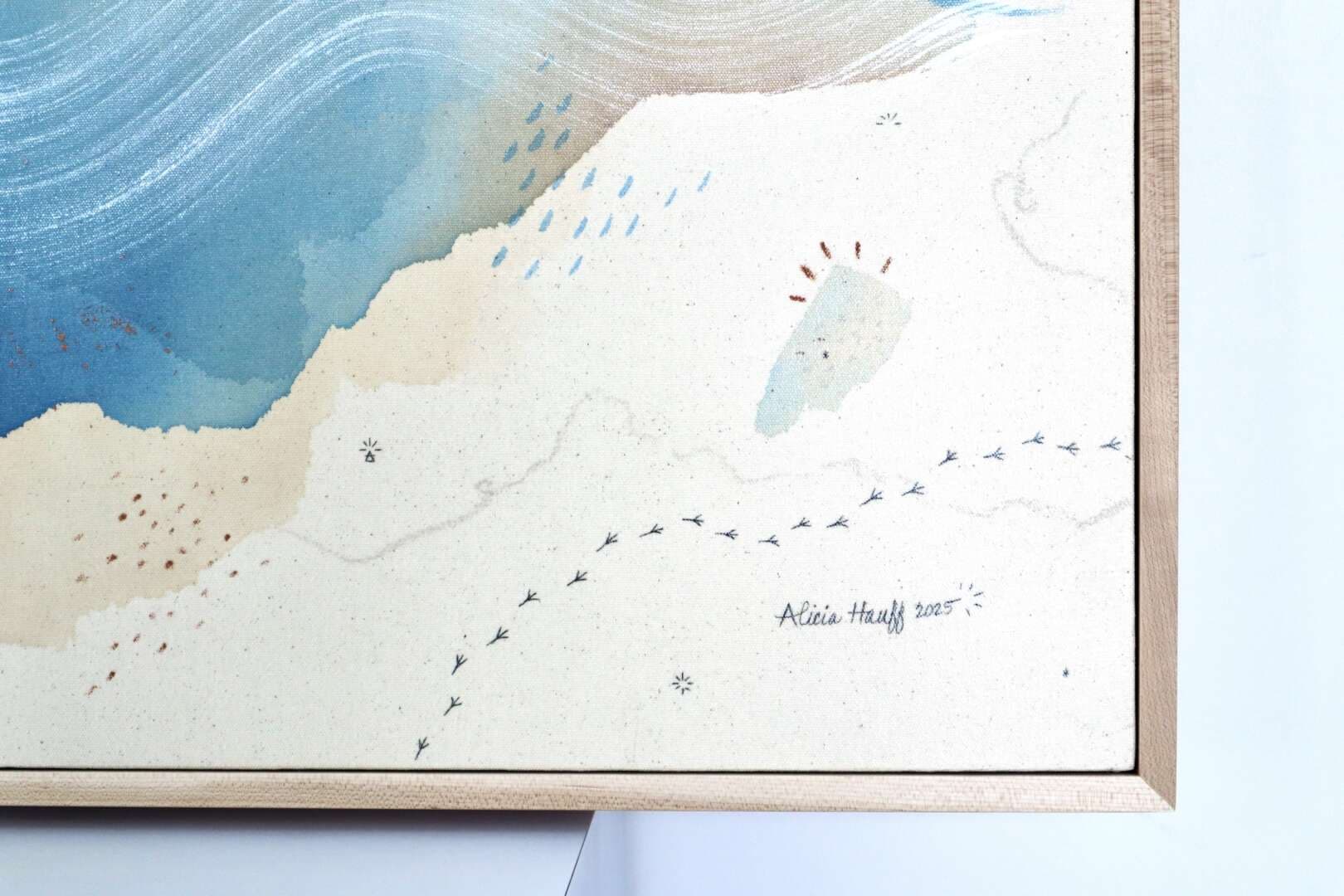
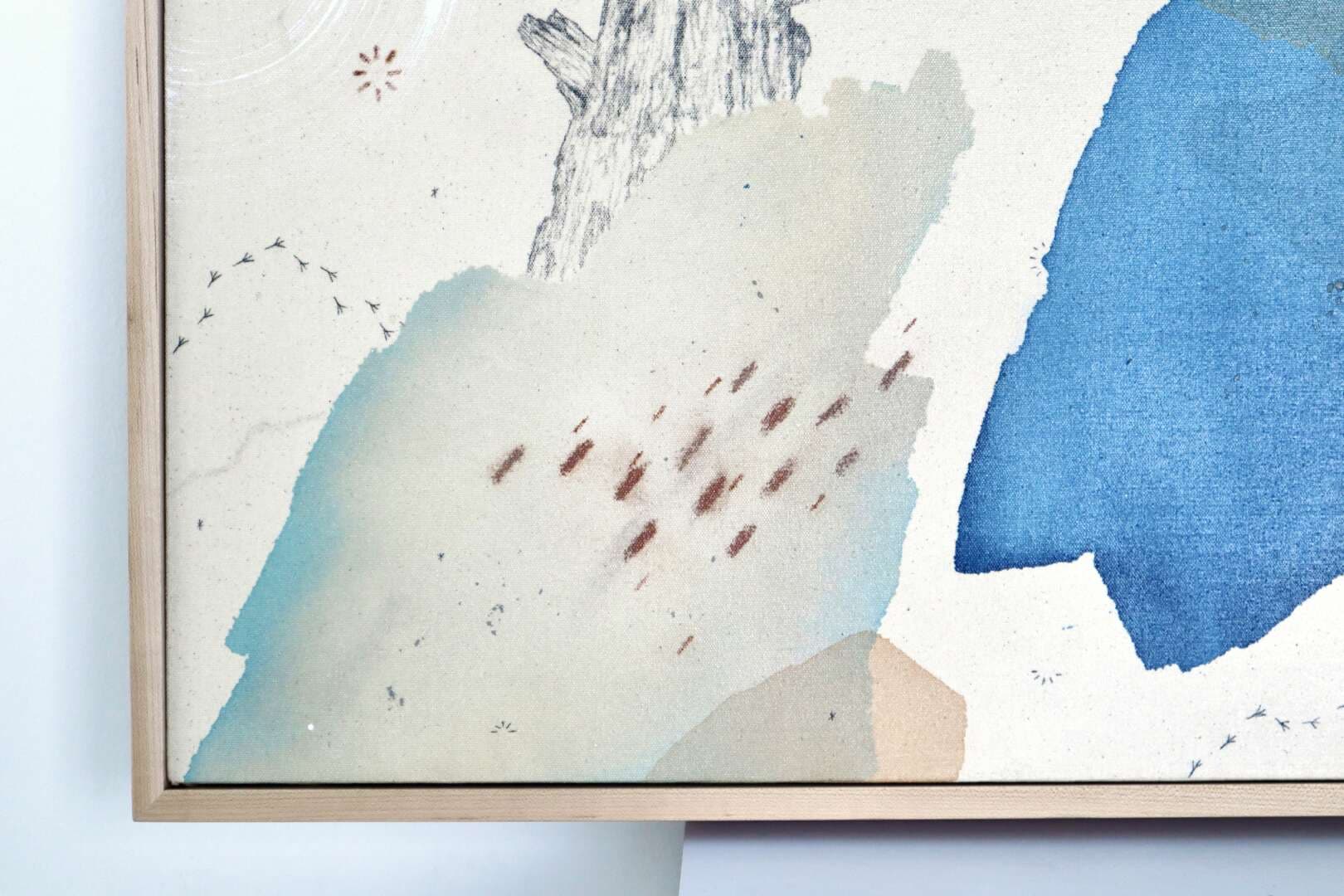
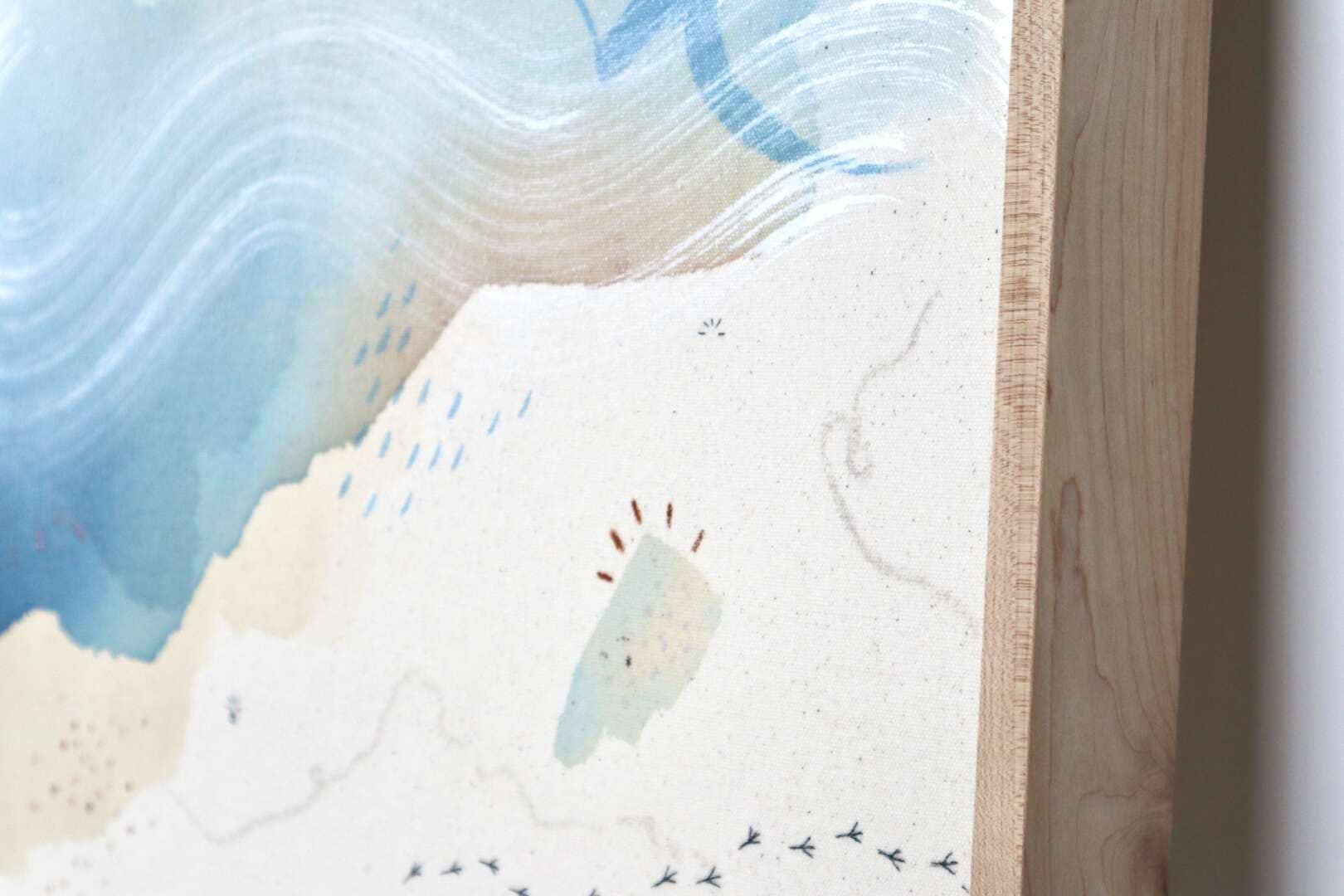
“American Kestrel, Small But Fierce”
$1,920.00
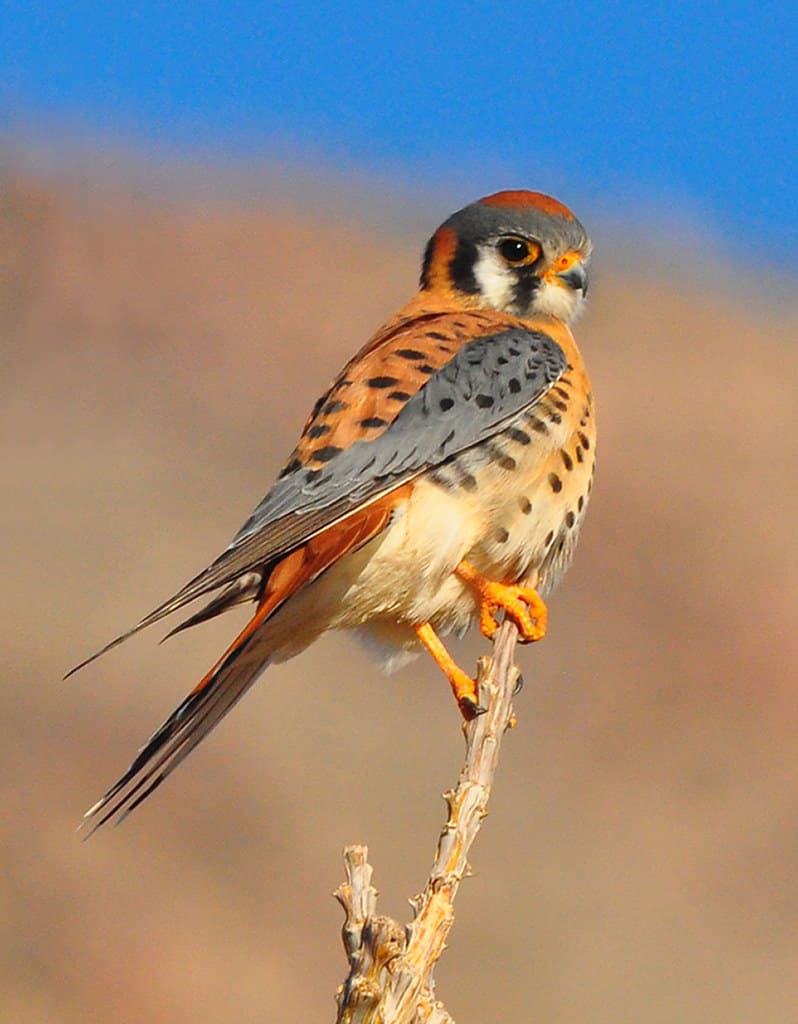
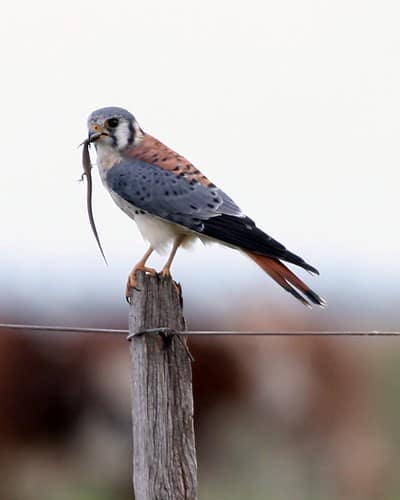
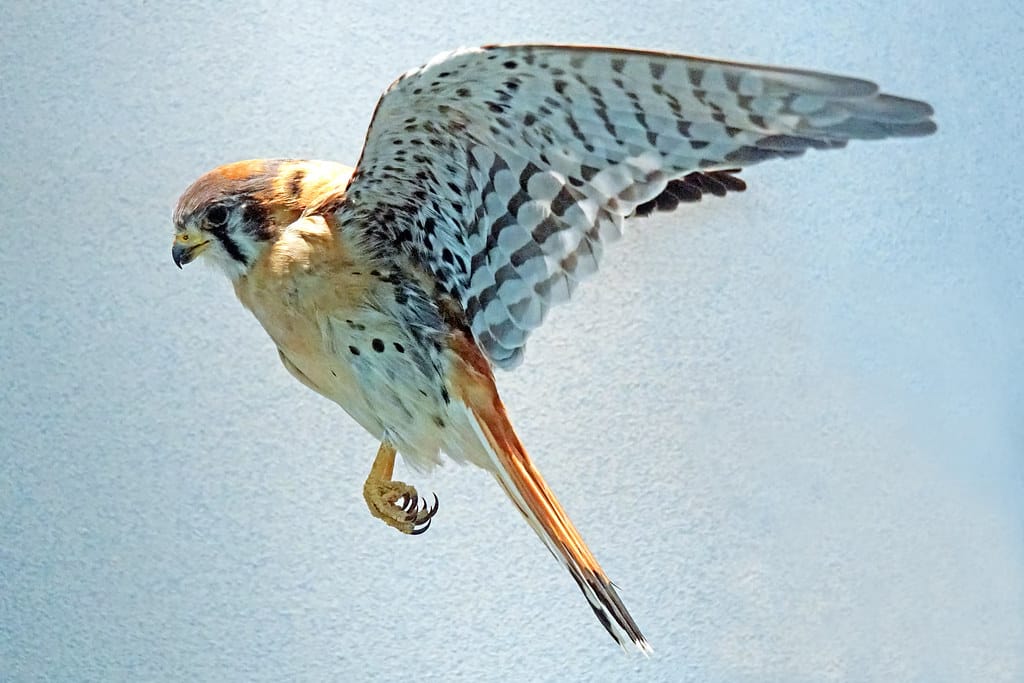
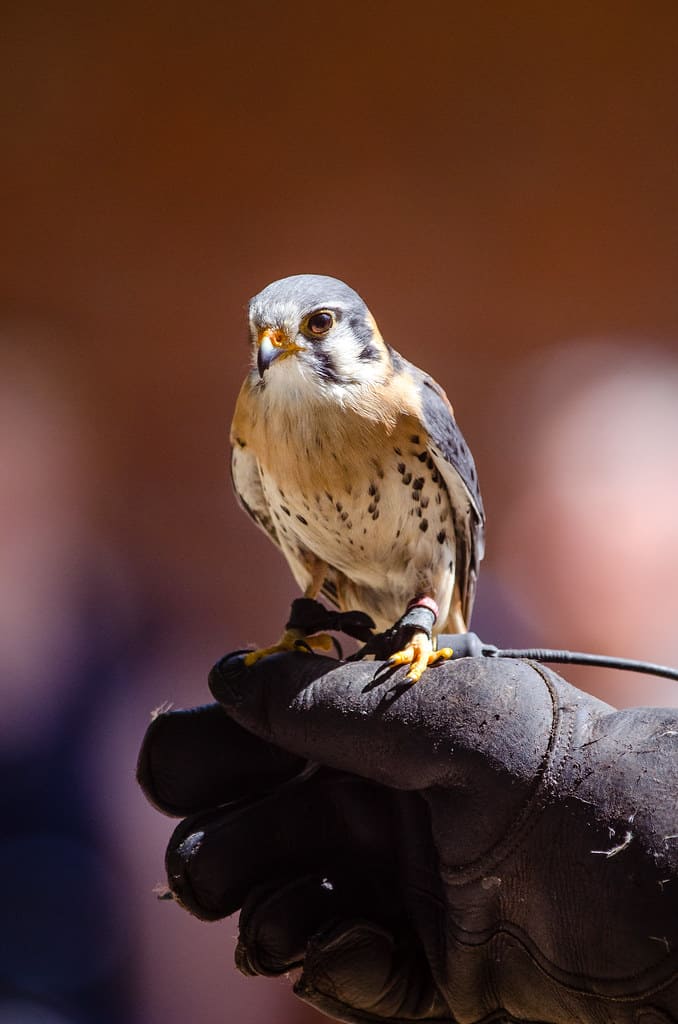
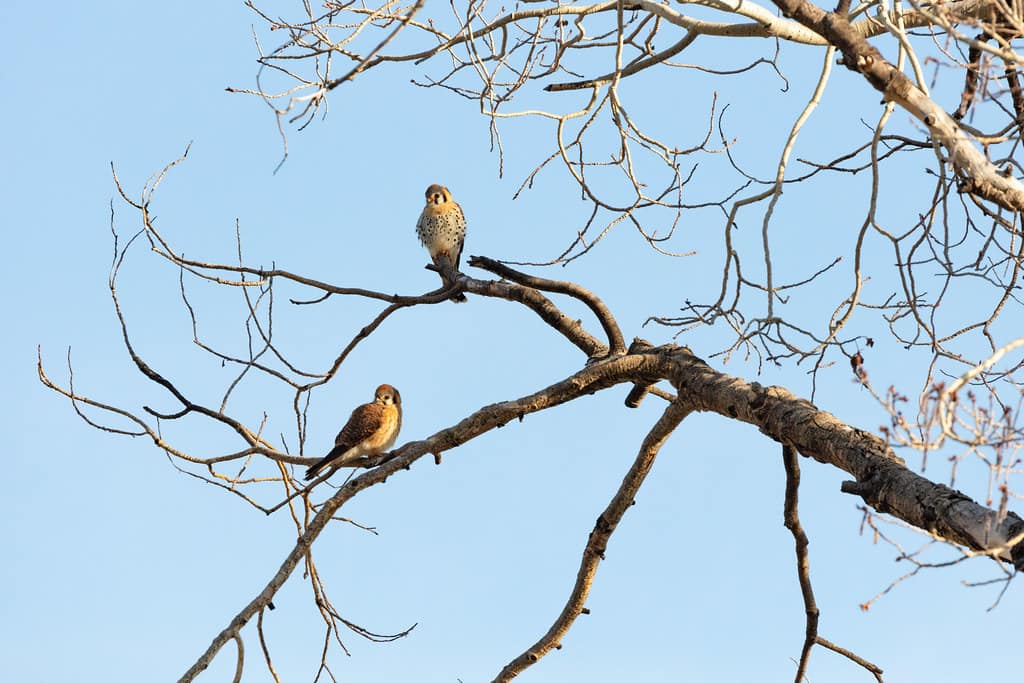
We can take a summer walk around an urban neighborhood (including my own) to meet these birds: the American Kestrels. They are the smallest of the North American falcons, but they are fierce! They are also one of the most colorful of all raptors: the male’s slate-blue head and wings contrast elegantly with his rusty-red back and tail; the female has the same warm reddish on her wings, back, and tail. Hunting for insects and other small prey in open territory, kestrels perch on wires or poles, or hover facing into the wind, flapping and adjusting their long tails to stay in place. Scan fence posts, utility lines, and telephone poles, particularly when driving through farmland. Or, you may just hear their “klee! klee! klee!” and find them overhead or flying by.
Fast facts:
- Sports fans in some cities get an extra show during night games: kestrels perching on light standards or foul poles, tracking moths and other insects in the powerful stadium light beams and catching these snacks on the wing. Some of their hunting flights have even made it onto TV sports coverage.
- It can be tough being one of the smallest birds of prey. Despite their fierce lifestyle, American Kestrels end up as prey for larger birds such as American Goshawks, Red-tailed Hawks, Barn Owls, American Crows, and Sharp-shinned and Cooper’s Hawks, as well as rat snakes, corn snakes, and even fire ants.
- Unlike humans, birds can see ultraviolet light. This enables kestrels to make out the trails of urine that voles, a common prey mammal, leave as they run along the ground. Like neon diner signs, these bright paths may highlight the way to a meal—as has been observed in the Eurasian Kestrel, a close relative.
- Kestrels hide surplus kills in grass clumps, tree roots, bushes, fence posts, tree limbs, and cavities, to save the food for lean times or to hide it from thieves.
- Kestrels can hover in the wind (wind hovering), a technique where they face into the wind and fly at the same speed as the wind, allowing the air moving over their wings to provide the necessary lift to stay stationary over a point on the ground. This method uses the wind’s energy to maintain position, enabling them to scan for prey
Sources: Audubon Society and Cornell Lab of Ornithology
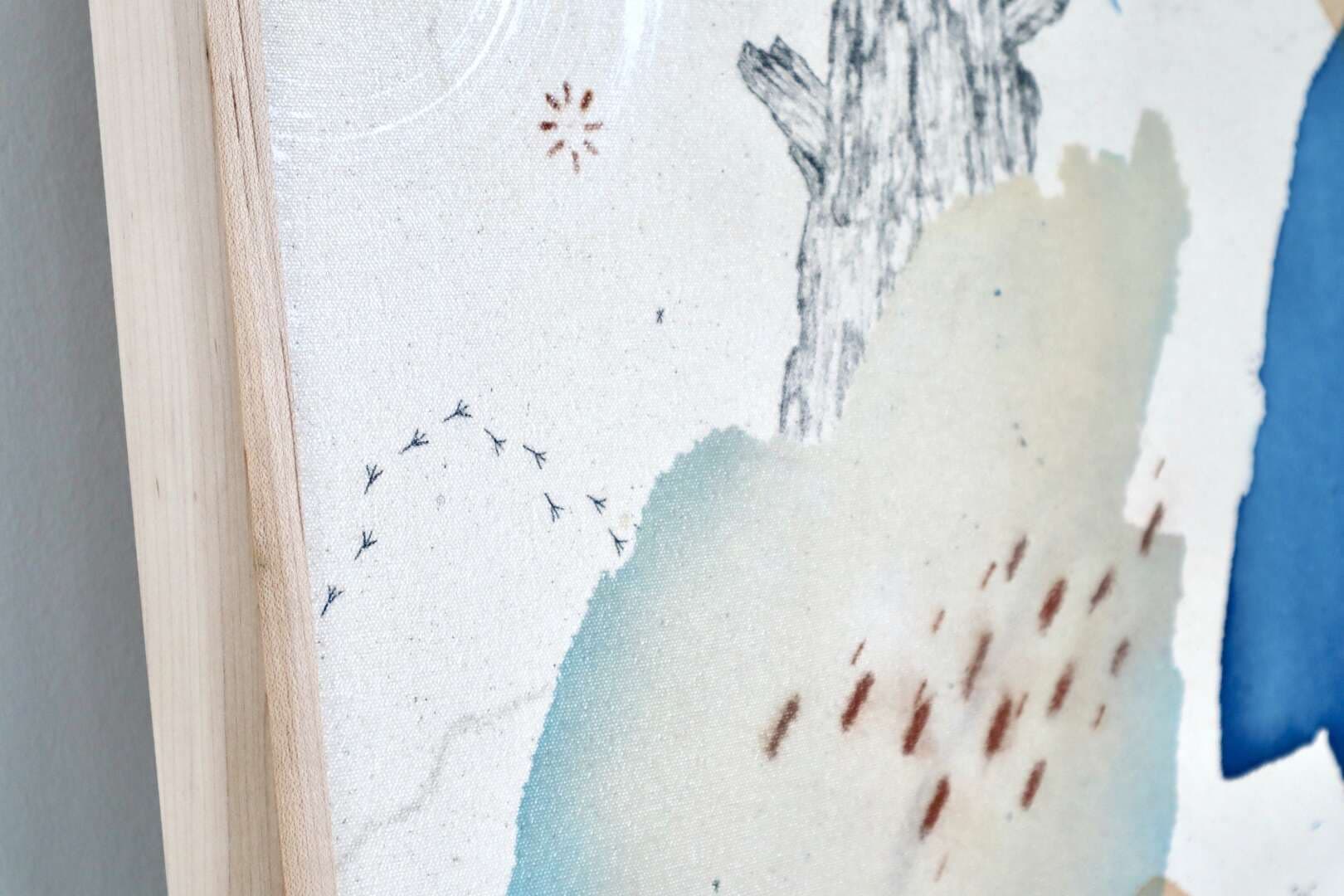
Original mixed media on raw stretched canvas with hard maple float frame.
Alternative hardwood frame available upon request at no extra cost. Email with inquiries.
Frame Details: Framed in hard maple
Framed Size: 31x41x2.5(inches)
View Frame Options Gallery >
We offer hand made custom frames constructed from natural wood of your choice. Click on the photos below to open and preview the frame options.
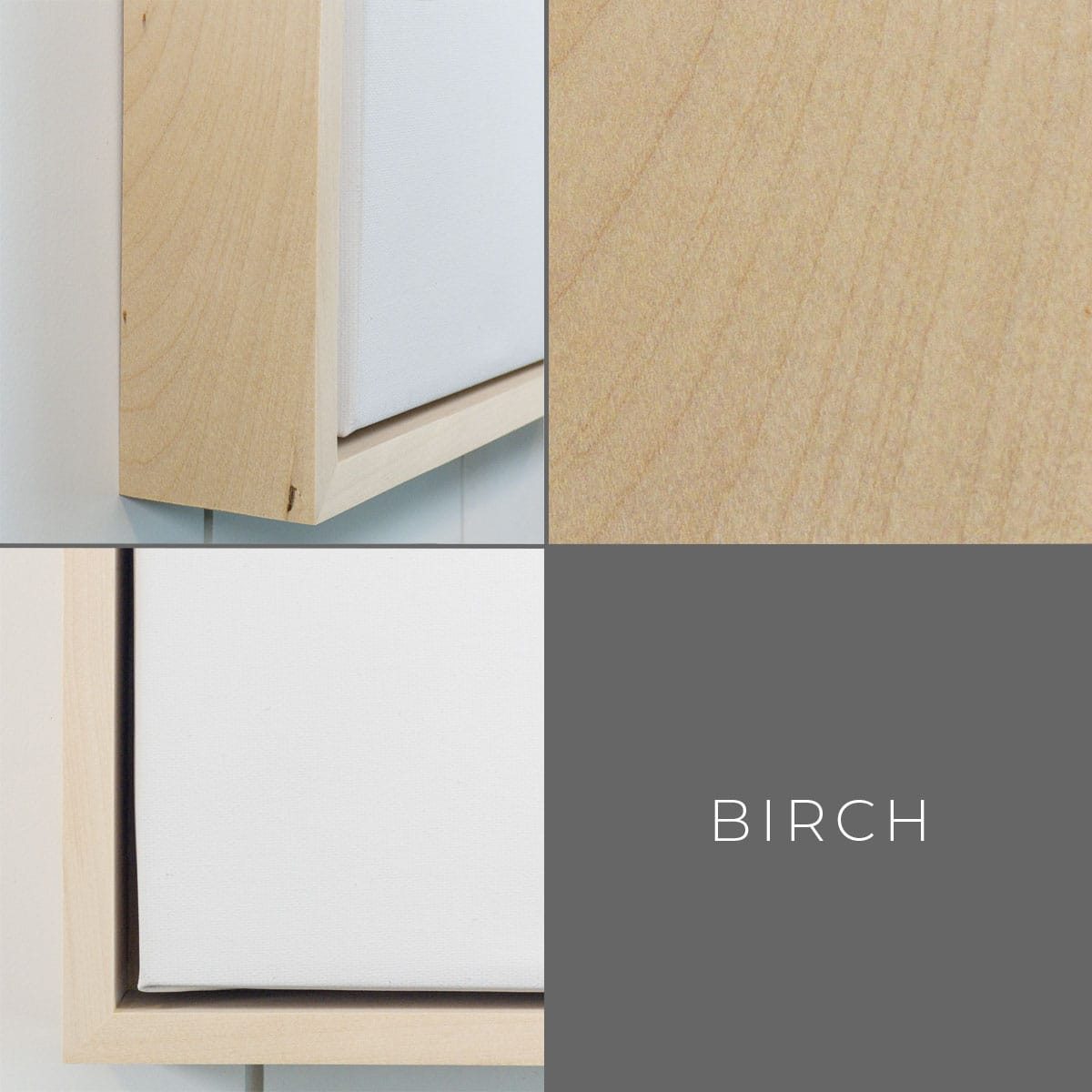
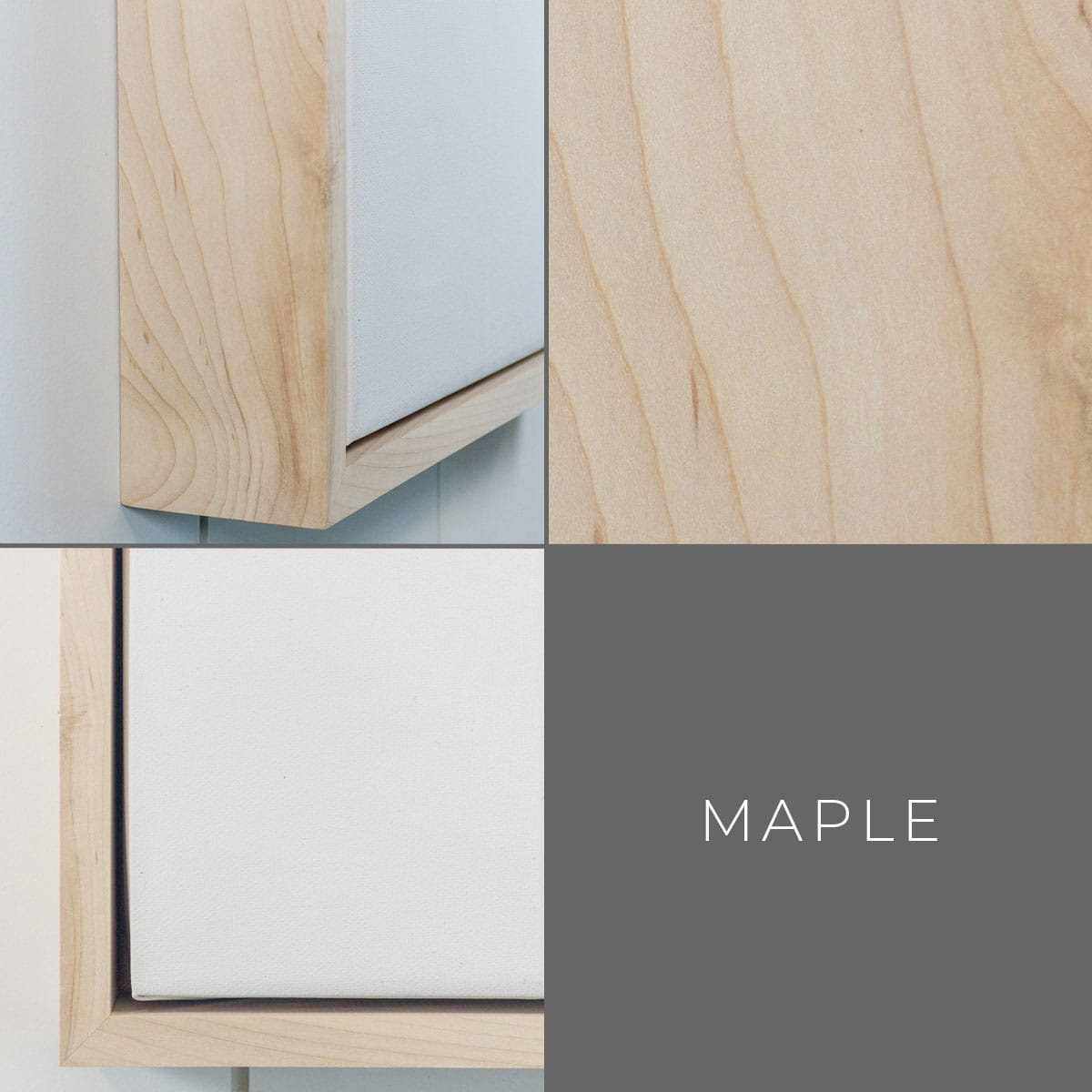

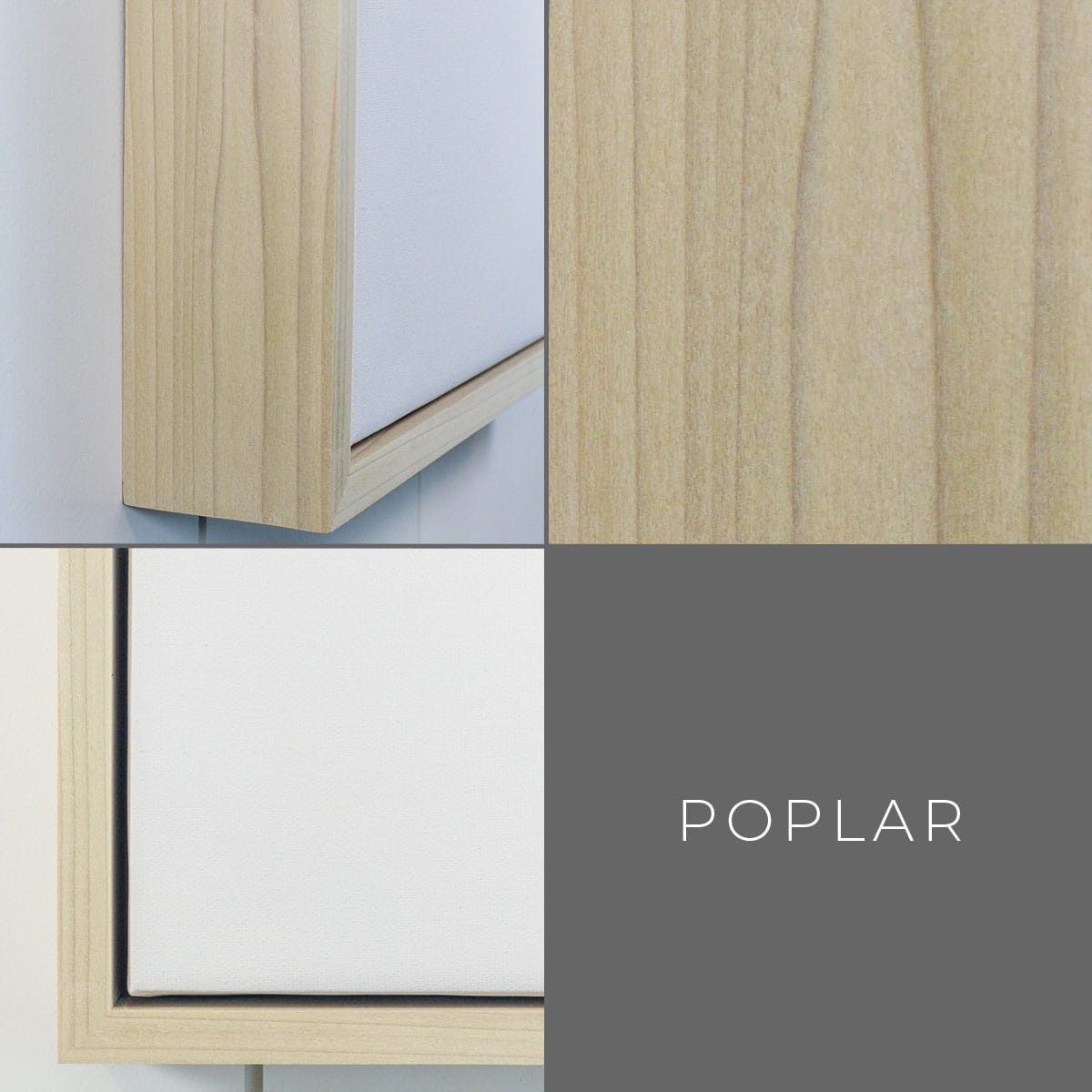
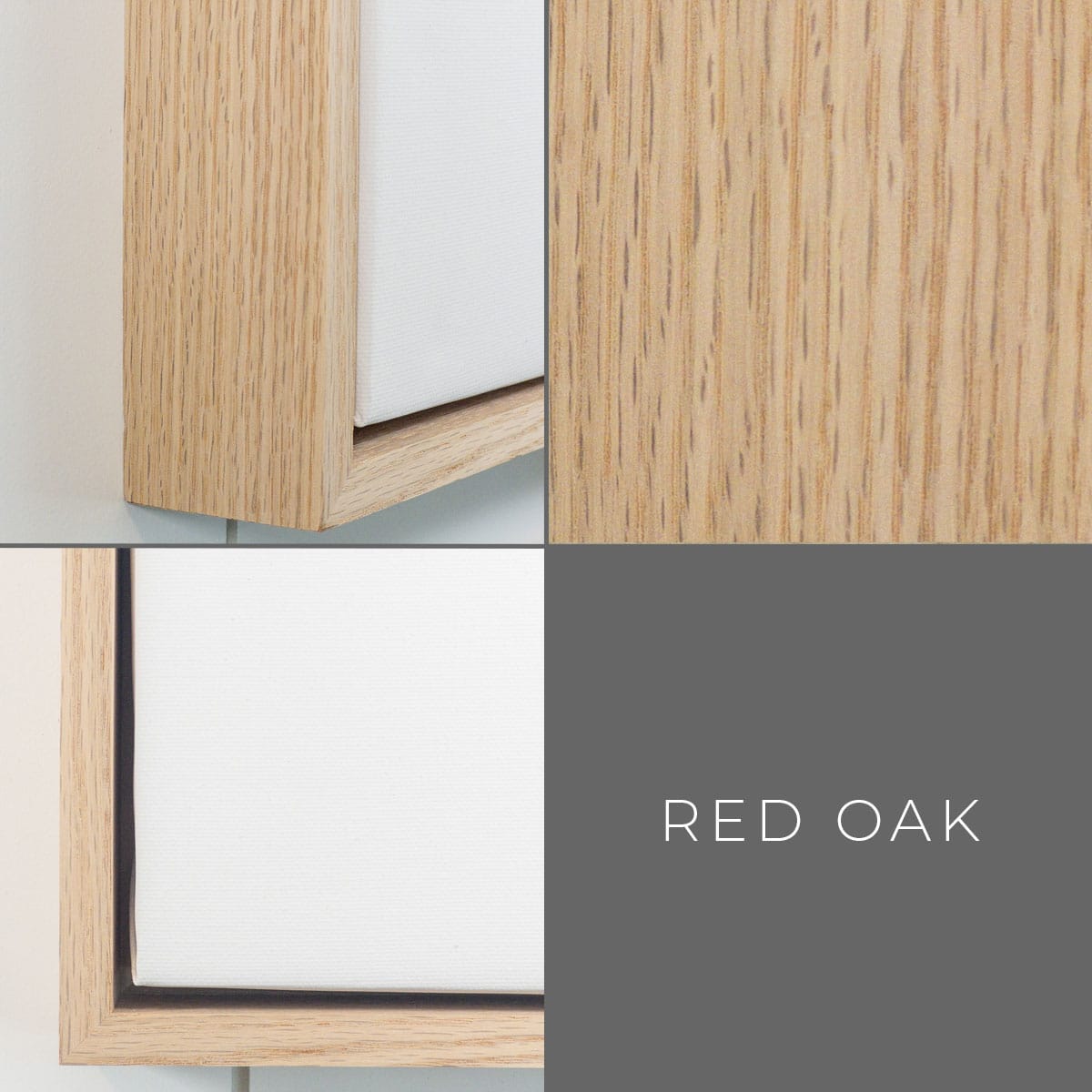
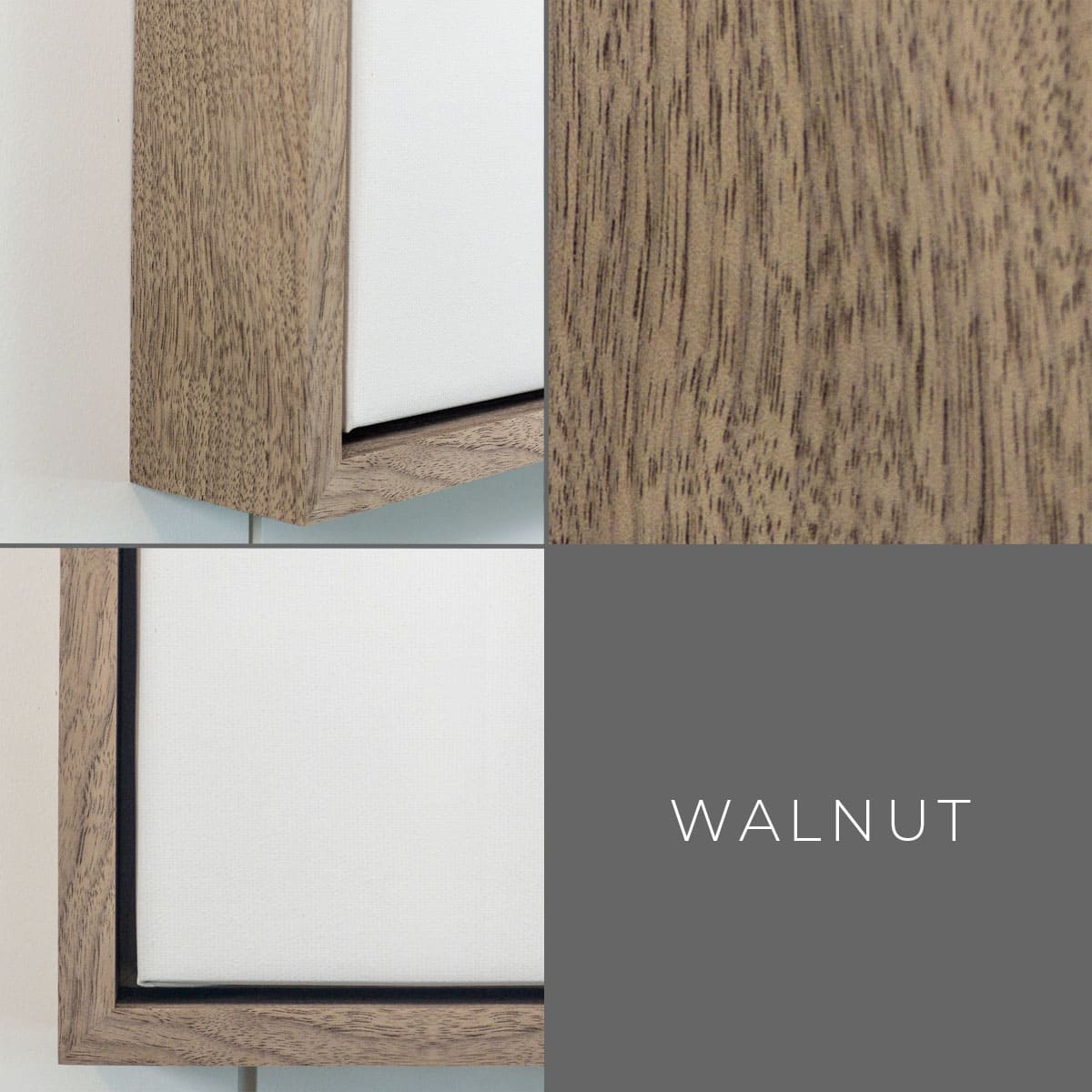
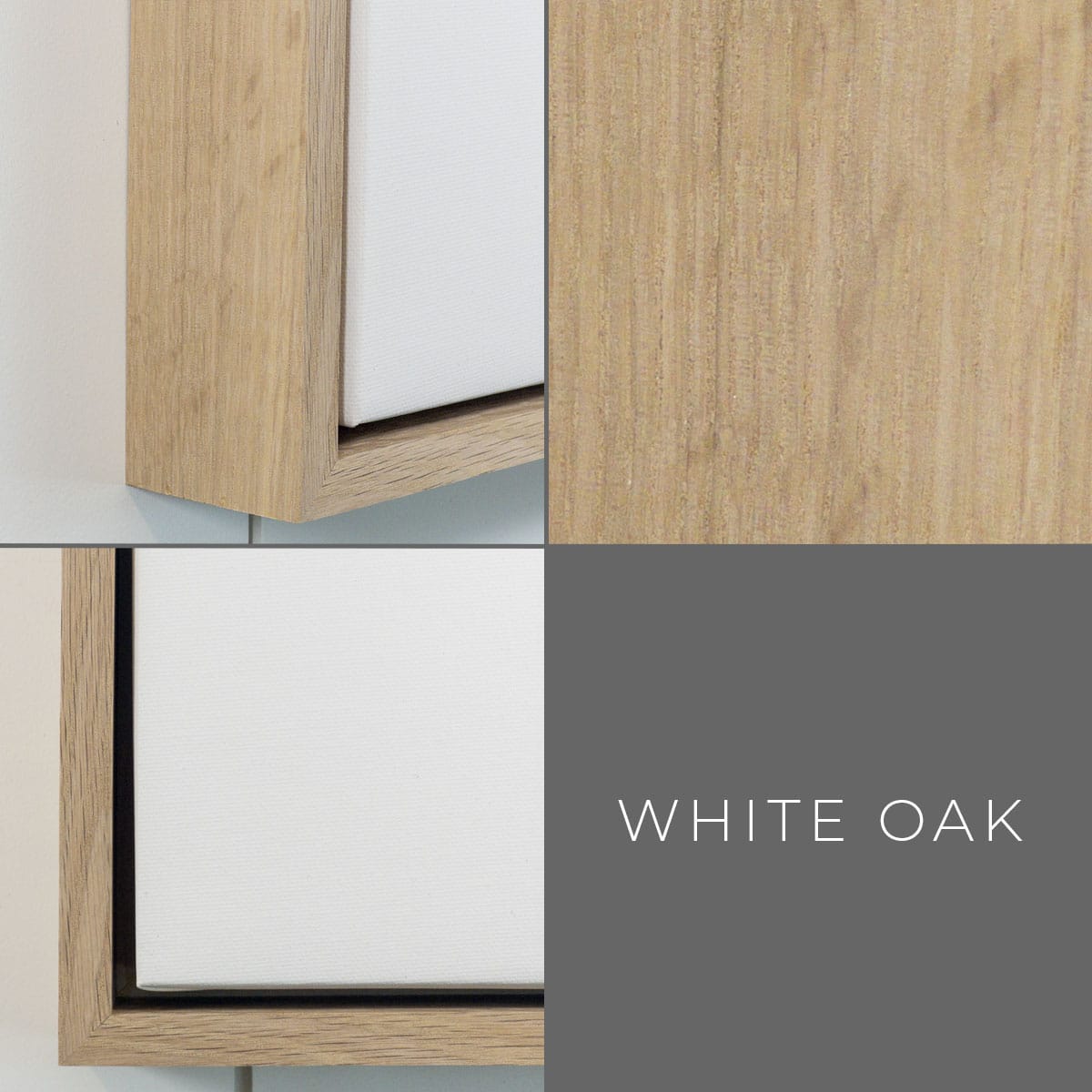
All orders will be shipped in 3-10 business days via USPS Priority mail, UPS or FedEx, depending on the size of the item and whether framing was desired. For medium to larger works, and if crating is needed to safely ship, it will be UPS or FedEX. USPS can ship larger works but it is a lot more expensive!
If I anticipate framing will take longer for any reason, I will reach out and let you know! You will receive a tracking number via email once the work has shipped.
If you are in the Fargo-Moorhead area and wish to pick it up, please select STUDIOPICKUP at checkout. I will have a table in the front lobby with your piece labeled for pick-up between the hours of 8 AM and 5 PM. I will always try to say hello if I am in the studio!
Thank you for supporting a small business!
Shop My Artwork


Footer